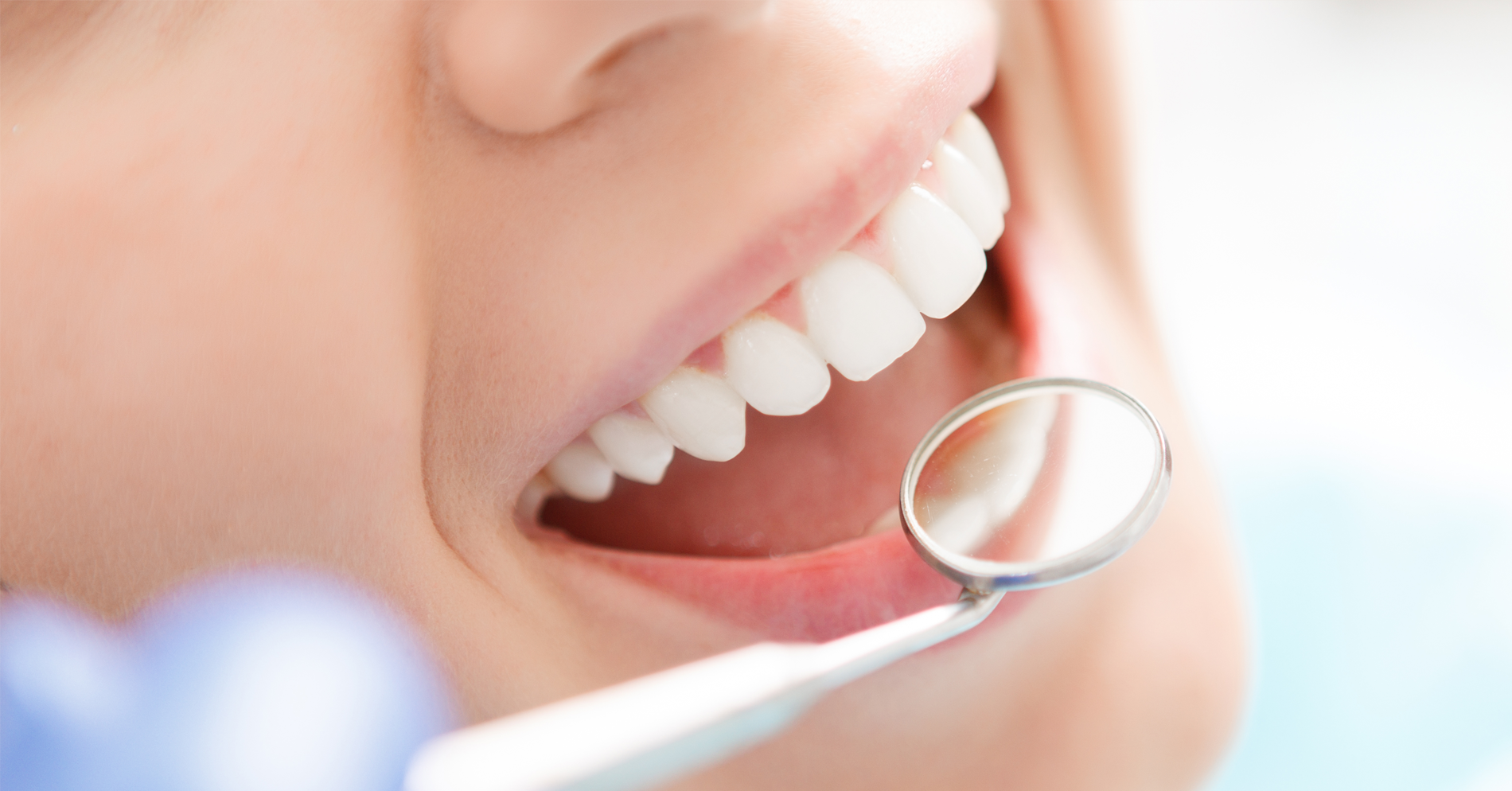

oral health

How is Oral Health Related to the Overall Health of the Body?

Taking care of one's teeth and gums is essential for more than having a perfect smile. It's also crucial for one's physical health. The state of one's mouth may dramatically affect the well-being of one's whole body, and vice versa for several systemic illnesses. To better understand the mouth-body link and the particular health aspects influenced by dental health, we shall delve further into this topic throughout this blog.

What's the Mouth-Body Connection?

A person's mouth is an entryway to major organs of the body, and the condition of the oral cavity has extensive implications for your general health. Not caring for your teeth and gums increases the risk of developing gum disease (periodontitis) and other dental illnesses. Inflammation throughout the body is linked to such dental concerns, which indicates a wide range of chronic diseases. It's also possible for oral bacteria to travel to other regions of the body through the circulatory system, where they may cause illnesses and irritation.

What factors contribute to poor oral health?

1. Diabetes

Diabetes and dental health are linked in both directions. Gum disease is more common among people with diabetes because of their weakened immune systems and inability to effectively regulate the sugar in their blood levels. On the other hand, untreated gum disease may increase the difficulty of controlling blood sugar levels, hurting the health of those with diabetes. Better glycemic control and fewer diabetes-related problems are possible when people with diabetes practice good dental hygiene.

2. Psychiatric Health

The condition of one's teeth and gums may have a significant impact on one's psychological as well as physical health. Social isolation, low self-esteem, and shame may result from issues related to oral health, such as tooth loss, painful gums, or worries about how one's smile looks. Researchers have observed links between gum disease and higher stress, sadness, and lower standards of life. If you take care of your teeth and gums by visiting a dentist in Mckinney, Tx, you'll boost more than just your confidence when you smile: your mental health will improve, too.

3. Pregnancy Complications

When a mother's health is good, so is her baby's. The same rule applies to oral health. Pregnant women not caring for their teeth and gums may lead to premature delivery, low birth weight, and hypertension. Pregnancy gingivitis is gum inflammation brought on by changes in hormones throughout pregnancy. Pregnant women and their unborn children benefit significantly from periodic dental exams, good oral hygiene, and swift resolution for any oral health concerns that may arise.

4. Cardiovascular

Numerous investigations have shown a correlation between gum disease and heart problems. Infections of the gums may spread germs to the circulatory system, which can then cause inflammation and raise the likelihood of cardiovascular disease. Prevention of these diseases and improvement in cardiovascular health may be aided by regular dental care and quick treatment of gum disease.

5. Respiratory Health

A person's ability to breathe correctly is affected by their dental health. Bacteria from the mouth may be breathed into the lungs, where they can cause infections or even pneumonia or exacerbate pre-existing respiratory diseases such as chronic obstructive pulmonary disease (COPD). People may help prevent breathing problems and improve their ability by practicing excellent oral hygiene habits such as brushing, flossing, and consulting with the best dentist in Mckinney, TX.

6. Digestion

The digestion process is greatly aided by good oral health. For appropriate digestion, it is essential to have teeth and gums in good condition since this will allow for more efficient chewing. Problems with chewing caused by tooth loss or inadequately fitting dentures may cause digestive issues, poor nutrition absorption, and gastrointestinal distress. By caring for their teeth and gums, people may help their bodies absorb nourishment from what they eat and aid in digesting.

7. Bone Health

You must care for your teeth and gums to keep your jawbone strong and healthy. If you lose teeth and don't replace them, your jawbone will atrophy and collapse. In addition to increasing the likelihood of jaw fractures, this might cause noticeable facial alterations. Maintaining one's skeletal condition and overall well-being depends on one's ability to take care of their teeth and appropriate dental care when necessary.

8. Immune System

Maintaining good oral health may help the immune system do its job of warding off illness. If you don't care for your teeth and gums, dangerous bacteria will build up in your mouth, triggering irritation and weakening your immune system. A weakened immune system makes people more prone to illnesses and increases the time to recuperate from conditions like persistent gum disease. It has been shown that those who take care of their teeth and gums and have any problems fixed immediately have a stronger immune system and are less likely to become sick.

9. Cancer

The state of one's oral health is applicable as a barometer of one's general health and as a tool in the fight against and early diagnosis of certain cancers. Indications of oral cavity cancer, such as odd blisters, red or white spots, and chronic discomfort, may be detected at routine dental checkups. Research has also linked poor dental health to a higher likelihood of malignancies, including pancreas and gastrointestinal cancers. Although further studies are required to show a direct causal association, it is already clear that taking care of your mouth is crucial to detecting cancer early and reducing your risk of dying from it.

Conclusion

The necessity of addressing complete dental care is underscored by knowledge of the close connection connecting oral health and general well-being and fulfillment. The effects of ignoring oral health may extend well beyond the mouth and influence many other aspects of one's physical and emotional well-being. Secure a healthy future by prioritizing their oral health via frequent dental checkups at Mckinney pediatric dentist, brushing and flossing twice daily, and avoiding tobacco use.


Seven Tips to Get Photogenic Smile

teeth-whitening.jpg

With trends like selfies and instant photo-sharing, everyone wants to look more beautiful. Dressing, makeup, and stylish poses are some factors that make you look fantastic. But your smile is something that enhances your overall appearance and spreads positive vibes.

If you have that perfect smile, it is the most beautiful gift given to you. But if you don't have a photogenic smile, fortunately, you can correct it with the aid of specific oral treatments and procedures. 

This article will comprehensively give you an insight into those effective oral treatments and procedures. Check them out below!

Teeth Whitening

Teeth play the most crucial role in making your smile either beautiful or ugly. If you have white and bright teeth, you can have that photogenic smile. But, if your teeth are yellow and stained, it will spoil the beauty of your smile and entire appearance. 

A teeth whitening treatment or procedure is effective in removing paleness and stains from your teeth. Many teeth-whitening treatment options are available in modern dentistry, including in-office and at-home teeth whitening. However, in-office whitening treatments are relatively a better option to get a whiter and brighter smile shortly. 

In an in-office whitening treatment, you first need to book your appointment with your dentist. On your appointment day, a specialized dentist first takes your dental examination and decides which whitening treatment fits perfectly to your dental condition. 

In most cases, dentists prefer teeth bleaching as it is the safest and most effective teeth whitening treatment. If your dentist goes with teeth bleaching, you will have to visit the dental office multiple times in short intervals to get rid of your yellow and stained teeth completely.

Once you have no stains and yellowness left on the surface of your teeth, you can have that camera-ready smile. And then, you will be pleased to share your pictures with your friends. 

Dental Bonding 

Your teeth have a natural look. When they lose their natural look, your smile automatically fades. 

An unhealthy diet and certain bad oral habits are the most significant reasons your teeth gradually lose their natural look. Getting it back is quite challenging, but it is possible with dental bonding. A dental procedure in which a dentist applies a tooth-colored resin on the tooth surface hardens it with a lighting effect, ultimately bonding it to the tooth. 

Dental bonding is a part of cosmetic dentistry. It focuses on revealing the natural look of your teeth and improves your smile aesthetic. It is another effective way to get a vibrant smile. 

Veneers 

The dental veneers act pretty similarly to dental bonding, but they are a bit different. They are thin and tooth-colored shells used to cover the front surface of teeth, improving the entire dental aesthetic. 

These shells are custom-designed veneers that significantly differentiate your teeth' color, shape, and size. They are also effective in treating close gaps, chipped and cracked teeth, and permanent stains. If you have any of these dental problems, dental veneers may prove effective for you. 

Dental Crown

Broken and knocked-out teeth create visible gaps between your teeth, spoiling the beauty of your smile. Fortunately, modern dentistry has dental crown treatment to treat them. 

A dental crown is an artificial cap or upper part of a tooth that is visible when you smile or open your mouth. It is made of different materials, like porcelain and metal. It fills the gap created due to broken or knocked-out teeth and corrects your teeth' alignment. It also helps replace your missing tooth and perfect your facial alignment and smile. 

Braces And Invisalign

Misaligned, crooked, and crowded teeth are some disturbing elements to the aesthetic of your smile. If you want to get rid of these orthodontic problems, traditional dental braces and Invisalign are the best options for you. 

These two are orthodontic tools or techniques focusing on correcting your teeth' alignment. The traditional dental braces are metal-made aligners worn on the surface of your teeth and interchanged every few weeks. They effectively give you straighter and perfectly aligned teeth, but you may face specific problems during your treatment periods, such as intense pressure on your teeth and scratches on your gums and lips. 

Invisalign is relatively a better option compared to dental braces. They are transparent aligners, easy-to-wear, and practical to correct your teeth' alignment shortly. However, before choosing Invisalign treatment, make sure you consult with your Invisalign TX expert. He/she will advise you what the best option for you is. 

Daily Dental Care Practices

Daily dental care practices like brushing your teeth and flossing dental maintain your teeth' whiteness and brightness. If you don't follow these practices properly, yellow & stained teeth, tooth decay, and other oral health problems may occur. These problems can disturb the beauty and integrity of your smile. 

If you want to avoid these things, make sure you regularly follow all the essential dental and oral healthcare practices. 

Avoid Bad Oral Habits

Consuming alcohol or tobacco-containing products, taking edibles high in sugar, and smoking are harmful to your overall oral health. These bad oral habits can cause many different oral health problems, such as dark and stained teeth, dental infection, and tooth cavity. These oral health problems can spoil your smile, so you should avoid them as much as possible. 

Conclusion

Your smile is a precious gift given to you. You may lose its natural beauty and impact due to various reasons, but you need not worry. All the dental treatments, procedures, and preventive care steps we have comprehensively explained in this article effectively correct your smile. Consult your dentist before selecting any of these dental treatments.


Dry Mouth- All You Need to Know About Causes, Symptoms, and Treatments

We all have salivary glands inside our mouths responsible for producing saliva and keeping it wet. Saliva is essential for our oral health as it helps in chewing, eating, and swallowing. It also helps in breaking down the food particles and digesting them. Apart from this, it prevents some oral diseases, such as tooth decay and infections. 

There are mainly two salivary glands inside our mouth: the major salivary glands and the minor salivary glands. The major salivary glands are the largest and responsible for producing the most saliva in your mouth. The minor salivary glands are too small found in the tongue linings, lips, and roof of the mouth. You can’t see them with your bare eyes. They are available in hundreds of numbers inside your mouth.   

If these salivary glands stop producing enough saliva, you may develop a dry mouth and feel uncomfortable in your mouth. Although the dry mouth is not a severe health condition, it may cause many other health problems. 

What is Dry Mouth? 

Dry mouth (also called xerostomia) is an oral health condition in which your salivary glands stop producing enough saliva. It dries your mouth and creates difficulty in chewing, eating, swallowing, and even digesting the food. Moreover, you may feel uncomfortable when opening and closing your mouth and speaking. 

Dry mouth may occur due to many different causes. Consumption of certain prescription medications, side effects of certain treatments, and aging are some of the most common causes. 

Possible Causes 

Some of the possible causes of dry mouth include:

Aging- Many older adults experience dry mouth. The ability to function of their body parts, long-term illnesses, and too much consumption of medications are the biggest reasons behind this. Apart from this, inadequate nutrition and an unbalanced diet are other common causes. 

Consumption of Prescription Medications- Consuming specific prescription and non-prescription medications may cause dry mouth. Some of those medications include:

  • Anxiety and depression pills 

  • Pain and high blood pressure medications

  • Antihistamines 

  • Decongestants

  • Muscle relaxants 

Certain Diseases and Health Conditions- Certain health conditions, such as yeast infection, diabetes, stroke, and autoimmune diseases, also cause dry mouth. It is considered a side effect of these health conditions. If you have any of these health problems, you are at a high risk of developing a dry mouth. 

Cancer Therapy and Radiation Treatments- Cancer therapy (chemotherapy) and radiation treatments to your neck and head can make a significant difference in your salivary glands. They may damage your salivary glands and reduce the amount of saliva production. This may automatically get back into its normal condition after the treatment period, but sometimes, it may stay permanent. 

Recreational Drug Use- Recreational drug use, including Marijuana, can cause severe dry mouth and other oral health problems. 

Nerve Damage- Your neck and head have a direct connection to your mouth. If an injury occurs around your head and neck area, causing nerve damage, it can result in dry mouth. 

Breathing Through Your Mouth- Snoring while sleeping and breathing through your mouth are other common causes of dry mouth. 

Common Symptoms

If you have a dry mouth, you experience the following signs and symptoms:

  • A dry and sticky feeling inside the mouth

  • Cracked lips

  • Dry throat

  • Thick saliva

  • A dry and cracked tongue

  • Bad breath

  • Change in taste

  • Difficulty in speaking 

  • Thirstiness

  • Mouth sores

  • A burning sensation in on the tongue

  • Difficulty in chewing, eating, and swallowing

Some of these symptoms can also be associated with other health problems. You need to see your McKinney dentist to determine whether your symptoms are associated with a dry mouth or any other health problem. 

Treatments/ Medications/ Home Remedies 

Some of the effective dry mouth treatments, medications, and home remedies include:

Change in Medications- If the medical report of your mouth examination tells that consumption of certain medications causes your dry mouth, the medical expert will either reduce your dose or switch you to other medications.

Over-the-Counter Products- OTC products, such as mouthwash, sugarless gum, artificial saliva, and moisturizers, are another effective way to treat dry mouth. The medical experts may advise you to use them regularly. However, these products are not proven to treat dry mouth, only to relieve it.  

Saliva Production Medications- Your doctor may prescribe medications to produce salivae, such as cevimeline (Evoxac) or pilocarpine (Salagen). These medications are effective in stimulating the salivary glands for saliva production. 

Drink Water- According to medical experts, dehydration can also cause dry mouth. If you drink more and more water and stay hydrated, you can avoid dry mouth and related mouth problems. 

Improving Overall Oral Care- Your overall oral health also contributes to saliva production. If you do not keep your mouth fresh and clean, you may develop a dry mouth. So, focus on regularly performing all the essential oral care activities. And make sure you visit your dentist at least once a month. It will help detect existing problems and prevent them.

Avoid Medications- According to studies, most dry mouth cases occur due to too much medication consumption. If you are one of those who regularly take medications, you are at high risk of developing a dry mouth. Consult your medical specialist regarding the same. He, she will advise you to avoid certain medications, such as:

  • Antihistamines

  • Bronchodilators

  • Hormone medications

  • Antihypertensives

Avoid Smoking, Tobacco, and Alcohol- Many studies found that consumption of tobacco, alcohol, caffeine, sugar-containing edibles and smoking habits cause dry mouth. You have to avoid these dehydrating habits to prevent the development of a dry mouth. 

Use a Humidifier- Many medical experts believe that breathing in humidity can significantly improve the symptoms of dry mouth. Although it is not proven to cure dry mouth, it can give you relief to some extent.

Use a humidifier to create humidity in your environment. It will surely help you to some extent. 

Conclusion

Dry mouth is not a severe oral disease, but it may lead to other serious health conditions. It should be treated as soon as possible with appropriate treatment and preventive measures. At Valley Creek Dental Care, we provide you a wide range of dental and oral care services that help prevent dry mouth development. Apart from this, you can get a consultation from our expert dentist regarding the same. 


The Importance of Brushing and Flossing Your Teeth

Brushing and flossing your teeth are the most basic routine dental care practices. They are equally important to your oral health and well-being. The doctors advise you to perform these two dental care practices daily. 

According to the American Dental Association (ADA), you should brush your teeth for at least two minutes, twice a day. It also recommends you floss between your teeth at least once a day. However, you can do flossing whenever you feel food particles are stuck between your teeth. 

The Importance of Brushing Your Teeth 

Brushing your teeth is the most effective dental care practice. When you brush your teeth, it helps remove food particles, yellowness, and plaque (a sticky layer of small food particles containing bacteria) from your mouth. 

Plaque and bacteria in your mouth are the most harmful things to your oral health. When you consume high sugar content, the bacteria in your mouth activate with sugar and produce acids that weaken your tooth enamel. Moreover, it causes many other dental and mouth problems, such as:

Tooth Cavity or Tooth Decay- Tooth cavity refers to the permanent damage to your tooth caused by plaque, bacteria, and germs. This damage later develops into tiny holes that cause tooth decay. 

You may not notice any symptoms of tooth cavity in the initial stage. Later, you may experience toothache, infection, and loose teeth. You must see a McKinney dentist regularly to know if you have a cavity in your teeth.  

When a tooth cavity occurs, it is often painful and may lead to other general health problems. Also, getting a tooth cavity treatment doesn't give a good experience. Therefore, you should prevent tooth cavities from developing in your mouth. Proper brushing your teeth regularly plays a crucial role. 

Tartar- Plaque also causes tartar, a hard calcified deposit that forms on your teeth and gums. It makes it harder to keep your teeth clean as it does not come off quickly. 

Tartar spoils your teeth’ appearance, smile, and facial expressions. It also causes some other dental and mouth problems, such as gum diseases and inflammation. 

Mouth Infection- Mouth infections are another mouth problem that occurs when you let the plaque stay in your mouth for a longer time. Some of the most common symptoms of mouth infections are:

  • Bad breath 

  • Toothache 

  • Fever

  • Sore mouth

  • Bitter taste 

  • Gum inflammation

  • Swollen jaw

Apart from these three mouth problems, tooth loss, abscessed tooth, and periodontal diseases can occur due to plaque. So, it is essential to remove plaque from your mouth by brushing your teeth twice a day. 

According to certified dentists, you should use fluoride toothpaste and a soft-bristled toothbrush to brush your teeth. They are effective to clean and freshen your mouth. 

The Importance of Dental Flossing

The practice of flossing your teeth is also essential for maintaining your good oral health. It helps remove small food particles that are stuck between your teeth. 

Doctors advise you to floss your teeth regularly alongside brushing. But only a few people take their piece of advice seriously. What about you? Do you regularly floss your teeth, or are you among those who do not even consider dental flossing? 

Practicing dental flossing is good oral health. It keeps many dental and mouth problems away. 

Here are some mouth problems you may experience due to food particles that are stuck between your teeth. Check them out here!

Difficulty in Chewing- Will you have ever experienced difficulty chewing due to food particles stuck between your teeth. If yes, you better know how frustrating and irritating it is. It feels like there is some kind of intense pressure between the teeth. 

When you experience this kind of problem in your mouth, you cannot distract your mind from that point, even willingly. Although it is not a severe dental problem, it can worsen if left untreated. 

Discomfort and Disturbance- The stuck food particles between your teeth are no less than a toothache. You will experience discomfort and disturbance unless you use dental floss to remove the food particles between your teeth. 

Toothache- If the stuck food particles are bigger, they may cause toothache. However, the toothache caused by such problems is bearable, but you cannot leave it untreated. 

Bleeding Gums- Bleeding gums is another severe mouth problem that may occur due to stuck food particles between your teeth. However, in most cases, people do not experience this problem. It mainly happens when you try hard to remove those food particles between your teeth using inappropriate techniques. 

You can avoid all these mouth problems by flossing your teeth daily, especially after having your daily meal.

How to Floss Your Teeth? 

Here are some instructions to floss your teeth correctly. Check them out below!

  • Break off some part of your dental floss. It should be 18-24 inches long. 

  • Then, wind most of the dental floss around your thumb and index finger, leaving 1-2 inches-long floss to make it pass through between your teeth. 

  • Next, hold the floss firmly and place it between the teeth to remove stuck food particles. Gently move the floss up and down, rubbing the sides of both teeth. Keep the floss away from gums as it can scratch or bruise them. 

  • Repeat the steps to make the floss pass through every tooth. 

You can also use a dental floss tool to floss your teeth. 

Apart from this, an oral irrigator or water flosser is also effective in removing food particles stuck in your teeth. It is an at-home flossing device, also used for removing plaque formed around the gum line. 


Preventive and Precautionary Measures for Maintaining Your Dental Health

dental health.png

Dental health is an essential part of our health, but we do not often pay much attention to it. Consequently, many dental diseases, such as paled and stained teeth, tooth decay, gum infection, and others occur in our mouth. 

Even though these dental diseases are not life-threatening, they leave a huge impact on our overall physical and mental health. They can also make significant changes in our lifestyle that can disturb our mental stability. Therefore, everyone should take care of their dental health. 

In this piece of information, we have compiled top preventive and precautionary measures that are essential for maintaining your dental health. Check them out below!

Brushing Teeth 

Brushing teeth is the most basic practice for maintaining good dental health. It is effective for removing the build-ups of small food particles, paleness, and bacteria from the mouth. 

The dentists usually suggest people brush their teeth at least twice a day. However, most people do not take this advice seriously, and so they develop different types of dental diseases.

If you want to avoid dental diseases and maintain the shine of your teeth, brush your teeth properly at least twice a day. Generally, people prefer to brush their teeth after waking up from bed in the morning and before going to bed at night. However, you can choose the timings as per your choices and preferences. 

For better cleaning and freshness, use fluoride-based toothpaste and a soft on gum and hard on plaque toothbrush. It would be the perfect combination for maintaining good dental health. 

Daily brushing helps in avoiding the most dental diseases.  

Flossing 

Flossing is the practice of removing small food particles that are stuck between the teeth. Like daily brushing teeth, it is also an essential dental care practice. 

The dentists advise people to floss their teeth after every meal, but very few people follow their instructions. Most people consider that brushing is enough for removing all small food particles from the mouth, but it is not true. Brushing cannot completely remove the tiny particles of food that are stuck between the teeth. Flossing is the only way to deal with them appropriately. 

To floss between your teeth, you need flossing equipment (dental floss) that contains a thin wire. You need to put the wire into space between your teeth and pass through it to remove the tiny particles of food. You should practice this act every time you feel some particles are stuck between your teeth. 

Flossing helps prevent tooth worms, tooth decay, and gum infections, so you should regularly practice it.  

Tongue Cleaning 

If you have a bad breath, it is probably due to the deposits of food particles on your tongue. If you want to avoid it, you should regularly clean your tongue using a tongue cleaner. You can also use your toothbrush for cleaning your tongue; it would also be effective. 

Regular tongue cleaning helps in removing the deposits of bacteria and build-ups of food particles from your tongue. And in this way, it protects your mouth from infections, and bad breath problems. 

You should clean your tongue regularly right after brushing your teeth. 

Using Mouth Fresheners

Mouth fresheners are perfect for keeping your mouth fresh and free of germs and odor throughout the day. You can use them in short intervals. 

Typically, people prefer to use them after having a heavy meal to eliminate the food odor or before having a talk with someone. 

Mouth fresheners allow you to be confident and fluent while speaking to someone without caring about the bad breath and food odor. So, using mouth fresheners is one of the best ways to take care of and maintain your dental health. 

There are many mouth fresheners in the market, and so it can be a bit difficult to choose the most suitable one. We suggest you consult a McKinney dentist regarding this. 

Eating a Balanced Diet 

Your diet leaves a huge impact on your dental health. If you eat sugar-containing eatables and junk foods too much, it may cause tooth decay, tooth worms, and other dental problems. So, you should try to avoid eating extra-sugary eatables and junk foods. 

Eat a balanced diet that should contain plain yogurt, vegetables, fruits, and cheese. These edibles help you maintain your dental health and avoid most dental problems. 

Meet a dentist to balance your diet for the purpose of maintaining good dental health. He/she would definitely help you with this. 

Avoiding Tobacco and Alcohol-Containing Products 

Consuming tobacco and alcohol-consuming products is one of the biggest reasons for paled & stained teeth. If you consume these products, and at the same time, you expect to have a whiter and brighter smile, it is not possible. You have to stop consuming tobacco and alcohol-based products to get the prettiness of your smile back. 

Using Mouthguards While Playing

If you are an athlete or often play outdoor games, wearing a mouthguard during the play is essential. A mouthguard is a specifically designed aligner that protects your mouth from dental injuries while playing outdoor sports, such as soccer and boxing. It also protects your teeth from grinding or clenching while you sleep. And so, wearing a mouthguard while playing a sport is a great way to take care of your dental health. 

Regular Dental Checkups 

Last but the most important thing is to meet your dentist in short intervals for dental checkups. It is essential for ensuring your good dental health. 

Schedule your appointment with your dentist every month; it will help detect if there is a problem inside your mouth. If the dentists find any dental problem, they will provide you with effective treatment and medication so that the problem can be uprooted.

These are some of the most effective preventive and precautionary measures one should follow to take care of and maintain their teeth. 

For such more qualitative pieces of information related to dental health, stay in touch with us.