
Mamelons On Teeth: What Are These & How To Treat Them

Screen-Shot-2019-05-24-at-3.07.42-PM-1024x513.png

Mamelons are rounded bumps of enamel on the edge of a tooth. They appear mainly on newly erupted teeth, the ones that have just broken through the gum line. It can be commonly seen in children with permanent teeth. There are three mamelons on each tooth, creating a scalloped, wavy edge. There are chances that you could see them in adults as well. Being a practitioner of pediatric dentistry McKinney, it is our responsibility to make our readers aware of what mamelons are and how they can be removed.

What Kind Of Teeth Do Mamelons Appear On?

Mamelons do appear only on newly erupted incision teeth. They have been commonly found on adults’ permanent incisors, but they can also show up on primary incisors. Humans have 8 incisors in total, 4 in the upper jaw and 4 in the lower jaw, in the middle of your mouth. These help in cutting into food. Since they are present at the front and center of your mouth, they contribute the most to make up your smile. So, it is necessary you must take care of them.

Why Do Mamelons Appear?

Experts believe that they exist just to help teeth break through the gums. However, there are no such studies to show any clinical signs of these mamelons. They resemble the serrations on a steak knife.

What Happens To Mamelons?

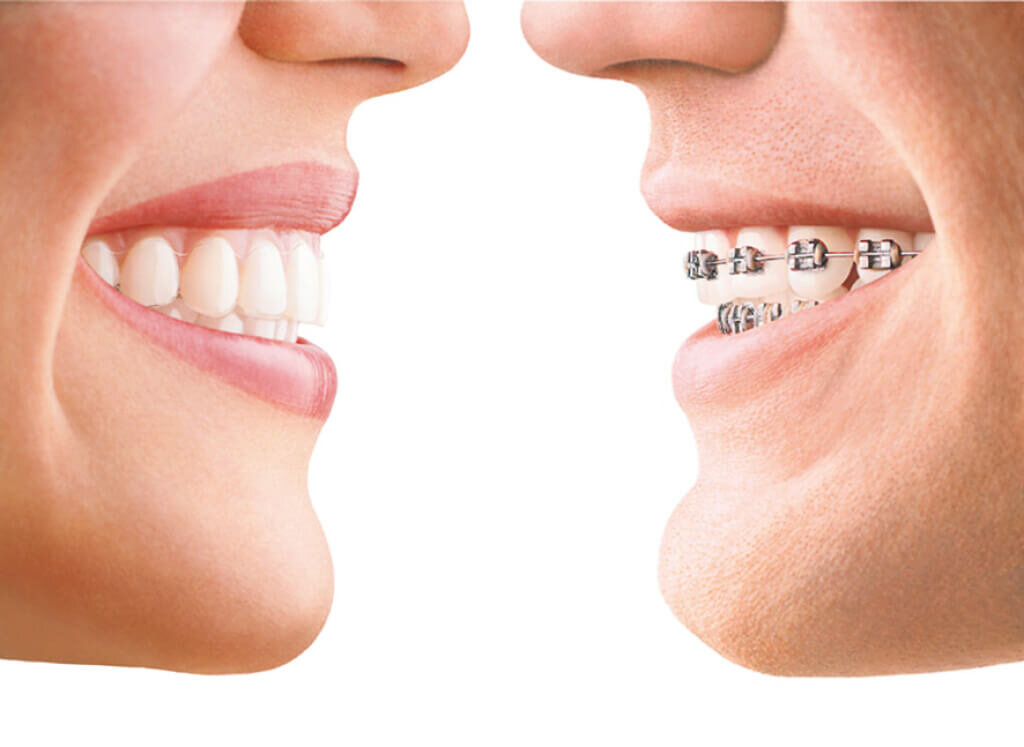
You don't need any specific treatment for mamelons because they eventually wear away, and humps get straight through normal chewing or cutting. They are believed to be smoothed out as the upper, and lower front teeth come into contact in normal condition. But if your teeth are misaligned, then these mamelons may not go away. This typically occurs if your front teeth don’t vertically overlap making an open bite. Your teeth don’t come into contact as a result of which these mamelons continue to remain even in adulthood. Many may still have mamelons if their teeth grew in late. For this, an individual has to go for orthodontic treatment.

How To Remove Mamelons?

If you wish to remove mamelons in your kid, you must consult pediatric dentistry McKinney specialist. They can help you with this by providing a simple treatment, i.e., removing mamelons by shaving the edges of teeth. The treatment is a cosmetic dentistry practice. It is known as:

· Tooth Reshaping

· Tooth Recontouring

· Tooth Shaving

· Cosmetic Contouring

Get it done in the office of a dentist as they use a file, disc, or drill to eliminate enamel and smooth out the edges of the teeth. The treatment is painless and doesn’t involve even a local anesthetic. The reason behind not injecting any local anesthesia is that mamelons are made of enamel. They don’t have any nerves. 

Moreover, the procedure of grinding is very quick. There is no need for recovery time. The treatment for mamelons is usually inexpensive, but you might have to pay out of your pocket. Since grinding teeth is a cosmetic treatment, it may not be a part of your insurance, and your insurance provider might not cover the cost.

We would suggest you confirm the cost of mamelons treatment with your dentist before opting for treatment, especially if you need to pay out of pocket.

Why Do You Need To Remove Mamelons?

Though mamelons are not harmful and don’t interfere with oral health or chewing habits, you should remove them for aesthetic reasons. If you have mamelons and you don’t like how they look, you must talk to your dentist about their removal. Once you remove them, your mamelons won’t grow back. The removal is permanent.

Taking Help from Valley Creek Dental Care

Valley Creek Dental Care is a family dental clinic in McKinney. We offer different kinds of dental treatment for people of all age groups. We offer mamelons treatment and suggest you get them treated when you notice it first in your child. Their removal is necessary to maintain uniformity in your teeth and make your smile perfect. Apart from mamelons treatment, we also provide emergency dental care, Invisalign, veneers, teeth whitening, and other important dental treatments. We suggest every patient maintain proper oral hygiene and have a long-lasting smile that could mesmerize others.

Conclusion:

It can be concluded that mamelons are the rounded humps on the edge of teeth. They appear on incisors, which are present at the front and middle of each jaw. These bumps don’t have a particular purpose or function. Furthermore, they are more noticeable when the adult incisors first break out. They typically get smooth by chewing over time. If your teeth aren’t properly aligned, then there are chances that you might have mamelons. It would be suggested to talk to a dentist if you want to get them removed. Your dentist will reshape the edges of your teeth and remove away the bumps.

Are Teeth-Whitening Treatments Safe?

istockphoto-1147579303-612x612.jpg

Every day, we encounter a number of questions related to various teeth whitening treatments and procedures. Those questions include:

  • Can teeth whitening damage your teeth? 

  • Is it safe to have teeth whitened?

  • Does tooth whitening damage enamel?

  • What are the side effects of teeth whitening? 

  • How can I whiten my teeth overnight? 

  • How can I make my yellow teeth naturally whiter? 

Apart from these questions, you may have many more queries on the same. Perhaps, you are curious to find the correct answers. We understand your curiosity, and as a responsible dental specialist, we think all your questions must be answered. Therefore, we have written this blog to answer all your questions related to teeth whitening. It will also give you clarity over teeth whitening treatments and procedures. Let’s go deeper!

Are Teeth Whitening Treatments and Procedures Safe for Your Teeth? 

First, we have to learn about various teeth whitening treatments that dentists mostly use to whiten and brighten patients’ teeth. Let’s have a look at those whitening treatments. 

Tray Bleaching- Tray bleaching is one of the most commonly used teeth whitening treatments. It involves a custom-made teeth tray filled with a hydrogen peroxide-based bleaching gel. 

The hydrogen peroxide-based bleaching gel is a strong chemical that plays the most crucial role in whitening your teeth. This teeth whitening treatment is mainly performed at dental offices by a teeth whitening dentist in McKinney.

Laser Teeth Whitening- Laser teeth whitening (ZOOM) can whiten your teeth within a few hours. During the laser whitening process, a specialized dentist places a concentrated bleaching gel over your teeth and then uses a laser to heat and activate the bleaching gel. This process removes the stubborn stains and yellowness from your teeth quickly. 

Over the Counter Products- OTC teeth whitening products involves whitening strips, whitening toothpaste, whitening mouthwash, whitening pens, and whitening light devices. These products are also widely used for whitening teeth, but patients usually use these products at their homes. 


Now, coming to the main point, if we talk about tray bleaching, it involves only a small concentration of strong chemicals, which is not harmful to your teeth. Apart from this, the tray bleaching treatment process is performed by teeth whitening specialists at dental offices. So, it would be safe to say that tray bleaching is completely safe for your teeth. 

However, if you inappropriately use tray bleaching by yourself at your home, it could be harmful to your teeth. It can cause gum irritation, mouth infections, and damage to teeth enamel.

Coming to laser teeth whitening (ZOOM), it wouldn’t be safe to say that laser teeth whitening is completely harmless for your teeth because it involves chemical-containing bleaching gel and an intense and painful laser heating process. The laser heating process extremely heats up your teeth, leading to some specific infections, irritation in gums, tooth sensitivity, and tooth cracks. 

Dentists usually recommend teeth whitening treatment to only those who can bear the heat in their mouth for at least two hours. 

Lastly, if we talk about over-the-counter teeth whitening products, they are completely safe to use with proper consultation. They involve lesser chemicals and risks. 

Now, you might have got the answer to most of your questions related to teeth whitening treatment risks. Let’s discuss some more questions and try to find out their answers. 

How Can I Whiten My Teeth Overnight? 

Laser teeth whitening treatment is the only solution to whiten your teeth overnight. It just takes one to two hours. However, it may lead to many specific dental problems, such as gum burn, lip burn, tooth sensitivity, tooth cracks, etc. So, if you are planning to undergo a laser teeth whitening treatment, make sure to first consult with your dentist. He/she will suggest whether laser teeth whitening is a good option for you or not. 

How Can I Make My Yellow Teeth Naturally Whiter? 

You can naturally whiten your teeth using various home-made remedies and following a healthy routine. Some of the best ways to whiten your teeth naturally are: 

  • Practice Oil-Pulling 

  • Use Hydrogen Peroxide-based Toothpaste

  • Brush Your Teeth with Baking Soda

  • Avoid Unhealthy Foods and Drinks

  • Eat More Vegetables and Fruits 

  • Floss Your Teeth Routinely 

  • Rinse Your Mouth After Every Meal 

Which is the Safest and Most Effective Teeth Whitening Treatment? 

Consider the benefits, effectiveness, and risks of different teeth whitening treatments. We could suggest that it will be safe to use custom tray bleaching treatment. It is a perfect solution for every dental patient who wants whiter and brighter teeth. It does not lead to any side-effect if this process is done appropriately and under the supervision of an experienced and specialist teeth whitening dentist. So, you can choose this teeth whitening option over others. 

Now, we hope you have got almost all the answers to your questions related to teeth whitening. Keep all these things in mind and make sure to choose teeth whitening treatments carefully. 

Dos and Don’ts of Wearing Invisalign Braces

dental-implants-Alternative-To-Braces-14.jpg

You might have got Invisalign because you always wanted to get that perfect smile. Though it is an expensive treatment to get perfect dental structure, there are so many things that you have to do to get quick results. Valley Creek Dental Care, one of the best Invisalign specialists in McKinney, has shared important information that every Invisalign user must know. We have also shared a few instructions and ways to keep your aligners in great condition. Here are some important dos and don’ts of wearing Invisalign and the best ways to keep them clean.

Dos of Invisalign

·         Wear Your Invisalign Aligners For 22 Hours Per Day: Many people questions about Invisalign’s results. The fact is that yes, they give desired results but only if you wear them continuously. They exert steady yet gentle pressure on the teeth to shift them into the place. If you don’t wear them at least 22 hours a day, you may not find the desired results. Experts recommend them wearing for at least 20 to 22 hours per day. You should take them out only when you are brushing your teeth, drinking, or eating.

·         Clean Your Invisalign Braces Regularly: If you don’t clean your aligners daily, plaque and bacteria will start accumulating on them as you wear them without cleaning. All you need to do is gently brush your aligners with a soft-bristled toothbrush and then rinse them with lukewarm water. You have to repeat this procedure two times a day, i.e., in the morning and night. Always rinse them before you put them back into your mouth after meals. You can get cleaning products that are ideal for aligners. They are nice but not a necessity.

·         Brush Your Teeth After Eating Anything And Before Putting Your Aligners Back:  Aligners can easily trap any food debris and liquid. It will then sit against your teeth as saliva doesn’t flow freely. This could lead to tooth decay. If you really wish to keep your smile happy and healthy, brush your teeth or at least rinse your mouth after a meal or even if you drink anything for that matter. Make sure you do that before you put your aligners back after drinking or eating.

·         Soak Your Trays Everyday: To ensure that your aligner trays are as clean as possible, make sure you soak them in Invisalign cleaning crystals or a denture cleaner. Once soaking is done, clean them with a separate toothbrush to remove food particles or lingering plaque, if any. Rinse them again before you put them into your mouth.

·         Always Store Your Aligners In Invisalign Case: Make sure you store your Invisalign braces in the aligner case. This is the most important tip to consider. Since they are clear, they can be accidentally thrown away. Moreover, your pets could grab them and damage them such that you have to spend extra to get the new ones. This is going to be a costly affair.

Don’ts of Invisalign

·         Don’t Leave Your Aligners In The Open Air When You Are Not Using Them: Never leave your trays exposed to open air as it could lead to bacteria buildup. Moreover, you can easily lose open trays as they are transparent and cannot be seen easily. If in case you leave them out for a while, make sure you rinse them before you put them into your mouth. Soak them for a while in a suitable cleanser and then rinse them again if you think they look dirty.

·         Don’t Forget To Take Off Your Aligners While Eating And Drinking: Never eat and drink with Invisalign aligners except drinking plain water. These aligners cannot withstand the pressure of chewing food. Also, food and drinks can get trapped between your teeth and aligners. This will put you at risk for cavities but also stain your teeth. Drinking and eating with aligners on will also cause discoloration of trays. They will lose their transparency and become pale, which will look bad.

·         Never Expose Your Aligners To Heat: If you rinse your aligners in hot water, or drink a hot beverage while putting them on or leave them in a hot place, your aligners can wrap. This will affect the fitting of your trays which could ultimately impact your results. Make sure you keep them away from heat. If you are rinsing them, ensure that the water is lukewarm, not steaming hot. Always take them out of your mouth while drinking any hot beverage.

·         Never Ever Use Harsh Cleansers On Your Aligners: If you clean your aligners with toothpaste, it may scratch them. Scratches will make them more noticeable when you wear them. Avoid harsh soaps, chemicals, and colored products to wash and rinse your trays. These can damage them and even cause discoloration. They probably won’t look and taste great when you put them back in.

If you think you need more help on this, feel free to call us. We will be more than happy to help you with detailed information about Invisalign treatment and maintenance. Those who want to know more about Invisalign treatment can contact us for the same. 

Everything You Need To Know About Teeth Whitening and Bleaching

teeth-whitening-.jpg

Do you want to get rid of your paled and stained teeth. Do you really wish to have a bright smile? If yes, this comprehensive guide could be useful for you. 

When it comes to teeth whitening, you mainly have two options; In-Office teeth whitening and At-Homes teeth whitening. Both these options are effective in whitening your teeth. You can choose any of these options depending on your teeth whitening requirements and preferences. 

These whitening treatments or procedures excessively use hydrogen peroxide-based bleaching agents, which are the primary teeth whitening chemical. The longer you will keep hydrogen peroxide-based bleaching agent applied on the surface of your teeth, the whiter and brighter teeth you will get. However, suppose this chemical is relatively high; in that case, it is better to keep it over the teeth for a shorter time. It can dehydrate your teeth and trigger tooth sensitivity.  

In-office-based teeth whitening treatment contains 15% to 43% hydrogen peroxide, while at-home teeth whitening includes 3% to 20% hydrogen peroxide. It means in-office-based teeth whitening treatment and procedures are more effective than at-home whitening kits.

In-Office Based Teeth Whitening and Bleaching 

In-office teeth whitening treatment is performed by whitening dentists in McKinney TX. It is mainly performed in two different ways; ZOOM whitening (sometimes also called laser whitening) and tray bleaching. 

ZOOM Whitening- The ZOOM whitening treatment method is the most effective way to whiten and brighten discolored teeth. The dentist does it by using a laser whitening system.

With this teeth whitening method, you can get 5 to 8 shades of whiter and brighter teeth within one or two hours. It is the fastest way to get a shining white smile.

The ZOOM whitening treatment is ideal for those dental patients who want to get immediate whitening results. However, this method is not entirely safe for dental health as it can lead to certain side-effects. 

It increases the teeth' temperature, leading to sensitivity issues, and sometimes burns the gums. If you choose this option, it can be risky for you. So, it would be best if you first consult with your concerned dentist. 

Tray Bleaching- In-office-based tray bleaching method is the most popular and preferred teeth whitening treatment. In most whitening dental clinics, this method is used as a primary teeth whitening treatment. 

While using this method, a whitening dentist uses a combination of custom-made trays and whitening gel. He/she places the whitening gel on the custom-made tray and then perfectly places that tray on the patient's teeth for 30 to 60 minutes. In this period, the peroxide in the gel breaks down, and hydroxy radicals start interacting with the teeth' surface. This process helps in removing the yellowness and stains from the teeth and brings the natural shine to the front. 

This in-office-based tray bleaching method can give you eight shades of whiter and brighter teeth. However, for that, you will have to take several 30 to 60 minutes treatment sessions with your whitening dentist. 

In-office-based tray bleaching is a perfect teeth whitening treatment for those dental patients who can afford multiple dental office visits with a 30 to 60 minutes treatment session with a whitening dentist. 

Tray bleaching has no side-effects if it is done appropriately. You can also perform it at your home at your own convenience. 

At-Home Teeth Whitening 

At-Home teeth whitening option is especially for those dental patients who prioritize convenience more than anything else. The patient itself performs this type of whitening treatment at its own convenience at home. Sometimes, a patient's friend or family members can perform this teeth whitening procedure to make it convenient.  

At-home whitening treatment and procedures can be performed using many different teeth whitening kits and over-the-counter products, such as whitening strips, whitening toothpaste, mouthwash, etc. You can get these teeth whitening kits and over-the-counter products only from whitening dentists. You will not find these products in your local market. 

This teeth whitening method involves: 

  • Tray Bleaching 

  • Paint-On Teeth Whiteners

  • Teeth Whitening Stripes

  • Teeth Whitening Toothpaste and Mouthwash 

Out of these At-Home teeth whitening methods, tray bleaching has been the most effective and fastest teeth whitening solution. If you want to choose At-Home teeth whitening, you should select tray bleaching. It would be the best option for you. 

Which Option Should You Choose? 

Considering the effectiveness and benefits of an in-office-based whitening solution, it won't be wrong to say that in-office-based whitening treatment is the best option for you. It would be best if you consider it over an at-home teeth whitening kit. However, it also depends on your requirements and preferences. 

For example- if you are not convenient with having multiple dental office visits for treatment, in-office-based whitening is not perfect for you. In this type of case, you can opt for at-home whitening treatment.  

In the end, we hope this piece of information has been interesting and useful for you. For such more qualitative and informative pieces of reading on dental health, keep in touch with us. 

Cavities In Kids: What Do You Need To Know To Prevent Another One In Future

Browns-plains-dentist-decay-caries-cavities.jpg

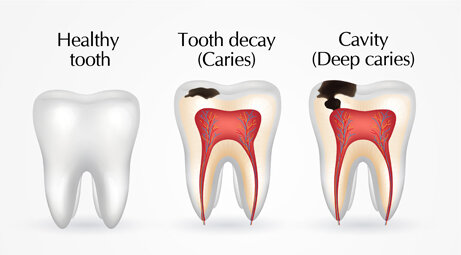
Tooth decay or cavity is the breakdown of a tooth's enamel, a hard outer surface present on a tooth. Tooth decay could lead to cavities, which means it could lead to holes in the teeth. This thing gets serious when your child gets cavities as it questions your care. It could be dreading news for you. Please don't blame yourself as it is not your fault at all. 

Tooth decay is caused by bacteria that are formed when food containing carbohydrates is left on the teeth. It includes food items such as raisins, candy, milk, soda, fruit juices, cereals, and bread. Bacteria in your mouth convert leftover food residues inside your mouth into acid. The combination of food, bacteria, saliva, and acid forms a substance known as plague. Plaque sticks to the teeth, and with time acids forming inside your mouth will eat away the tooth enamel, resulting in cavities in your child's tooth.  

To get out of this problem and save the tooth from damage, you must consult pediatric dentistry McKinney. Find a reputable dentist and let him/her see the tooth to find your child's decaying tooth's exact situation.

What Are The Conditions That May Put Your Child At Risk Of Tooth Decay?

Though bacteria are present in every child’s mouth, it would not be wrong to say that every child is at risk for tooth decay. But the below conditions may put your child at high risk for it:

  • High levels of the bacteria that result in cavities

  • High sugar and starch diet

  • Limited or no fluoride water supply

  • Poor oral hygiene

  • Less saliva flow than normal

 What Are The Symptoms of Cavities in Children?

When a tooth develops decay and cavities, symptoms may vary from one child to the other. Here are some common ways:

  • You may witness white spots on the affected areas. These spots mean that the enamel of your child's tooth has started to break down. This may cause sensitivity in the teeth.

  • An early cavity may seem to be on the tooth. It will appear light brown in color.

  • With time, the cavity becomes deeper and turns a darker shade of brown or even black.

As already mentioned, the symptoms of tooth decay may vary from one child to another. Generally, cavities don't always cause symptoms. When you take your child to the dentist, he/she finds it. But if in case you child feels:

  • Pain in the area around the tooth

  • Experience sensitivity to certain food items such as hot or cold drinks, sweets, and others

Both situations confirm that your child has a cavity that needs proper treatment.

How To Diagnose Tooth Decay In A Child?

A specialist of pediatric dentistry McKinney can diagnose your child's tooth decay based on:

  • Understanding the complete history of your child

  • Proper examination of your child's mouth

  • Dental X-rays

How To Treat Tooth Decay In A Child?

Tooth decay treatment in children entirely depends on your child's age, symptoms, and general health. It also depends on the severity of the child's dental conditions.

In most cases, treatment necessitates removing the decayed part of the tooth, which is later replaced with a filling. Fillings are materials placed in the tooth to repair damage caused by tooth decay. These fillings are known as restorations. There are different types of fillings:

Direct restorations: In this type, the filling is directly placed into a prepared hole. The fillers used in this type of restoration are made out of silver, acrylic acids, fine glass powders, or resin. They are often tooth-colored. This type of restoration can be completed in a single visit

Indirect restorations: In this type of restoration, you need to visit your dentist more than once for treatment. This restoration includes veneers, crowns, inlays, onlays, and bridges. These are constructed with ceramics, composites, gold, or base metal alloys. All these materials look like natural tooth enamel.

Essential Points About Tooth Decay In Children

Tooth decay, as already mentioned, is the breakdown of tooth enamel. It could lead to holes in the teeth termed cavities.

  • Bacteria in the mouth cause tooth decay. These bacteria form a sticky substance known as plaque that can eat away your tooth's enamel.

  • Poor oral hygiene can also result in tooth decay.

  • A dentist can identify tooth decay through X-rays and an exam.

  • Treatment involves the removal of the decayed part of the tooth and replacing it with a filling.

How To Prevent Tooth Decay In A Child?

Check out some simple steps below to prevent tooth decay in your child:

  • Make sure you brush your child's teeth every day. Make it a routine to avoid cavities and the growth of bacteria in the mouth.

  • Brush the teeth, tongue, and gums twice a day. If your child brushes his or her teeth, keep a watch on them.

  • If your child is younger than 3 years old, use only a small amount of toothpaste.

  • Make sure your child eats a well-balanced diet. Keep a check on their sugar intake or snacks that are sticky such as candy, cookies, and cake.

  • For bedtime bottles using children, only put water in it. Formula or juice may lead to tooth decay.

Make sure you schedule routine dental cleanings and examinations for your child so that you will be aware of the status of your child's dental health.