
Do You Know Untreated TMJ Affects Your Brain And Entire Body?

People visit dentistries for various reasons like tooth decay, toothache, tooth alignments through braces, Invisalign, placing veneers McKinney tx, etc. But have you ever observed toothache near the jaw joint and not been sure about it? It may be the TMJ pain.

One must always pay attention to many common dental issues, as poor dental health greatly impacts our bodies.

TMJ pain affects your jaw joint and other areas of your body. Your entire body is impacted, but possibly more significantly, it can rewire your brain so that even slight touches cause pain and make it difficult for you to concentrate on cognitive tasks. Does TMJ dysfunction influence your entire body without your knowledge? Try placing your fingers on either side of your face in front of your ears. Repeatedly open and shut your mouth slowly. Move your jaw now in a lateral motion. Do your fingertips brush up against the bony protrusion as your jaw moves? Your temporomandibular joint, or TMJ for short, allows you to move your jaw in various ways. Moving your jaw might be challenging and even painful when that joint isn't functioning correctly. Additionally, because everything in our bodies is interconnected, having trouble moving your jaw might have repercussions that add to other health problems.
Veneers in McKinney Tx

Where Can TMJ Dysfunction Be Felt? The jaw is the primary region where TMJ disease, also known as TMD, will cause symptoms. It can all come from poor nutrition, headaches, restless nights, and nervousness while talking, singing, and laughing. Patients with TMJ disorders may also have shoulder, neck, and back pain. Your jaw's rigidity and tension drive your muscles to overcompensate, putting additional load on your upper body. Additionally, TMD-related inflammation can likely cause earaches and eye pain.

How Can A Jaw Joint Problem Impact Your Entire Body? Because TMJ issues can trigger brain rewiring, it can affect your whole body. Near your skull is where your temporomandibular joint is situated. Your spinal cord and brain are intertwined, and your spine is impacted when you have TMJ dysfunction, which can interfere with the brain's ability to send and receive messages. In other words, a TMJ dysfunction prevents your brain from sending and receiving the information it needs to function correctly. This disruption can cause imbalances throughout the body, including bones, muscles, airways, spine, and posture.

What Are The Other Consequences of TMJ Disease? TMJ issues can cause discomfort or pain in regions other than previously discussed and other unpleasant physical symptoms. For instance, improper jaw balance can alter the position of your bite and tongue, which can severely impact your airway and the amount of air that enters your lungs. Additionally, disorientation from a TMJ condition may result in nausea or even actual vomiting. Learn about some of the impacts of TMJ on the brain and the rest of your body.

Does Your Every Touch Near The Jaw Joints Turn Into Pain? According to brain scans, people with TMJ reacted radically differently to "harmless" touching. In one study, healthy controls and participants with TMJ underwent low-frequency index finger vibration while having their brain activity tracked. Different brain regions, and more of them, were activated in TMJ patients. The pain response network is prepared for even the most minor touches in TMJ patients. Additionally, the brain's auditory cortex may have awakened in reaction to pain in TMJ patients, which may explain why they experience tinnitus.

Most significantly, the amygdala was activated in TMJ patients. Learning is connected to the amygdala, a part of the brain. Your body attempts to comprehend its suffering and discover solutions to avoid it. There is a high cognitive cost to paying continual attention to your suffering.

How Does TMJ Effects The Mental Well-Being? The mental well-being of the candidate plays a vital role in staying fit and fine. But the toothache caused by TMJ even affects the patient's mental health. Due to the effort required to monitor their pain, people with TMJ have more difficulty concentrating on tasks. In research with 17 TMJ patients and 17 healthy controls who were matched for age, TMJ patients fared worse on cognitive tests. Brain scans revealed that their brains responded to the activities differently and performed slower on a series of cognitive tests. There appeared to be a more significant emotional response to neutral tasks; they had to exert more effort to stay focused and spend more time planning and executing their motions. Brain regions that ordinarily cooperate on studies of this nature were fractured. The cognitive demands of chronic pain are thought to cause these consequences. Constant discomfort uses up a lot of your mental energy, leaving you with less to do the other things you need to perform. In addition, memory issues are frequently experienced by TMJ patients. Short-term memory can suffer from chronic discomfort.

What Are The Neurological Conditions That May Arise Due To TMJ?

TMJ can cause neurological issues in the brain. For example, TMJ dysfunction can result in other neurological conditions like:

  •  Tourette's syndrome

  • Parkinson's disease

  • Torticollis

  • Gain difficulties and balance issues. 

What Are The Symptoms Of TMJ Disorder? Knowing the signs to look out for is one of the best methods to safeguard yourself against the consequences of TMJ on your entire body. Being acquainted with the symptoms, you can receive an early diagnosis and therapy to avoid adverse effects. The most typical signs of TMJ disorder are listed below.

  • Frequent migraines and headaches

  • Pain in the jaw, neck, face, shoulder, or back

  • Swelling of the face

  • Tinnitus

  • The ear or nearby area hurts

  • Congested ears

  • Opening or closing the mouth makes a clicking or popping noise.

  • Lockjaw

  • Toothaches

  • Unpleasant bite

Various dental issues form in the mouth due to inadequate dental hygiene. We advise scheduling an appointment for an assessment at dentists McKinney Tx, near you if you suffer any of the symptoms mentioned above.
The All-On-4 Implant Solution: A Comprehensive Guide!

Teeth are among the most important parts of our body. So, it's natural, you want them to be with you as long as possible. Unfortunately, as you age, your teeth start to be damaged due to various factors such as acidic drinks, smoking, or chewing tobacco. Some of these factors can be prevented with a simple dental care routine and visiting a dentist every six months for professional check-ups.

Losing teeth from decay or trauma can have a devastating effect on your confidence. This is why so many people decide to get different dental treatments to replace their missing teeth and restore their smiles. There are many different dental treatments available, but the most popular and effective one is the All-On-4 Implant. Many people don't know this, but the All-On-4 Implant is the most effective and efficient dental treatment available.

So this guide is aimed at educating you about the All-On-4 Implant. You will learn everything there is to know about what it is, and how to get started with it.

What is the All-On-4 Implant?

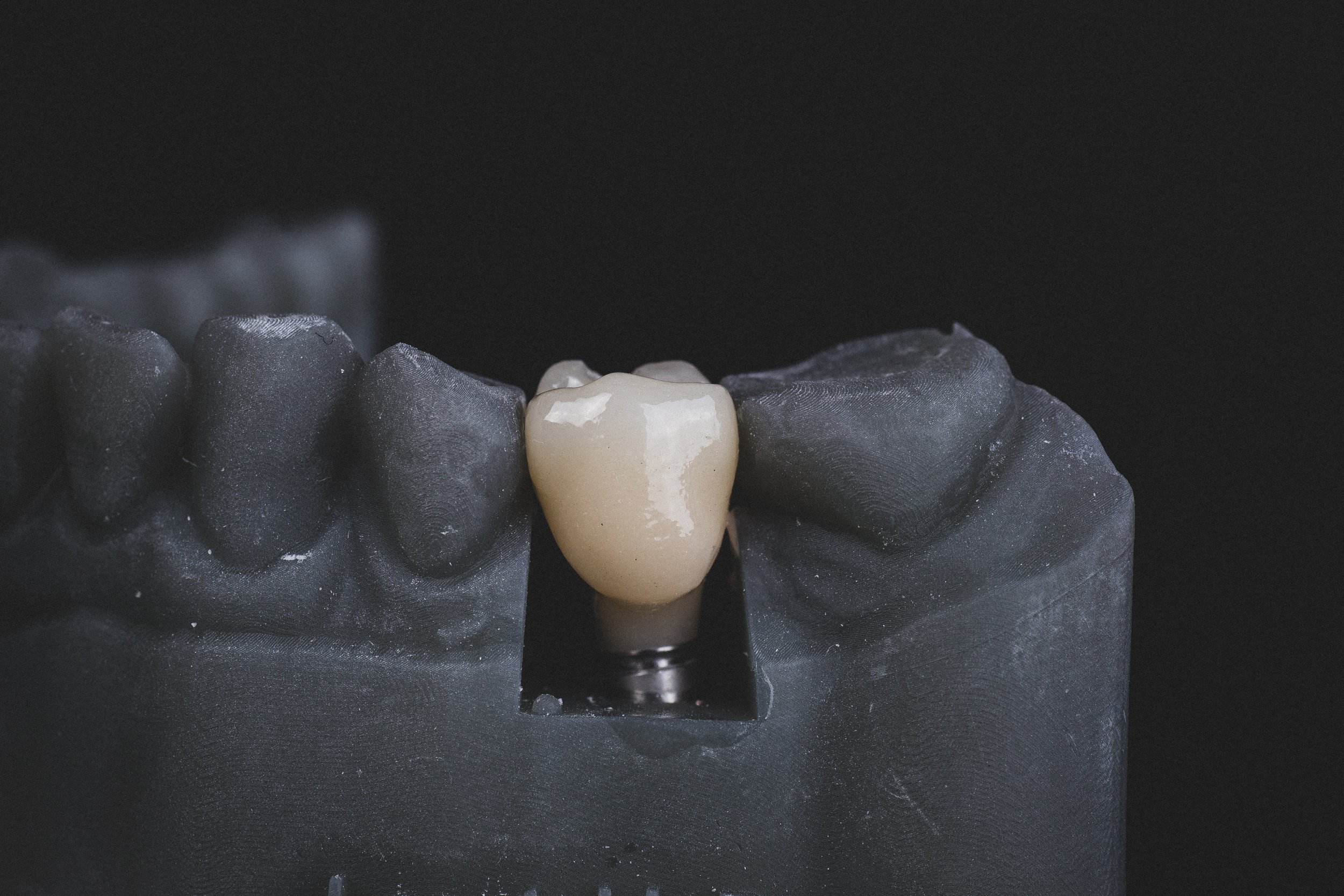
The All-On-4 Implant is an advanced technique for restoring teeth that has been becoming more popular in recent years. In this implant, all of the teeth in a dental arch are replaced using all-on-four dental implants. Four titanium posts are attached to the implant after the dentist puts it in the jawbone. When using dental adhesive to replace teeth, the posts serve as anchors. These posts are then used to attach a fixed or removable denture that looks and feels like natural teeth. 

All on 4 Implant

As compared to other conventional dental implants, all-on-four dental implants provide several benefits. All-on-four dental implants are first and foremost far more durable than conventional dental implants. And all-on-four dental implants, however, last a lot longer. In addition, it is easy to install and less expensive than conventional dental implants. This implant has even greater durability than other dental implant methods.

The All-on-four dental implant method is unique. Dentists fix the crowns to the jaw with four dental posts instead of dozens of tiny ones. These implants are put in by an expert in a dental practice. Other than in a dental operating room, there is no need for surgery. This revolutionary dental treatment is used for restoring the lower and upper jaw rather than a single tooth.

To get started with an All-on-four implant, you must have an oral surgeon or a dentist that is well-versed in the procedure. Let's now examine the typical progression of the procedure.

Consultation & Examination:

First, you need to make an appointment with a dentist who has experience working with dental implants. It is important to find a dentist that is qualified to implant the All-On-4 Dental Implant because if done improperly can cause serious harm. So before proceeding, ask for a list of the procedures that were carried out by the dentist and examine them very carefully. Make sure that you ask about the likelihood of success or failure when performing this process.

The second step is to get an oral examination. The dentist will be able to assess the condition of your teeth and check for cavities, gum disease, or other issues that may disqualify you from participating in the procedure. It is important to note that not every patient is qualified to participate in dental implant procedures. This means that some patients are disqualified because they have other medical conditions that prevent them from undergoing the All-On-4 Implant treatment.

Pre-Procedure & Patient Preparation:

Dentists will inform you of the different procedures involved in All-on-four dental implants after they have examined you. Some of these procedures can be costly, and you must pay before the procedure. For example, some dentists will scan your jaw and teeth before they can perform the procedure. After determining that your condition is suitable for dental implant treatment, the dentist will then measure and make an impression of your mouth and teeth.

Implant Placement Procedure:

The All-on-4 Implant procedure is a little different from traditional dental implant procedures in that it does not require general anesthesia. However, you will still be provided with the necessary sedation to ensure that you don't feel any pain during the procedure. Your mouth will also be numb when it is time to begin the process. After the dentist has completed taking your impression, the dentist will start the procedure of placing dental implants into your jawbone.

Your dentist will insert the four titanium posts into your jawbone. Then the dentist will place the dental implant in your jawbone and attach it using dental adhesive. Afterward, the dentist will attach a removable denture to the All-on-four dental implant. This procedure is often performed under local anesthesia or sedation. After you are done with this step of the procedure, the dentist will attach dental caps that are made of real teeth to your fixed denture. You will feel just like you have healthy teeth in your mouth.

Recovery & Final Prosthesis:

After the procedure, it is common to experience mild to moderate pain and swelling. As soon as you leave the dental clinic, you will be given medication to help you recover from the pain and swelling. After one week, your dentist will provide you with a temporary denture so that you can start eating solid food again. The recovery time after an all-on-four dental implant procedure is shorter than other types of procedures for fixing teeth. You are not required to stay in the clinic for the entire recovery time. The final prosthesis is ready approximately two weeks after the first impression of your mouth is completed by the dentist.

Conclusion

Dental implants are amazingly effective and durable dental procedures. All-on-four dental implants are also a very safe and convenient dental procedure. This procedure has been used by various dentists to permanently fix missing teeth. McKinney TX dentist at Valley Creek Dental Care provides the best professional services. So, visit us today to schedule an appointment with one of our dental specialists.

Common Dental Problems That You Should Never Ignore!

We all want to look perfect in every possible way with clothes, hairstyles, makeup, and skin care. Though you may have a good personality, what if you talk to people with stained teeth or missing teeth, or bad breath? This can be embarrassing for you and it also leaves a bad impression on the person you are talking to.

Well, all this happens because you are overlooking your dental health. Dental health is important for everyone. Some people due to busy schedules or other reasons may be unable to take care of their teeth properly. However, ignoring these problems can lead to more serious health issues, and sometimes you may also lose all your teeth.

Noticing any of the symptoms below? If you do, it might be time to see a dentist or Veneers McKinney Tx. These dental problems can range from minor and painless to severe and life-threatening. So in this guide, we've compiled a list of the most common dental problems you should never leave untreated.

Veneers McKinney Tx

What Are The Impacts Of Poor Dental Health?

If you are not feeling so great, you may be suffering from dental problems. Here are some of the issues that can occur due to poor dental health and how they can impact your life:

  • Cardiovascular Disease:

Poor oral hygiene leads to cardiovascular disease. The reason behind this is that bacteria and plaque get into the blood through your gums and damage the tissues and vessels. This causes inflammation and increases your chances of heart disease or stroke.

  • Diabetes:

Likewise, poor dental health can lead to type-2 diabetes. This happens because of the high levels of sugar in your blood. Instead of removing the food particles from your mouth, plaque breaks down these particles and releases glucose into your bloodstream.

  • Bad Appearance:

Your smile is an important part of your face and impacts your overall appearance. If you have teeth problems then your teeth will look horrible to others. This can be embarrassing for you because people will start to avoid making any kind of interaction with you. If left untreated, your teeth issues can affect your confidence as well which can make you avoid any kind of social gathering and also affect your chances of getting a life partner.

  • Self-Esteem Issues:

A lot of people start to avoid going outside and interacting with people because they are embarrassed with their teeth. It is important to say that if you're someone who is suffering from dental problems you will also be more likely to feel depressed and have low self-esteem. Also, having issues with your teeth can make it difficult for you to succeed in any career or financial goal that requires a good image. 

4 Dental Problems That Should Not Be Ignored!

If you have been ignoring any of these dental problems, then it is time to take care of your teeth now. Here are some most common dental problems you should never ignore!

  1. Frequent Changes In Your Gums:

Sometimes you may notice changes in color or swollen gums. This is not a good sign and needs to be treated by a dentist right away. The changing of your gums can lead to a form of inflammation called gum disease. This can cause more serious health issues and will be very difficult to treat if not treated on time. If also notices any of the following sign:

  • Gums turn from pink to red.

  • Gums seem to be swollen.

  • Receding gums.

  • Plus, a bad odor, or new crevices between your teeth.

You must visit a professional dentist and have your gums checked. 

2. Tooth Sensitivity:

Tooth sensitivity is another common symptom of poor dental health or cavities which causes the teeth to feel hot, cold, or tingly after eating. This happens because of the damage that occurs to the dentin inside your teeth. If you keep ignoring this problem, it can lead to toothache and pain in your gums. 

3. White Spots In Your Teeth:

Sometimes your teeth or your tongue may have these lacy-white areas on them and you will also observe that the color of your teeth has faded out as well. The reason behind this is the bacteria gathering in these areas and they break down the enamel.

4. Bad Breath:

This is one of the most common symptoms of poor dental health. Bad breath happens when there are harmful bacteria present in your mouth and discolors your tongue, teeth, and gums. These bacteria will also cause stains on teeth if left untreated. So if you feel that your breath is not as fresh as it should be then it is time to visit a dentist.

Smile and the world will smile with you, but take care of your teeth, which will give you a better smile for the rest of your life. If you need help then search for dental implants near me, you will get the best dental treatments from our Valley Creek Dental Care Experts.

Full Mouth Reconstruction & Its Benefits!

The goal of full mouth reconstruction is to improve the way your teeth look, feel, and function. A healthy smile not only makes you feel better about yourself and boosts your confidence, but it also impacts the way others perceive you. You'll find that you will get more job offers, be taken more seriously in business meetings, and have a better chance of being promoted! Plus, a happy appearance helps increase your energy levels and can even help improve your overall health.

With today's technology and high-quality products, there are more options than ever before for replacing missing teeth. Depending on your individual needs, dentist-recommended procedures for full mouth reconstruction may include the following methods:

  • Dental Implants - An artificial tooth root made of titanium. When placed in your jawbone, the implant acts like a natural tooth root and provides support for a crown or bridge.

  • Bridge - A fixed dental restoration that spans from one healthy tooth to another with a gap in between like a real bridge.

  • Partial Dentures - A removable plastic and metal mouthpiece that is adapted to fit your mouth and provide support for teeth without roots (abutments).

  • Complete Dentures - A removable mouthpiece that is adapted to replace all of the teeth in your upper or lower arch.

  • Oral Surgery and Periodontal Surgery - If you have experienced trauma, infection, disease, or other disorder that has resulted in the loss of a healthy jawbone or gum tissue that supports the teeth, then surgery may be recommended. The goal here is to eliminate any pain or discomfort you may have and improve your oral health for better long-term health.

Who Needs A Full Mouth Reconstruction?

The majority of the time, people with several dental issues become the greatest candidates for complete mouth restoration. A few of these circumstances could be:

  • Missing teeth - The majority of missing teeth are generally replaced with dental implants, but full mouth reconstruction may be an option in some cases. This would involve the use of dental implants or partial dentures.

  • Badly Damaged Roots Or Root Canals - Sometimes, due to injury, an abscess (an area of infection) can form over the roots or root canals that have started to decay and rot away. If this is the case, full mouth reconstruction may be appropriate.

  • Wrong Size, Shape, Or Alignment Of Teeth - A full mouth reconstruction could be appropriate in some cases where an individual has teeth that are significantly out of alignment or not properly sized to fit in the mouth.

  • Inadequate Chewing Function - If your teeth aren't working correctly because they're too small or misshapen due to tooth decay, then a full mouth reconstruction may be recommended.

  • Crowded Teeth - There may be instances in which your teeth are too close together, the teeth have become misaligned, or a combination of these issues has been an issue for you. In these cases, a full mouth reconstruction may be appropriate.

Benefits Of Full Mouth Reconstruction

If you've suffered from a dental issue that has resulted in several teeth requiring replacement, then contact a dentist today to discuss the process of full mouth reconstruction. Not only can it vastly improve your health and appearance, but your energy levels and confidence will increase as well! The benefits of a full mouth reconstruction include the following:

  1. Rejuvenates Oral Health:

If you've had any dental issues, both cosmetic and functional, your oral health will improve after a full mouth reconstruction. Since teeth replacement is not a quick process, your new teeth will take some time to develop and harden to support the dental implants or bridges. As a result, you'll find that your gums will heal quickly and the oral cavity will become healthier as the tissue that supported your teeth re-grows.

2. Restores Beauty & Function of Your Smile:

After a full mouth reconstruction, you'll find that your oral health will be far better than it was before the dental replacements. You'll be able to chew food more efficiently and with less effort. Since you'll have a full set of teeth that are the right size and in the right place!

3. No-More Gum diseases:

Part of the reason why you may have such issues in your mouth is because of the bacteria that are housed in the pockets between your gum and tooth. If these pockets are large enough, then they can start to affect the way that you eat, speak, and feel. With a full mouth reconstruction, it will eliminate gum disease and reduce its occurrence.

4. Teeth Straightening:

Another great benefit of a full mouth reconstruction is that it can straighten the teeth in your mouth. If you've had missing teeth, then the permanent restorations are known to move, shrink, or shift out of place. With a full mouth reconstruction, your teeth will be in the proper alignment and position and won't shift as much when you eat or talk.

Conclusion 

Tooth loss can severely affect your appearance, but with a full mouth reconstruction or all on 4 implants, you will be able to start to feel better about yourself. The health benefits of the reconstruction process depend on the treatment plan that is recommended by your dentist. However, it is important to remember that a full mouth reconstruction takes time and commitment. You won't see results in a day or two, but with regular dental care and visits, you will notice a difference over time.

Understanding How Dental Health & Mental Health Affect Each Other!

Dental health affects mental health in more ways than you might think. If you will recall the last time poor dental hygiene caused you embarrassment and you experienced social anxiety as a result? That amply demonstrates the close connection between your dental and mental wellness. Poor oral hygiene can cause serious mental health disorders.

On the other hand, having good dental health consultation from whitening dentists in mckinney tx and invisalign tx make you feel more confident, emotional, mental, and social well-being. Dental health and mental health should be taken seriously and efforts should be made to ensure that both are in the best possible conditions.

What Is The Connection Between Dental Health & Mental Health?

Your dental health such as the color of your teeth, cavities & bad breath from your mouth reveals your self-image which can lead to social anxiety. A lot of people suffer from embarrassment at the thought of confronting other people especially when it comes to public speaking. When you look in the mirror and see that you have dental problems, your self-esteem is negatively impacted.

Sometimes people may not directly confront you but they may avoid, or ignore you. This could cause even more self-esteem issues as it can cause a person to avoid certain social situations which is often the best way to get over your fears. This is why poor dental hygiene and poor oral hygiene can also cause physical anxiety which will lead to social anxiety.

Individuals who are not conscious of their dental health can suffer from mental disorders. Too much sugar or too much soda can affect your teeth over time so they turn into cavities or cracked teeth. This will cause you to have a dry mouth, which is another problem that people suffering from social anxiety have.

5 Ways To Manage Your Dental Health And Mental Health!

Now that you know the link between your dental health and others you should be able to take steps to better yourself. There are several ways that you can improve your dental health while also improving your overall mental health. Here are 5 ways you can do both:

Balanced Diet Is Must:

Eating healthy food that is good for your teeth and mental health should be your first step. Avoiding processed foods and choosing to focus on leafy greens, nuts, seeds, and berries. Plenty of water is also very important to ensure that your teeth are in the best condition possible. You must remember that the food you eat impacts your oral health as well as your mental health. Therefore to safeguard your teeth and gums and to improve your mental health, including a wide variety of nutritious foods in your diet.

Brush & Floss Regularly:

Brushing and flossing teeth daily is an essential part of good dental hygiene. You will never be able to have a healthy mouth if you do not clean your teeth regularly. Flossing may seem like extra work but it is worth it in the long run. The best time to clean your teeth and gums is right before you go to bed. This will ensure that you start the day with a clean slate and avoid any type of bad breath or other oral health issues later in the day.

Never Ignore Signs & Symptoms Of Poor Dental Health:

Once you start experiencing any kind of symptoms in your mouth do not ignore it. Be sure to see a dental professional immediately. There is no shame in visiting the dentist. Jaw ache, black spot, sensitivity, teeth pain, and many more symptoms need to be addressed immediately. Ignoring the signs and symptoms can worsen the situation. So make sure you see a dentist right away if you see any early signs of trouble.

Try Stress & Anxiety Reducing Activities:

If you want a healthy mind you can try stress and anxiety-reducing activities such as yoga, deep breathing, mindfulness, and physical exercise. This is a great way for you to improve your mental health and reduce your anxiety. They will also help you in maintaining good dental hygiene. When you are stressed out, your mind can become distracted and this can lead to poor oral hygiene as well as teeth-related problems. When you engage in engaging in these low levels of stress and anxiety, it can help you maintain good dental hygiene and keep your mind clear of distractions.

Visit The Dentist Regularly:

It is important to schedule regular dental visits to keep your teeth and gums in the best possible condition. Visit the dentist regularly to make sure that everything is in shape. When you visit the dentist, let them know about any symptoms at all so that they can help you in treating any issues. Do not be afraid to ask for assistance from a specialist so that they can help you in solving the issue at hand. You can make a list of questions that you want to ask your dentists, as they will help you in determining the best way to fix your issues.

Conclusion

As you can see, there is a definite connection between dental health and mental health. This is why you should care for your teeth but also be sure to take steps to improve other areas of your life. If you are suffering from poor dental care, consult with a pediatric dentistry mckinney immediately. So that they can help you in identifying the problem and treating it if possible. Once they have finished this, you can work on improving other areas of your life such as stress management and anxiety reduction activities to live a healthier lifestyle overall.