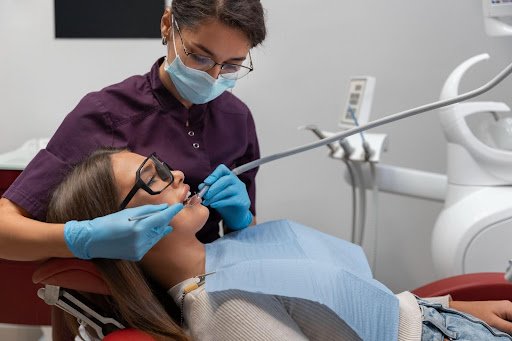

What to Look for When Selecting an Invisalign Specialist?

Imagine flashing a smile that radiates confidence and makes you feel like you can take on the world.  That's the magic of Invisalign - a teeth-straightening system that subtly uses clear, custom-made aligners to shift your smile into perfect alignment. 

But with so many dentists offering Invisalign these days, how do you choose the right specialist for you? 

It can be overwhelming, but you do not have to worry because, with this guide, you can choose Invisalign Specials McKinney TX, with proper qualifications and certifications. So, what are you waiting for? 

Let's explore everything to find the perfect specialist who helps you achieve a confident and radiant smile!

Understanding Invisalign

Invisalign is an orthodontic treatment where an orthodontist uses a series of clear, removable aligners to slowly straighten teeth. 

Invisalign aligners offer a substantial aesthetic and convenience advantage over traditional braces because they are nearly invisible & can be removed for eating, drinking, and cleaning.

It can offer a wide range of benefits to the users, which include the following: 

  1. Aesthetic Appeal: Compared to metal braces, when you consider getting Invisalign TX, they will be transparent and more noticeable.  

  2. Comfort: They irritate the gums and cheeks less because they are made of medical-grade, thermoplastic polymers and have high molecular weight.

  3. Removability: Aligners can be taken out for oral hygiene and meals. 

  4. Fewer Dental Visits: Usually, compared to traditional methods to get treatment for braces, fewer orthodontist appointments are required in  Invisalign, TX. 

Why Expertise Matters: Orthodontist vs. Dentist?

Although Invisalign appears to be a simple aligner system, it necessitates a thorough grasp of bite correction and tooth movement. This is where the difference between dentists and orthodontists becomes essential. 

  • Orthodontist

After graduating from dental school, these Invisalign specials in McKinney, TX, undergo an extra two to three years of training dedicated exclusively to orthodontics and dentofacial orthopedics. 

Because of their extensive training, they are specially trained to identify complicated biting problems, create personalized treatment programs, and manage unanticipated treatment-related consequences.  

  • Dentist

Although some general dentists offer Invisalign, oral health is their primary area of interest. They might lack the expertise and experience to manage complex cases.  

While the price may be a consideration when deciding between a dentist and an orthodontist, remember that hiring a skilled orthodontist can save you money over time by preventing possible problems that might require more frequent checkups or lengthy treatment. 

Factors to Consider While Choosing an Invisalign Specialist  

Several factors must be considered while choosing an Invisalign specialist. They will ensure that you have a beautiful smile.  

But how can we identify which Invisalign is the right braces for adults? And what should you consider while looking for one? 

Finding the Invisalign Elite: Experience and Qualifications

Finding an orthodontist with extensive Invisalign experience is paramount. Here are vital aspects to consider: 

  • Invisalign Certification

Invisalign has a tiered certification system that acknowledges the number of patients a doctor has successfully treated. You should look for providers with proper certification to ensure you are in the right hands.  

  • Case Studies and Success Stories

Examining the before-and-after pictures and patient reviews on an orthodontist's website or social media profiles can provide important information about their training and care method. 

  • Technology Adoption

The procedure of Invisalign TX is constantly changing. Seek out providers that use the latest advances, such as iTero intraoral scanners for improved treatment planning and digital scanners for accurate mold creation. 

Before qualifications, it is essential to consider the following aspects to ensure a comfortable and successful treatment journey:

  • Communication Style

Does the orthodontist explain things clearly? Do they answer your questions patiently and address your concerns effectively? You must go to them if they do, as they will offer you comfortable and successful treatment.  

  • Treatment Philosophy

The Invisalign procedure is constantly changing. Look for providers that use the latest advances, such as iTero intraoral scanners for improved treatment planning and digital scanners for accurate mold creation.

  • Treatment Monitoring 

Find out how often you will see the orthodontist and how they will track your development. Routine monitoring is essential for maintaining appropriate tooth movement and quickly resolving possible problems.

Transparency in Costs and Financing Options

The cost of your Invisalign TX treatment may vary based on your location, the intricacy of your case, and the orthodontist's level of experience. Be honest about your spending limit and ask for the entire price upfront, including any additional costs for retainers or unanticipated issues.

Many orthodontists provide financing options to make orthodontic treatment more accessible. To get the best rates, compare these choices with those other finance businesses and discuss them with the office personnel.  

Remember, the cheapest option is not always the best. Focus on finding an orthodontist who offers transparent pricing & flexible financing options that fit your budget without compromising quality care.

The Importance of Comfort and Convenience 

The average time this Invisalign treatment takes is between six months and two years. Selecting an orthodontist who offers flexible appointment scheduling and a convenient location can significantly improve your experience.

  • Office Location

Think about how convenient it is to commute to the orthodontist's office for routine appointments and how close it is to your house or office premises.

  • Appointment  Availability

Everyone has a hectic schedule, and one should always check appointment availability so they do not have to wait a long time.

  • Follow-up Care

Regular follow-up appointments are critical to monitoring your progress and making any necessary adjustments. Invisalign specials in McKinney, TX, which value convenience, offer virtual check-ins, and provide clear instructions to prevent unnecessary visits and stress. 

Patient-Centric Care

Patient-centric care is essential for a positive Invisalign experience. A welcoming and supportive staff, which includes friendly receptionists and knowledgeable assistants, can make scheduling and attending appointments more pleasant while providing valuable information and support. 

During a comprehensive initial consultation, the specialist should clearly explain the treatment process, discuss comfort measures, and take the time to answer all your questions and address any concerns. This thorough approach ensures a comfortable, convenient, and well-informed treatment journey.

Red Flags to Watch Out For!

Selecting the right Invisalign specialist ensures a smooth and successful treatment experience. There are several advantages to choosing Invisalign for teeth straightening. Even though there are many trustworthy and competent individuals in the field, it is crucial to recognize any warning signs that could point to poor quality work or knowledge. 

When selecting an Invisalign professional, be aware of the following warning signals.

  • Lack of Transparency

Avoid experts who are secretive about their credentials and experience or do not disclose their fee structure. You have the right to enquire about complete information of your treatment plan and any associated costs.

  • High-Pressure Sales Tactics

Avoid experts who urge you to make a quick decision. Reputable suppliers will give you the time and knowledge required to make an informed decision.

  • Unresponsive or Difficult to reach

It is essential that you communicate well throughout your treatment. If a specialist or the staff at their office is difficult to reach or inattentive to your questions, this might cause annoyance and issues throughout your treatment.

Conclusion 

Selecting the appropriate Invisalign expert is crucial to a happy and effective treatment outcome. Make it a top priority to locate a qualified, experienced physician who prioritizes patient care, communicates effectively, and has straightforward pricing. 

Consider elements like follow-up care, technology, and location to ensure that getting your ideal smile is comfortable. 

At Valley Creek Dental Care, we are dedicated to providing top-notch Invisalign treatment tailored to your unique needs. Schedule your consultation today and take the first step towards a beautiful, confident smile.


Full Mouth Reconstruction: Improving Oral Health and Confidence

A healthy and attractive smile is vital for overall well-being. However, dental decay, gum disease, accidents, or birth defects can cause oral health problems. Full mouth reconstruction, a part of prosthetic dentistry, helps restore oral function, improve appearance, and enhance quality of life. 

The PubMed study reported outstanding results in dental rehabilitation, showing a 97.9% survival rate for dental implants and increased patient satisfaction within six months of treatment.

This blog will explore full mouth reconstruction, its benefits, procedures, and the transformative impact it can have on patients' lives.

Understanding Full Mouth Reconstruction

Full mouth reconstruction, also called full mouth rehabilitation or restoration, is a comprehensive, personalized treatment that restores lost teeth and improves overall health. It addresses dental issues affecting teeth, gums, jawbone, and bite. 

Many people have some common myths and misconceptions about full-mouth reconstruction. Beyond cosmetic improvements, it resolves dental problems, alleviates pain, and supports oral health.  

Why Do You Need Full Mouth Reconstruction?

It addresses severe dental issues that simple treatments cannot manage. It aims to restore the form and function of teeth and improve appearance by filling gaps left by lost teeth. This comprehensive process is necessary for various reasons, including significant dental problems affecting oral health.  

  • Tooth Decay

One primary reason is severe tooth decay, which affects multiple teeth. Significant tooth decay may require numerous tooth replacements or extractions. In such cases, reconstruction is beneficial as it halts the decay and repairs the damaged teeth, providing a foundation for long-term oral health.  

  • Missing Teeth

Missing teeth can disrupt daily functions and affect appearance. Full mouth reconstruction restores the ability to chew, speak, and smile confidently. Your dentist will create a plan using dental implants, bridges, or dentures to replace missing teeth and restore their original form and function.

  • Tooth Wear and Tear

Your original teeth can sometimes experience wear and tear from grinding (bruxism), acid erosion, or other factors. This damage can lead to tooth sensitivity, alter your bite, and impact your smile and appearance. Reconstruction aims to restore worn-out teeth and enhance their function and appearance. 

  • Dental Injuries

Accidents or sudden dental injuries can result in fractured, chipped, or displaced teeth, affecting multiple things simultaneously. Restoring the damaged teeth to their original form and function is essential in these situations. The reconstruction plan may involve various treatments, such as dental crowns, veneers, or other methods, to address the impact of the accident or injury. 

  • Gum Disease

Severe gum disease can cause receding gums, bone loss, and loose teeth, necessitating full-mouth reconstruction. The treatment plan may include bone or gum grafting and other procedures to stabilize and restore teeth. This personalized approach offers a long-lasting solution. 

What are the Several Factors Involved in Full Mouth Reconstruction?

The process involves a comprehensive treatment plan to restore its functionality and overall health. It addresses issues such as decay, damage, malocclusion, and aesthetics.  

Here are the steps involved in a full-mouth reconstruction. Let's break down the steps to make them easier to understand.  

  • Complete Examination and Diagnosis

The initial step of full-mouth reconstruction involves a thorough examination and diagnosis by your dentist. During this phase, your dentist will evaluate your overall oral health, including the condition of your teeth, gums, jaw, and muscles. X-rays, impressions, centric bite records, and photographs may be collected to view your oral mouth structures comprehensively.  

  • Treatment Planning

Your dentist will create a personalized treatment plan tailored to your needs, goals, and dental issues based on your comprehensive examination. The dentist will review the proposed treatments, available options, and expected outcomes with you. 

  • Gum Treatment

Healthy gums are essential before addressing teeth problems. If gum disease prevails, the dentist may begin with gum treatment to restore its health. This could involve deep cleaning procedures, such as scaling and root planning, to remove plaque and tartar from beneath the gum line.  

  • Endodontic Treatment

If teeth have infected or damaged pulp (the innermost part of the tooth), your dentist may perform endodontic treatment, commonly referred to as a root canal. This procedure involves removing the infected pulp, cleaning the tooth, and filling it to prevent further infection. This step is crucial for preserving natural teeth and avoiding tooth extraction.  

  • Damaged Teeth Removal

If teeth are damaged or decayed beyond repair through other methods, the dentist may recommend extraction. This procedure is carried out carefully, and your dentist will discuss options for replacing the missing teeth as part of the reconstruction process. 

  • Prosthodontic Planning

This step includes designing and placing artificial teeth, such as crowns, bridges, and dentures. It is a crucial aspect of full-mouth reconstruction planning and treatment. Your dentist will determine the type of replacement, the materials used, and the optimal placement. The goal is to restore the form and function of your teeth while enhancing your smile. 

  • Orthodontic Considerations

Orthodontic treatment addresses crooked teeth and bite issues. This may involve using braces, aligners, or other orthodontic appliances to achieve proper tooth alignment and a balanced bite, considering both vertical dimensions and occlusal surfaces. 

  • Teeth Replacement

Teeth replacement focuses on repairing and rebuilding damaged teeth. This may include placing dental crowns to cover and protect weakened or broken teeth. Additionally, dental bridges can replace missing teeth, restoring both your mouth's natural appearance and functionality. 

  • Dental Implants

Dental implants are a popular and effective solution for replacing missing teeth. They involve titanium components implanted into the jawbone to act as artificial tooth roots. These titanium implants are then fitted with crowns, bridges, or dentures, offering a stable and durable remedy for tooth loss. 

According to the FDA, dental implant systems generally comprise materials that adhere to the international consensus standards established by the International Organization for Standardization (ISO) or ASTM International.  

  • Bite Adjustment

A crucial part of treatment is ensuring correct bite alignment for optimal teeth functionality. Bite adjustment and anterior guidance are assessed to achieve a balanced bite, preventing TMJ disorders and uneven tooth wear.  

  • Maintenance and Oral Care 

Maintaining your full mouth reconstruction requires consistent oral care, including regular brushing, flossing, and dental cleanings. To ensure long-lasting results, follow your dentist's recommendations, such as using night guards or retainers.  

Benefits of Full Mouth Reconstruction in Improving Oral Health and Confidence 

A primary reason your dentist might suggest is to address dental issues comprehensively, restoring both your oral health and the appearance of your smile. 

Unlike a smile makeover, which focuses mainly on cosmetic improvements, it prioritizes resolving significant oral health problems to build a strong foundation for the final outcome. 

Although there are several benefits of full mouth reconstruction, let’s discuss them one after the other: 

  • Enhances Overall Oral Health

Full mouth reconstruction significantly boosts overall oral health by addressing dental issues with a comprehensive treatment plan. It replaces damaged or missing teeth, repairs structural damage, and improves oral hygiene, reducing pain and complications while enhancing nutrition and comfort.  


  • Strengthens Jaw Structure


A key advantage is to strengthen the long-term stability of the teeth and jaw structure. It strengthens damaged teeth, replaces missing ones with implants or bridges, and restores the bite, ensuring better support.  

  • Restores Smile Appearance

It improves the appearance of your smile by correcting discoloration, misalignment, and damaged teeth. It combines cosmetic and functional repairs for a more attractive and confident smile. 

  • Treats Periodontal Disease

Full mouth reconstruction is vital for managing periodontal disease. It involves treatments like scaling, root planing, and gum grafting to prevent further damage and tooth loss and improve overall gum health. 

  • Correction of Bite and Alignment 

The primary function of full mouth reconstruction is to correct bite and alignment issues and improve oral function and comfort by adjusting the bite, realigning teeth, and fixing jaw discrepancies. This enhances chewing efficiency, reduces jaw strain, and ensures a balanced bite. 

Conclusion 

Technological advancements have improved precision, efficiency, and patient satisfaction, leading to better outcomes and personalized care. 

This treatment restores full mouth functionality, alleviates discomfort, and enhances health and appearance. 

So, are you ready to explore your options for full mouth reconstruction? Contact the dentist in McKinney, TX, today to schedule a consultation.

The Role of Pediatric Dentists in Maintaining Teen Dental Hygiene

Today, teenagers face different challenges, from academics to peer pressure and societal to social dynamics. Similarly, one thing that scares them is dental treatment when it is overlooked during their growing years. As teens navigate these formative years, maintaining dental hygiene becomes increasingly crucial and is the most minor thing they prioritize. 

Here is the role of pediatric dentistry in helping teens maintain their dental health without compromising their oral hygiene. Let's dive into pediatric dentists' essential role in keeping those teenage smiles bright and healthy.

Importance of Dental Hygiene During Teenage Years

Why should we care so much about dental hygiene? Simply put, these years are a critical time for establishing habits. Poor dental care during adolescence can lead to long-term issues like cavities, gum disease, and tooth loss. 

Plus, teens are more susceptible to some dental issues due to hormonal changes, dietary habits, and a tendency to prioritize other aspects of their busy lives over oral care. 

Dental hygiene isn't just about preventing cavities; it's also about overall health. Poor dental health can contribute to severe conditions such as heart disease and diabetes. By emphasizing good dental practices during the teenage years, we set the stage for a healthier future. 

Unique Needs of Teenage Patients

Teenagers aren't just mini-adults; they have unique dental needs influenced by rapid growth, hormonal changes, and lifestyle choices. Understanding their needs is crucial for maintaining their dental health and confidence.

Let’s understand it all in depth.  

Psychological Aspects

Have you ever noticed how much a teen's confidence is tied to their appearance? A bright smile can improve self-esteem, whereas dental issues can lead to embarrassment and social anxiety. 

To address these issues, pediatricians are well-versed in addressing dental anxiety and helping teens feel good about their oral health.

Orthodontic Concerns

For many teens, braces and aligners are almost a new world. While these orthodontic treatments are essential for correcting misalignments and improving dental health, they also introduce new challenges.  

Braces can trap food particles and make brushing more difficult, increasing the risk of catching cavities and gum disease. Pediatric dentists provide crucial support during this time, offering advice and tools to help teens maintain excellent oral hygiene.  

Diet and Lifestyle

Teenagers often have less-than-ideal diets filled with fast food, fried snacks, and sugary drinks that can severely damage their teeth. Coupled with a lifestyle that might include frequent outings to parties or events where all types of food are consumed, teens are at a higher risk for dental problems.  

To tackle such dental issues, Pediatric Dentistry McKinney offers tailored advice to help teens make better dietary choices and protect their teeth.  

The Role of Pediatric Dentists

Pediatric dentists are superheroes in white coats, specializing in addressing the unique needs of young patients. Their expertise goes beyond just cleaning teeth; they play a multifaceted role in maintaining and improving dental health for teens.  

Specialized Training

Pediatric dentists undergo extensive training, including child psychology, growth and development, and specialized techniques for managing young patients. With the help of this training, they can establish a friendly and encouraging atmosphere, which is essential for motivating teenagers to take an active interest in their oral health.  

Preventive Care

By emphasizing regular check-ups and teeth cleaning, pediatric dentists help prevent dental problems before they start. They use various preventive measures, such as fluoride treatments and dental sealants, to protect teens' teeth. These proactive steps can save teens from painful and costly dental issues.  

Education and Guidance

One effective weapon in the fight against dental issues is receiving proper guidance and education about dental health. Pediatric dentists spend time teaching parents and teenagers about upkeeping dental hygiene habits.  

This entails demonstrating proper brushing and flossing processes, discussing how nutrition affects tooth health, and emphasizing the importance of dental hygiene for kids and regular dental checkups.  

Pediatric dentists assist teenagers in making well-informed decisions regarding their dental health by equipping them with the correct information.   

What Common Dental Issues do Pediatric Dentists Address in Teens?

Pediatric Dentistry McKinney addresses common dental issues teens face to ensure their smiles remain healthy and bright without problems related to cavities, pain in the gums, etc. 

Let's explore some of the most prevalent dental problems pediatric dentists tackle in teenage patients. 

Cavities and Tooth Decay

Did you know that cavities are one of the most common dental issues in teens? According to statistics, nearly 57% of adolescents aged 12 to 19 have experienced tooth decay.                              

Regular snacking, sugary foods, and poor oral hygiene contribute to tooth decay. 

Pediatric dentists are skilled at recognizing and treating cavities early, often using minimally invasive techniques. They also guide the prevention of cavities through better diet choices and improved oral care practices.  

Gum Disease

Teens who suffer from gum disease, or gingivitis, may find it extremely difficult, especially around puberty, when hormonal changes can make gums more prone to inflammation and sensitivity.  

Pediatric dentists are adept at recognizing early signs of gum disease and providing treatments to manage and reverse the condition. They also stress the importance of flossing and mouthwash to maintain healthy gums.  

Braces and Orthodontics

Orthodontic treatments, such as braces, are expected during the teenage years. While these treatments are essential for correcting alignment issues, they also make dental hygiene more challenging.   

Food can quickly become trapped in braces, increasing the risk of gum disease and cavities. To provide complete care, pediatric dentists collaborate closely with orthodontists, providing specific cleaning methods and instruments to support dental hygiene during orthodontic treatment.  

Tips for Parents and Teens

Maintaining good dental hygiene requires a team effort involving both parents and teens. Here are some practical tips to help keep teen’s dental health on track:

  1. Make an appointment for routine dental examinations with a pediatric dentist to monitor and preserve oral health. 

  2. Adopt a clean, well-balanced diet high in fruits, vegetables, and dairy products. Minimise sugary drinks and snacks.  

  3. Instruct teenagers to use fluoride toothpaste twice daily and floss their teeth regularly.

  4. Ensure teenagers are active in sports activities and wear mouthguards to protect their teeth.  

  5. Encourage positive behavior, compliment teenagers, and reward them for having healthy oral habits. 

Bonus Tip: Make Dental Hygiene Fun!

Turning dental care into a fun activity can make a big difference. Consider using apps that set challenges to encourage better oral hygiene. The more enjoyable the routine, the more likely teens will stick with it. 

Conclusion

Pediatric Dentistry McKinney plays an essential role in maintaining teen dental hygiene. Through specialized training, preventive care, and education, they address the unique needs of teenage patients, helping them navigate the challenges of adolescence with healthy, confident smiles.  

Realizing the value of oral health cleanliness and heeding the advice of pediatric dentists can help teens develop lifelong habits that will improve their general health and well-being. Thus, give your teenagers an education about making oral health a priority and assist them in securing bright and healthy smiles.

7 Key Tips for Selecting the Right Dentist for Your Family's Needs

McKinney dentist

Choosing the right dentist for your family is more than brushing up on your options; it's about ensuring every smile gets the care it deserves. With so many choices, finding the perfect dentist can feel overwhelming. 

But fear not! This blog will discuss critical tips to help you navigate the dental landscape and select a professional to meet your family's unique needs. 

Family dentists treat children and adults, addressing dental problems throughout life stages while maintaining a comprehensive dental history for each patient. They also advise on how to overcome dental anxiety

New parents should prioritise visiting a family dentist, ensuring they know their family’s dental health history. Now that we understand the importance of a family dentist, how do we choose one? 

Various factors need to be considered when selecting a family dentist. Here are the seven most important factors discussed in detail.  

Why Do You Need a Dentist for Family Needs?

It is no longer untold that dental anxiety affects around 36% of people, with 12% experiencing severe dental fear. Hence, choosing a good family dentist is a crucial decision that impacts your entire family's oral health and well-being. A family dentist provides comprehensive dental care for patients of all ages, making your family’s dental needs easier in one place. 

Here are several reasons why having a family dentist is beneficial:

  • Comprehensive Care for All Ages

A family dentist like McKinney Dentist offers various dental services suitable for all age groups, from toddlers to seniors. This ensures that each family member receives the appropriate care tailored to their dental needs. 

From baby teeth to permanent teeth, orthodontics, and dentures, a family dentist can handle it all, making dental care more streamlined and cohesive for your family. 

  • Consistency and Convenience

Having one dentist for the entire family simplifies scheduling and reduces the hassle of managing multiple dental appointments at different locations. It allows for synchronised appointments, saving time and making it easier to keep up with regular dental visits. This consistency ensures that your family’s dental care is seamless and well-coordinated.  

  • Familiarity and Comfort

Regular visits to the same dentist create a sense of familiarity and build a comfort zone, which is especially important for children, especially those with dental anxiety. 

Knowing what to expect and seeing the same friendly faces at each visit can make dental appointments less stressful. This relationship fosters a trusting environment where patients feel more comfortable discussing their dental concerns. 

  • Personalised Dental History

A family dentist maintains detailed records of your family’s dental history, providing continuity of care. This allows the dentist to track changes, detect patterns, and tailor treatments based on historical data. Personalised care plans can be developed more effectively, promptly, and accurately to address issues.  

  • Preventive Care and Education

Family dentists emphasise preventive care and oral hygiene education, helping families adopt better dental habits. 

Regular check-ups, cleanings, and preventive treatments like sealants and fluoride applications are integral to maintaining oral health. Family dentists also educate patients on proper brushing and flossing techniques, diet, and other factors contributing to oral health. 

  • Emergency Dental Services

Having a family dentist means you have immediate access to someone who understands your family’s dental history and needs. 

This can be crucial in emergencies, where prompt and effective treatment is necessary. Knowing whom to call and receiving timely care can alleviate pain and prevent further complications.

Essential Tips to Choose the Right Dentist 

If you need a local family dentist, clarifying your criteria beforehand is essential. Selecting a reliable family dentist can significantly enhance your family's long-term health.

Here are seven tips for choosing the right dentist: 

  • Experience and Guidance

People prioritise qualifications and experience when selecting a doctor. Trusting a new dentist for their dental health is challenging, so ensuring it is competent is crucial.  

Patients gain confidence in doctors by learning about their qualifications and experience, which also applies to dentists, so choose McKinney Dentist.

Knowing your dentist's expertise helps build trust, making you more comfortable during appointments, which is essential. 

Further, dental teams experienced in treating children understand effective methods for keeping their patients calm with best practices that provide dental sedation services. 

  • Diversified Range of Services

Choosing a general dentist who provides the specific dental services your family requires is prudent. Switching between dentists for specialised services can be both inconvenient and costly.  

Additionally, transitioning to a new dentist after becoming accustomed to one can be challenging. Review their website or speak directly with their office team members to clarify the range of services available.  

  •  Utilising the Latest Surgical Tools

Technology plays a crucial role in every industry, including dentistry. Proper tools ensure dentists can work safely and efficiently. They also aid in the swift, painless, and comfortable identification and treatment of dental issues.  

People prefer McKinney dentists who incorporate modern technology into their practices, as it indicates awareness of advancements in the field. 

  •  Local Vicinity for Hassle-free Visits

When selecting a family dentist, consider their location. Ensure the dental office is close to your home or workplace. In our busy lives, travelling a long distance for a routine check-up can be impractical. Many people skip appointments simply because the dentist’s premises are too far.  

Therefore, it's wise to consider this aspect in advance. Proximity is also beneficial in emergencies, allowing for quick visits to the dentist. Time is just as important as health. Thus, finding a nearby dentist saves both time and health. 

  •  Analyse Cost-Effective Methods

When choosing a dentist, it's essential to consider your budget. Dental procedures can be costly, and prices vary depending on the type of procedure.  

So, select a McKinney dentist who fits within your budget. 

If you have dental insurance, confirm whether they accept your specific plan. If you require dental financing, check if they offer such options. 

Additionally, some dentists charge different fees for the same procedure, depending on their experience, services, etc. Set a budget and evaluate a family dentist based on your financial plan.  

  • Comfort and Friendly 

When selecting the right dentist for your family's needs, consider the comfort and atmosphere of the dental office. A welcoming and friendly environment can significantly reduce dental anxiety, especially for children or those with dental fears.

Look for a McKinney dentist who prioritises patient comfort through amenities like comfortable seating, calming décor, and friendly staff.  

Additionally, the relaxed and professional atmosphere reflects the dentist's commitment to providing a positive experience, making regular visits more pleasant, and encouraging better oral health habits for the whole family.  

  • Addressing Emergency Issues

Lastly, and most importantly, consider emergency dental services. While most dental issues are identified in advance, emergencies like gum swelling or broken teeth can arise unexpectedly. Your McKinney dentist must be prepared to handle such situations promptly. 

Understand the procedures they follow in emergencies and the measures they implement to manage these problems. An improper response to a dental emergency can lead to serious consequences in severe cases.

Thus, choosing a family dentist is a crucial decision. Take your time to explore your options until you are convinced.  

How to Find the Best Family Dentist?

For a reliable family dentist in McKinney, Valley Creek Dental Care offers comprehensive dental services that prioritise comfort and use advanced technology. Committed to personalised and professional care, they strive to ensure a pleasant experience for every family member. The dentists here help address common childhood dental fears that the little ones might have. 

Whether you need routine check-ups, cosmetic dentistry, or specialised treatments, Valley Creek Dental Care provides trusted services tailored to your family's dental needs. 

Conclusion 

The ideal family dentist meets all your service requirements and should be conveniently located. By thoroughly researching and meeting multiple local dentists upfront, you'll feel more confident choosing the best option for your family's needs.  

Many people only visit the dentist once in their lifetime, which can exacerbate problems. It's recommended to see a dentist every six months. Timely diagnoses can prevent serious consequences. 

At ValleyCreek Dental Care, our dedicated team of experienced professionals prioritises patient care from children to adults.

Contact us today to discover our comprehensive dental services tailored to your family's needs!

Why Are Pediatricians Best for Managing Children's Dental Anxiety?

Is your child nervous about visiting the dentist? Dental problems are a common fear among children of all ages. Their anxiety level automatically arises because of the complex treatment and from the glimpse of sharp-edged equipment. 

This fear can arise from various factors, including unfamiliar settings, dental instruments, or past negative experiences. Consequently, many parents hesitate to schedule dental check-ups for their children, potentially leading to serious dental issues down the road. 

However, discover how Pediatric Dentistry in McKinney can help young children overcome dental anxiety and address their issues.  

Fortunately, dentists undergo specialized training to understand and cater to young patients' unique needs in McKinney's child dentistry. They strive to help children overcome dental anxiety by creating a safe and comforting environment for dental procedures.  

In this blog post, we will explore how dentists effectively help children conquer their fear of dental visits, emphasizing the importance of regular dental check-ups for overall health and well-being. 

Role of Pediatric Dentists in Treating Dental Anxiety in Children 

Visiting the dentist can often trigger fear in children, which is known as dental anxiety. This initial fear can become a significant issue impacting their dental oral health. 

Let us explore the role of child dentists in overcoming dental anxiety issues in children and what components are helpful in this aspect.  

  • Specialized Training: 

Pediatric dentists undergo rigorous specialized training that focuses on the unique dental needs of children from infancy through adolescence. This training includes comprehensive education in child psychology, growth and development, and behavior management techniques specific to patients.  

These dentists have the knowledge and skills to handle the complexities of children's anxiety levels. 

Their training enables them to approach each child with sensitivity and understanding, adapting their techniques and treatments to suit each patient's needs and developmental stage.  

  • Creates Child-Friendly Environment:

Creating a child-friendly environment is essential in pediatric dentistry to ensure young patients feel comfortable and safe during dental visits. These dental offices are designed to be welcoming and non-intimidating, with cheerful decor, colorful murals, and child-sized furniture.  

Play areas with toys, books, and games are often incorporated to help distract children and relieve anxiety before and during their appointments. 

Such environments are carefully crafted to promote a positive association with dental care.

Behavioral Techniques:

Pediatric dentists in McKinney utilize various behavioral techniques to manage children's behavior and reduce anxiety during dental treatments. 

The techniques include positive reinforcement, such as praise and rewards for cooperative behavior.

Desensitization methods may also be employed. They gradually introduce children to dental tools and procedures in a non-threatening manner to reduce fear and build confidence. 

By customizing their approach to each child's personality and level of anxiety, dentists create a supportive environment that encourages cooperation and minimizes stress. 

Effective Communication:

Effective communication is fundamental in pediatric dentistry to establish trust and alleviate anxiety in young patients. 

These dentists communicate with children in:

  • Simple and age-appropriate language

  • Explaining procedures using visual aids

  • Display the treatment to explain the good side of the dental experience

Moreover, they listen attentively to children's concerns & questions and patiently address their common childhood dental fears.  

Clear communication extends to parents or caregivers, informing them about their child's oral health status, treatment options, and preventive care practices. By fostering open communication, dentists ensure that children and their families feel informed, supported, and confident in their dental care. 

Pain Management and Sedation:

Pediatric dentists at Pediatric Dentistry McKinney are trained in effective pain management techniques to ensure minimal discomfort during dental procedures. 

They carefully administer local anesthesia to numb specific areas of the mouth before treatments, using child-friendly techniques to minimize pain and anxiety. In cases where children require additional support, dentists may utilize sedation techniques tailored to the child's age and medical history.   

Sedation options range from mild sedatives to general anesthesia, used sparingly and under strict safety protocols to ensure the child's well-being throughout the procedure. These dentists enhance their young patients' comfort and safety by prioritizing pain management and sedation when necessary.

Preventive Education:

Child dentists emphasize preventive education as a cornerstone of their practice. They educate children and their families about the importance of maintaining good oral health. 

They provide personalized guidance on proper brushing and flossing techniques, the role of a balanced diet in dental health, and the significance of regular dental check-ups and cleanings. 

Through interactive discussions and practical demonstrations, dentists empower children to take responsibility for their oral hygiene from an early age. 

Techniques Used by Pediatric Dentists to Help Kids Overcome Dental Anxiety 

Pediatric dentistry in McKinney employs various specialized techniques to help children overcome dental anxiety and ensure their dental visits are as stress-free as possible. 

Tell-Show-Do Method:

The Tell-Show-Do method is the basic technique in pediatric dentistry in McKinney. In this method, dentists explain the procedure in simple, age-appropriate terms (Tell), demonstrate the procedure using props or models (Show), and then perform the procedure on the child (Do). 

This step-by-step approach helps familiarise children with what to expect, reducing fear and uncertainty by increasing their understanding of the dental process before it happens. 

Positive Support:

These dentists provide positive support throughout the dental visit, using encouragement, praise, and rewards to reinforce cooperative behavior. This approach builds confidence in children, making them feel secure and appreciated during treatments. 

Dentists focus on the child's strengths and achievements to create a supportive environment that encourages resilience and reduces anxiety. 

Distraction Techniques:

Distraction techniques involve using playful and engaging activities to divert children's attention from the dental procedure.  

This may include showing cartoons or playing soothing music. Distraction techniques help create a more relaxed atmosphere in the dental premises by keeping children occupied and mentally engaged.  

Parental Involvement:

Dentists encourage parental involvement to support children during dental visits. Parents accompany their child in the dental treatment room, providing reassurance and comfort throughout the procedure. 

Dentists also educate parents about strategies to help manage their child's dental anxiety at home, reinforcing the importance of positive boost and maintaining open communication about dental health.  

Nitrous Oxide Sedation:

Dentists use nitrous oxide, or laughing gas, as a safe and effective sedative option to help children relax during dental procedures. 

Administered through a mask placed over the child's nose, nitrous oxide induces a mild sense of euphoria and relaxation, reducing anxiety without putting the child to sleep. This method allows for quick recovery and enables children to resume normal activities after their appointment.

Pre-appointment Communication:

Effective communication before the appointment reduces anxiety and prepares children for dental visits. 

These dentists and their staff communicate with children and their parents about what to expect during the appointment, including discussing procedures, answering questions, and addressing concerns. 

By providing clear information and establishing expectations upfront, pediatric dentists help children feel more comfortable and mentally prepared for their dental experience. 

Conclusion 

Pediatric dentists are best for managing children's dental anxiety due to their specialized training, child-friendly environments, effective behavioral techniques, and dealing with children with advanced pain management techniques. Their focus on communication and preventive education ensures a positive dental experience, promoting lifelong dental health and easing dental fears in children.