

Veneers Vs. Teeth Whitening: Making The Right Choice For Your Smile

A bright, radiant smile is often considered a hallmark of confidence and health. Irrespective of your age, whenever you meet someone, it leaves an impression on the way you smile and greet the other person. Behind the bright smile, the role of teeths plays a vital role.  

In fact, a report by the American Academy of Cosmetic Dentistry shows that 48% of adults believe that a smile is one of the most memorable features after meeting someone for the first time.  

If you’re looking to enhance your smile, two popular options stand out: veneers and teeth whitening. Both can transform your appearance, but they cater to different needs and expectations.

This post will help you explore these options and provide a clear comparison, helping you make an informed decision about your unique smile goals.  

What are Veneers?

These are thin shells made of porcelain or composite resin, covering the teeth' front surfaces. They offer a complete remedy for cosmetic dental issues by enhancing teeth' size, shape, color, and alignment.  

How does it Work?

There are several processes involved in this procedure:  

  1. Consultation: The dentist evaluates your dental health and discusses your aesthetic goals. 

  2. Preparation: To make room for the veneers, a tiny layer of enamel is removed from your teeth. 

  3. Impressions: A mold of your teeth is taken to create custom-fit veneers.  

  4. Bonding: Dental cement firmly bonds them to your teeth, and a specialized light is used to cure them for longevity.  

Who Is It Best For?

These are ideal for individuals with:

  • Deep stains or discoloration that resist whitening.

  • Chipped, cracked, or irregularly shaped teeth.

  • Gaps or minor misalignments in teeth.

Benefits and Limitations of Veneers

Understanding the benefits and limitations is essential to making an informed decision about whether or not to have them. 

Let’s discover the benefits of getting veneers for a perfect smile while also considering their potential challenges.  

Benefits

  • Long-lasting Results

With proper care, these, especially porcelain ones, can last between 10 and 15 years. Unlike temporary fixes, they provide a durable solution to aesthetic concerns.  

  • Comprehensive Coverage

It addresses multiple dental issues, from discoloration and gaps to chips and uneven teeth. They offer a complete smile makeover rather than just improving the color.  

  • Stain-Resistant

Because porcelain veneers are resistant to stains from frequent food/ liquid items like wine, coffee, and tea, you may be sure that your smile will always be white. 

Limitations

  • Higher Cost

Veneers are expensive; they usually cost between $800 and $2,500 per tooth. This price represents their impact on appearance, durability, and customization.

  • Irreversible

Because enamel must be removed during the treatment, the choice is irrevocable. After the treatment, your teeth will always require some kind of covering. 

  • Time-consuming

Unlike temporary solutions, it takes weeks to complete, from preparation to bonding, and requires several visits.  

What Do You Mean By Teeth Whitening?

This cosmetic dentistry procedure makes teeth look whiter by removing discoloration and spots. Its ease and efficacy make it one of the most popular cosmetic dentistry procedures. 

How Does it Work?

In order to remove stains from the enamel, this process uses bleaching substances such as hydrogen peroxide or carbamide peroxide. The procedure is as follows: 

  • Professionally: In-office treatments involve applying a concentrated bleaching gel, often activated by a light or laser.

  • At Home: Whitening strips, trays, or toothpaste contain milder bleaching agents for gradual results.

Who Is It Best For?

This treatment works well for individuals with:

  • Surface stains are caused by coffee, tea, red wine, or smoking.

  • Naturally yellowed teeth due to aging.

  • No significant structural or intrinsic discoloration issues.

Benefits and Limitations of Teeth Whitening
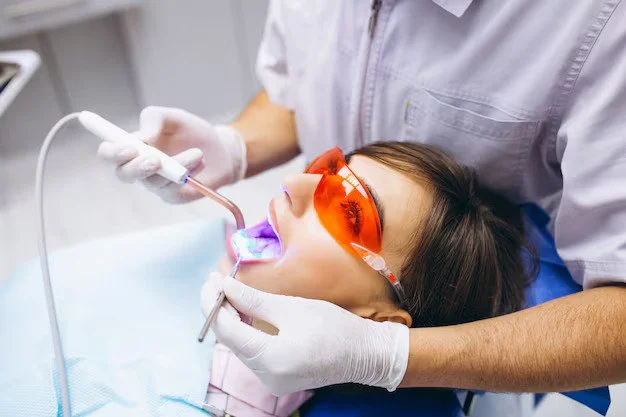
It is a well-known cosmetic solution for enhancing the brightness of your smile. However, like any procedure, it comes with its own set of advantages and limitations that are worth considering before making a decision.

Benefits

  • Cost-effective

This is relatively affordable, with professional treatments costing between $500 and $1,000, while over-the-counter kits are as low as $20.  

  • Quick Results

In-office procedures are perfect for people who want results right away because they can lighten teeth by multiple shades in a single session.  

  • Non-Invasive

The procedure doesn’t alter the natural structure of your teeth, making it a less intimidating option for those wary of invasive treatments.  

Limitations

  • Temporary Results

The effects of whitening typically last 6–12 months, depending on dietary habits and oral hygiene. Regular touch-ups are needed to maintain results.  

  • Limited Coverage

It works only on surface stains and may not address intrinsic discoloration caused by trauma or excessive medication.  

  • Tooth Sensitivity

Some individuals experience temporary sensitivity during or after treatment due to the bleaching agents penetrating the enamel.

Key Differences Between Veneers and Teeth Whitening

Here is a comparison that will help you understand both options in a better way-

Aspect Veneers Teeth Whitening
Purpose Covers Imperfections Removes Surface Stains
Cost FHigh Affordable
Longevity 10-15 years 6-12 Months
Procedure Invasive Non-Invasive
Results Comprehensive Smile Makeover Brightens Natural Teeth

Factors to Consider When Choosing

Several factors can guide your choose between veneers and teeth whitening. Each option serves different purposes, and understanding your priorities can help you achieve the smile you desire.  

  • Budget

Your budget is a major consideration when selecting the best course of therapy. Teeth whitening is typically more cost-effective, with professional treatments, and at-home kits are even more affordable.  

Veneers, however, require a substantial investment, often costing on a higher side per tooth. 

If you're looking for a short-term, economical solution, whitening might be the way to go. For a lasting transformation, veneers are worth considering despite the higher upfront cost.

  • Type of Stains or Damage

Another important consideration is the type of dental issues you have. Although teeth whitening works well for surface stains brought on by colored liquids or alcohol, it is ineffective at addressing chipping, gaps, or intrinsic discoloration.  

On the other side, veneers offer a complete fix, hiding flaws, including cracks, misalignments, and extreme discoloration. It might be preferable for a perfect smile if your teeth have more serious problems.  

  • Timeframe

Think about the speed at which you require results. Teeth whitening is perfect for special occasions or last-minute improvements since it produces results immediately. 

Veneers take longer because of consultations, enamel preparation, unique production, and follow-ups, even if they produce more noticeable alterations.  

  • Long-term Goals

Consider how long you hope to achieve your goals. Teeth whitening requires touch-ups every six to twelve months to maintain a brighter smile.  

For those looking for a long-term cosmetic improvement, veneers are a more durable option since, with the right maintenance, they can last 10 to 15 years. 

Conclusion

Deciding between both options depends on your specific needs and goals. In a nutshell, teeth whitening is perfect for quick, cost-effective brightening, while veneers provide a long-lasting solution for deeper imperfections.  

At Valley Creek, we’re dedicated to creating beautiful, confident smiles. Whether you decide on veneers or teeth whitening, our skilled staff will give individualized treatment to suit your particular requirements. 

Schedule a consultation today and take the first step toward your dream smile!

7 Signs That Your Dental Crown Needs Replacement

A dental crown offers a strong, long-lasting treatment by restoring the appearance, shape, and function of an injured or weakened tooth. Despite their reputation for longevity, crowns eventually need to be maintained. 

Have you experienced any changes or pain around your crown? Your general oral health may suffer if you ignore these signs, which could result in more issues. 

Did you know that the global dental crowns and bridges market was valued at $4.02 billion in 2023 and was projected to grow from $4.24 billion in 2024 to $6.75 billion by 2032, expanding at an exponential growth rate of 6%? 

This shows the number of dental crowns being sold, which highlights their popularity and necessity among people.  

But how do you know when it’s time to replace a dental crown? 

Let’s just explore the signs, the importance of timely replacement, and the benefits of early intervention.   

What is a Dental Crown, and Why is It Important to Replace When Damaged?

A dental crown is a protective cap placed over a tooth to restore its shape, strength, size, and appearance. It is a common dental procedure that can significantly improve the function and aesthetics of your smile.  

A damaged dental crown can lead to a variety of oral health problems which include- 

  • Tooth decay: Cavities and tooth decay can result from bacteria growing beneath a broken crown. That is why one should learn about the signs of tooth decay and get it checked by a professional. 

  • Gum Disease: Gum irritation from a loose or poorly fitting crown can result in infection and inflammation.

  • Tooth Sensitivity: Sensitivity may result from a broken crown exposing the tooth beneath it to extremes in temperature. 

  • Tooth Loss: If timely treatment is not received, a severely damaged crown may eventually result in tooth loss.  

Signs That You Need Replacement 

When a dental crown begins to show signs of excessive wear or doesn’t fit properly, it may need replacement to protect the underlying tooth. Recognizing these signs early can help prevent further dental complications, especially if you’re considering veneers in McKinney, TX, as an additional aesthetic option. 

Here are some signs to watch for: 

1. Persistent Discomfort or Pain

Pain is one of the most obvious signs that a dental crown may need replacement. If you experience discomfort when chewing or notice an ache around the crowned tooth, this could indicate that it has become misaligned or that there’s an issue underneath, like decay. 

Improper crown alignment is a common cause of pain after crown placement. Persistent pain should never be ignored, as it could lead to more severe issues.

2. Visible Wear and Tear

While crowns are designed to last between 5 and 15 years, they can wear down over time, especially if you clench or grind your teeth. 

Although small chips or cracks might not hurt right away, they can expose the tooth beneath to microorganisms, increasing the risk of infection. Even minor wear indicates that the crown's ability to protect is weakened.  

3. Receding Gum Line Around the Crown

A receding gum line around a crowned tooth can expose parts of the tooth or crown, creating pockets where bacteria can build up, increasing the risk of gum disease. Receding gums can be due to an ill-fitting crown, age, or poor oral hygiene.  

It is a common reason for crown replacements, emphasizing the importance of regular dental assessments to monitor gum health.   

4. Sensitivity to Hot or Cold Foods

Another indication that a crown may not be properly sealing your teeth could be due to an abrupt sensitivity from excessive cold or hot meals. The glue may deteriorate with time, leaving the exposed tooth vulnerable to temperature changes. 

If you experience sudden or persistent pain when eating hot or cold foods, it may be time to have your crown checked. 

5. Noticeable Odor or Bad Taste

A strange odor or taste near a crowned tooth can indicate that bacteria are accumulating beneath the crown, often because it has shifted or no longer fits securely. If not addressed, this can lead to tooth decay, infection, and gum disease.

6. Dark Line at the Gum Margin

A dark line around the gum margin is common with older porcelain-fused-to-metal (PFM) crowns, where the metal base becomes exposed due to gum recession or wear on the porcelain. While this line may not affect the crown’s functionality, it can impact the appearance of your smile. Many people replace these crowns with all-ceramic or zirconia options for a more natural look.

7. Crowns Older Than 10-15 Years

Though dental crowns can last a decade or more, they’re not meant to be permanent. Research shows crowns need replacement after 10-15 years due to wear, gum recession, or underlying tooth decay.  

Advances in dental materials mean that modern crowns are often more durable and aesthetic than their predecessors, making replacement beneficial.  

Benefits of Early Intervention

Identifying and addressing crown issues early offers several benefits that can save you time, discomfort, and money in the long run, especially if you’re also considering complementary cosmetic treatments like veneers in McKinney, TX.

  • Prevents Further Decay and Damage

Early crown replacement can prevent deterioration from spreading to adjoining or underlying teeth, lowering the need for more intricate procedures.  

  • Reduces Treatment Complexity

Early treatment of smaller problems can prevent the need for more invasive operations, including extractions or root canals, which are sometimes necessary if decay spreads beneath a damaged crown.

  • Maintain Tooth Structure

The original tooth structure must be preserved for the best possible dental health. Early teeth management can better protect the crowned tooth and avoid additional loss or damage.

  • Protects Surrounding Teeth

A decaying crown may expose adjacent teeth to harm or infection. However, by replacing a crown on time, the integrity of the surrounding teeth and gums can be preserved.

Conclusion

Regularly assessing your dental crowns is key to maintaining optimal oral health. If you notice any of these signs, timely replacement can prevent further complications. 

Visit Valley Creek to consult a professional who can help you maintain a healthy, confident smile with expert care. 

Common Causes of Bleeding Gums and How to Address Them?

Bleeding gums are a common dental concern that many people encounter at some point in their lives. This condition often manifests as spotting on your toothbrush or floss and can be alarming, especially when it occurs regularly. 

Even the statistics show that nearly 42% of 30+ adults experience some form of gum disease, often signaled by bleeding. While it may seem minor initially, ignoring this issue can lead to serious dental and overall health problems. 

They aren't just a sign of aggressive brushing—they often indicate underlying conditions that need attention. That is why it is important to understand the cause and how to address it properly to maintain a healthy smile and prevent long-term complications. 

This article will help you learn more about common causes of this problem, effective remedies, and measures you can take. 

What are Bleeding Gums?

Bleeding gums can occur for a variety of reasons, some of which may not directly relate to oral hygiene. For instance, hormonal changes during pregnancy or menopause can make gums more sensitive and prone to bleeding. Certain medications, such as blood thinners, may also increase the likelihood of gum bleeding by affecting the body's ability to clot blood effectively. 

Common Causes of Bleeding Gums

It can stem from several issues, ranging from mild to severe. Here are the most common causes- 

Poor Oral Hygiene

Lack of regular dental care leads to the formation of a sticky layer of bacteria that hardens into tartar. 

This irritates and inflames the tissue, often the first sign of gingivitis, a mild form of gum disease that can be reversed with better oral care. Oral dental hygiene is important, especially for kids, as establishing these habits early helps prevent plaque buildup and sets the foundation for lifelong healthy smiles.

Gingivitis

Gingivitis, the early stage of gum disease, is the most common cause of inflamed tissue. Inflammation from plaque buildup causes bleeding. While usually moderate, gingivitis can develop into periodontitis if untreated. However, with proper dental care, you can reverse this condition.

Periodontitis

If gingivitis is not treated, it can develop into periodontitis, a severe form of gum disease. This condition affects deeper layers of tissue and bone structures. Receding tissue creates pockets between the teeth and tissue, which can harbor bacteria and cause ongoing infections. 

Periodontitis can lead to loose teeth, bad breath, and persistent bleeding. 

According to the CDC, the likelihood of developing periodontitis increases with age. Among those aged 65 and older, 5.9% experience mild periodontitis, 53% are affected by moderate forms, and 11.2% suffer from severe cases.

Aggressive Brushing or Flossing

Although both are necessary for maintaining proper dental health, excessive brushing and flossing might harm tissue. It can become worn down by using a toothbrush with harsh bristles or by brushing too hard, which can cause bleeding and irritation. 

Similarly, using incorrect flossing techniques—like snapping the floss between your teeth—can result in small cuts in the mouth that could bleed.

Brush with a soft-bristled toothbrush and apply light pressure to avoid this. Floss softly to prevent damaging your gums. If they are sensitive, consider using a water flosser.

Nutritional Deficiencies

Deficiencies in essential nutrients like vitamins C and K can lead to weak tissue prone to bleeding. 

While vitamin K aids in clotting, vitamin C aids in collagen formation, which is essential for healthy tissue. 

Sensitivity and bleeding may arise from a poor diet deficient in essential nutrients. A balanced diet is vital to maintaining good dental health and preventing nutritional deficiencies. 

Hormonal Changes

Changes in hormones, particularly during pregnancy, menstruation, or menopause, might impact the gums and increase their vulnerability. For instance, elevated progesterone levels during pregnancy may increase blood flow to the gums, increasing their sensitivity and propensity for inflammation. 

Pregnancy gingivitis is the name of this ailment, which frequently causes bleeding and swollen gums.

How to Address Them?

Better oral hygiene, lifestyle changes, and expert care are all necessary to address this problem. Here's what you can do:

  • Maintain Proper Oral Hygiene: Brushing twice daily and flossing daily is important.

  • Visit a Dentist Regularly: Schedule check-ups and cleanings.

  • Improve Your Diet: It is critical to eat a balanced diet that is rich in whole grains, fruits & vegetables. 

  • Address Underlying Health Issues: Manage conditions such as diabetes that can affect health.

  • Switch to Gum-friendly Tools: It's better to use soft-bristed toothbrushes and gentle floss.

  • Seek Professional Treatments: Consider scaling and root canal treatment planning for severe cases. 

Preventive Measures to Avoid Bleeding Gums

Taking preventive steps can ensure long-term health:

  • Incorporate Antibacterial Mouthwash: Using an antibacterial mouthwash helps reduce plaque buildup and bacteria, preventing any mouth problem. 

  • Schedule Professional Cleanings Twice a Year: One should visit an experienced emergency dentist during the crisis time. Also, went for regular professional cleanings to remove plaque and tartar that brushing and flossing can't, reducing the risk of any disease related to the mouth.  

  • Replace Your Toothbrush After a Certain Time: Worn-out bristles can harm your teeth and make the brushing process less effective at cleaning.  

Even after taking all the preventive steps, if your dental problem still persists, then you must visit an emergency dentist in McKinney, TX, to receive immediate and effective care.

Conclusion

Bleeding gums can signal serious issues like gingivitis or periodontitis. Maintain good oral hygiene, eat a healthy diet, and seek professional care. For expert care to keep your gums and smile healthy, visit Valley Creek Dental. Schedule your appointment today! 

Preventive Care in Pediatric Dentistry vs. Adult Dentistry: Key Differences

Dental care is like a superhero cape that everyone needs to wear, whether we are kids or adults. It prevents cavities and RCTs and makes our smiles powerful at all ages. 

Dentistry prevention for adults and children has different styles. For kids, the care is mostly about teaching helpful habits and building healthy oral hygiene routines to imbibe the role of a responsible adult. Meanwhile, for adults, the care is mostly about preserving the teeth and taking care of concerns with age and natural wear and tear of gums.

The blog delves into the aspect of understanding the importance of dental care and, at the same time, highlights the key differences between adult and pediatric dentistry.

What is Pediatric Dentistry vs. Adult Dentistry?

Preventive dental care is a significant habit that needs to be instilled in children right from the beginning to keep their smiles healthy. Pediatric dentistry focuses on protecting the teeth through a different approach to ingraining children's oral health and hygienic habits.  

For adult dentistry, according to statistics, nearly 90% of adults suffer from tooth decay between the ages of 20-64. This emphasizes the importance of prioritizing healthy oral hygiene and habits that lead you toward optimal dental health. 

Preventive Measures Taken for Pediatric Dentistry

If you want to keep your kid's teeth healthy, here are a few measures that can help:

Regular Dental Checkups 

Planning and scheduling regular checkups with the dentist, especially one every six months, will prepare the child for any early signs of issues. 

This can prepare the child and the parents to take better care. Scheduling routine checkups forms a healthy habit for the children, too, and makes them more adaptive to dentist visits.  

Basic Dental Education

It is essential to form healthy habits in the early stages of life by teaching children proper techniques for brushing their teeth, inculcating tongue cleaning, and flossing. 

To prevent teeth from cavities, limit their sugar intake and give proper guidance on the usage of pacifiers, thumb-sucking, and other habits that hinder tooth development. 

Application of Sealants

The application of sealants on the surfaces of your children’s molars and premolars can help in the accumulation of bacteria in the grooves and act as a protective coating that does not risk the issue of cavities in children.  

Preventive Measures Taken for Adult Dentistry

Here are a few measures that can help with oral hygiene in adults:

Routine Dental Checkups 

Just like pediatric dentistry focuses on regular dental visits every 6 months, adults must visit the dentist, too. One can see early signs of tooth decay, take preventive measures, and get ahead of any serious issues.  

Brushing and Flossing Techniques 

We all know brushing twice a day is beneficial for oral hygiene and helps prevent the formation of plaque.  

A technique other than brushing that is important is the use of floss, as it helps remove the food particles between teeth and does not let plaque form. These techniques prevent future gum diseases. 

Suitable Mouthwashes & Fluoride Treatments

Enamel is the strongest coating that protects our teeth, and fluoride treatment or mouthwashes that contain fluoride help prevent cavities. Fluoride treatment/ mouthwashes are especially beneficial for adults. 

Avoiding Tobacco and Alcohol

Adults must avoid smoking and the consumption of alcohol at any cost, as their usage leads to the risk of oral cancer and many other gum diseases. 

Teeth suffer a lot, and due to smoking, teeth lose their shine. One can also get teeth whitened, which positively impacts one's overall well-being. 

Key Difference between Pediatric Dentistry vs. Adult Dentistry

When it comes to dental care and preventive measures, kids and adults have different dental concerns altogether. From tiny brushes to advanced care and restorations, the key differences between pediatric dentistry vs adult dentistry are discussed below:

Techniques Followed Through the Treatment

In the pediatric prevention technique, the approach is child-friendly to comfort the child and not make them anxious.  

Smaller instruments and other behavioral changes that soothe the child are used. In contrast, restorative techniques such as crown placement, bridges, and implants are performed in adults.  

Dealing with Different Dental Conditions

Due to children's high sugar intake, the main concerns of pediatric dentistry are cavities and the protection of enamel. 

Meanwhile, in adults with growing age, oral cancer, gum disorders, missing teeth, bruxism, and other diseases.   

Education on Patients Concerns

While discussing the difference between pediatric dentistry vs adult dentistry, there is one factor that is common and different simultaneously. 

For children, oral health and education are more about inculcating habits such as brushing and flossing. 

For adults, apart from brushing and flossing, age-related health concern and their education are important. Connecting the body-related diseases such as diabetes or heart disease to dental concerns and taking significant steps.  

Application of Sedatives and Anesthesia

Sedation options for children involve the use of nitrous oxide, known as laughing gas, to keep them comfortable and calm. The anesthesia is customized according to the child's pain tolerance. 

For adults, the sedation options include oral and IV forms and are applied according to the treatment. 

Final Thoughts

Pediatric is the playful friend that, through easy methods and techniques, teaches brushing, flossing, and other oral health-related lessons that kids perform and learn. 

For adults, one size does not fit at all, and therefore, managing the difficulties that come with age, stress, and natural factors still involves teaching and learning ways to keep teeth healthy. 

Want to keep your teeth healthy and maintain oral hygiene?

Visit the Valley Creek Pediatric Dentistry McKinney, TX, for the best consultations. 

Signs You May Need Oral Surgery: When to Consult a Specialist

Maintaining good oral health is one of the most crucial parts of taking care of the well-being of any individual. Overall health starts from the intake of nutrition, which goes from our mouth to the stomach and is further broken down into energy that reaches the other significant parts of our body. Taking care of our teeth and related hygiene is imperative, as it helps us maintain a healthy lifestyle. 

Oral health is of paramount concern, and if you are looking for surgery or an emergency dentist in McKinney, TX, you are in the right place. 

This blog will help you understand the dynamics of dental surgery, the attached symptoms, and the overall requirements for why surgery is performed. 

Significance of Oral Surgery

Dental hygiene is like maintaining body hygiene: brushing, tongue cleaning, and flossing - each step is important. Not caring for oral health or facing oral problems/disorders can lead to issues nudging to oral surgery. 

According to data, more than 22% of people will face death if they are diagnosed with oral cancer. A dental surgery helps provide medical guidance for problems that can be solved as they are performed in a dentist's clinic under the strict guidance of a medical professional, under local or general anesthesia, depending on the patient's requirements. 

Why Do We Need Oral Surgery?

Oral surgery is always performed under guided medical assistance by a trained dental surgeon, and there are many reasons why medical surgeries are needed. One can make an emergency visit at the dentist in McKinney, TX, for the following common issues: 

Dental Implants

Dental implants are used to implant an artificial tooth surgically on the jawbone. They connect to the roots as they are made of titanium, replace the original tooth's place, and do not move or cause any hindrance. It is strategically placed and requires surgery by a professional oral surgeon.  

Wisdom Tooth Removal

One of the most common practices in which oral surgery is needed is wisdom tooth removal. The surgery requires precision in cutting the gums and tooth and further removing it with anesthesia given to the patient. 

Root Canal Treatment

Another common practice for oral surgeons is the treatment of root canals. The root canal treatment needs a surgeon to remove the infected pulp and nerve, remove damage, and further heal the tooth.

Bone/Gum Grafting

Severe issues related to gum decay, gum disease, bone loss, and poor hygiene maintenance require a professional need to graft bone/gum surgeon. It is a complicated procedure that requires expert assistance.

Signs You Need to Consult a Specialist

After 6 months, dental visits must be done regularly, but sometimes, immediate attention is needed. One must always pay significant attention to symptoms related to oral health. 

Certain signs that are worrisome are:

Severe Toothache

If you are facing an unbearable toothache leading to headache and ear and neck pain, you should visit your dentist immediately. 

Missing Teeth

If an individual has undergone tooth decay or extraction and needs to go further for bridge building or an implant you must visit an oral surgeon.

Oral Cancer/Unusual Growth

Our mouth is prone to germs and is responsible for many diseases affecting our body. If you feel a lump, a cyst, or a tumor, your first step must be to make an appointment with the dentist in McKinney, TX, who will perform an immediate-effect procedure. 

Misaligned Bites

Misaligned teeth or malocclusions occur when discomfort is felt while chewing food, indicating pain and extreme teeth rubbing. They require jaw reconstruction to fix the alignment and construct the substantial facial structure.  

Breathing Issues

If you are suffering from sleep apnea or snore while sleeping and feel difficulty breathing, there is a high chance that you require surgery that opens your nasal passage according to your requirements. 

TMJ Disorders

Temporomandibular joint dysfunction affects your jaw joints, the surrounding ligaments, and muscles and can cause severe headaches and discomfort while opening and closing the mouth.

Let us further discuss the advantages of maintaining healthy dental hygiene.

Benefits of Oral Surgery

This type of surgery is one of the achievements celebrated by medical professionals, and it is indeed significant for various reasons.

Restoring Oral Health

Dental surgery helps create a healthy and hygienic process that should be followed meticulously for the best results.

Beautiful Smile

Surgery helps remove overlapping teeth, broaden the jaw, and give an aligned bite, thus enhancing the overall smile. 

Boosting Confidence

Good dental health and well-maintained dental follow-ups help in boosting great confidence. Everyone wants a smile that radiates happiness, and McKinney's dentist helps you get one.

Better Absorption of Nutrition

People with naturally healthy teeth can chew their food well, which will be metabolized effectively and absorbed healthily.  

Long-Term Health Benefits

Dental hygiene is directly linked to overall well-being, and it is important to maintain habits that ensure the safety of your teeth. 

For example, if you floss daily, brush twice, and clean your tongue, you will save your teeth from cavities and take essential care of the teeth, including fillings.

Bottom Line

Oral surgery is a crucial advancement that has uplifted medical science for the benefit of humankind. If you are suffering from any dental issue and require a specific related surgery, a dental visit can help.  

If you have identified the cause of your surgery or need any assistance with your dental visit, Valley Creek in McKinney, TX, for their trusted guidance and assistance in all dental and oral health matters.