
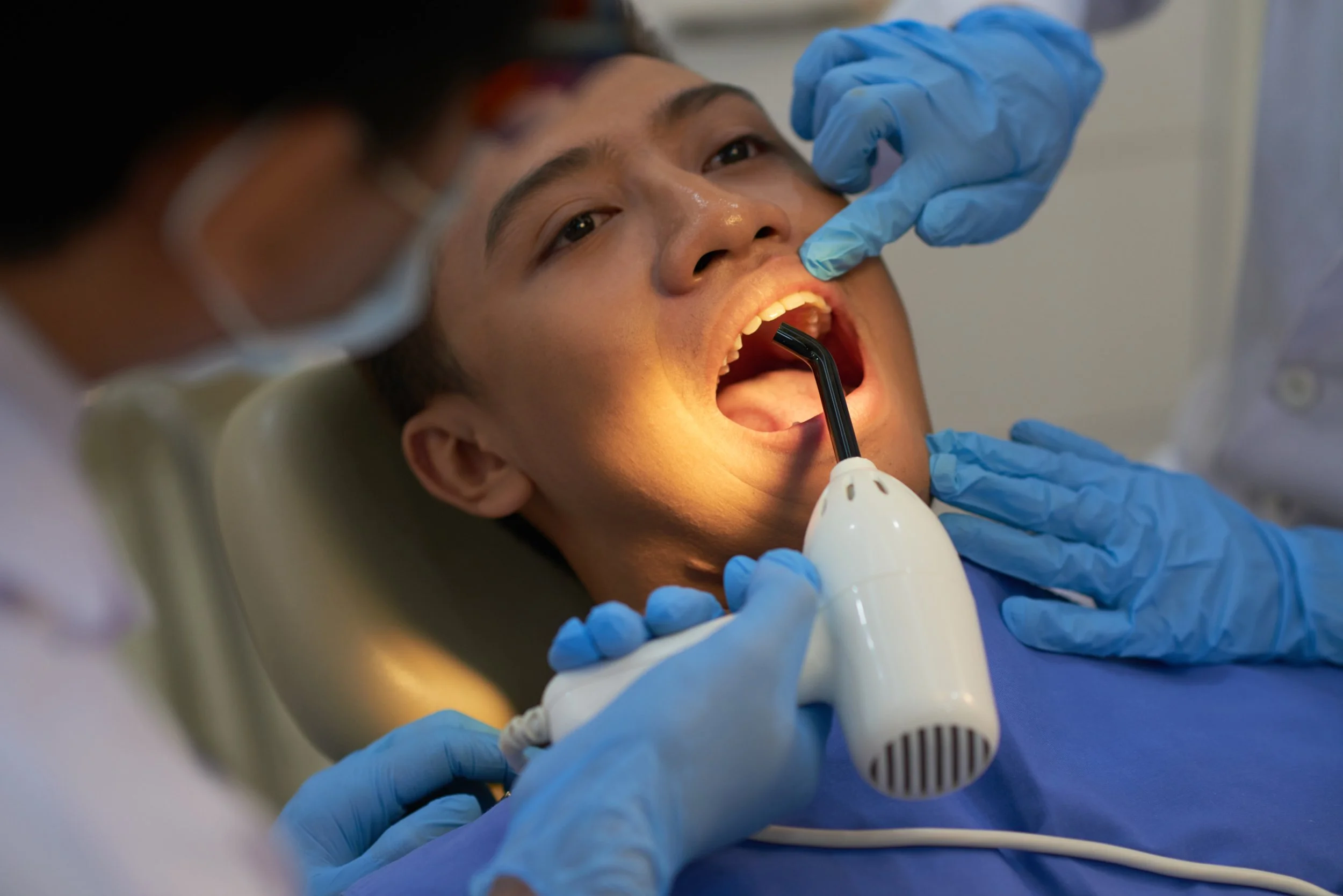
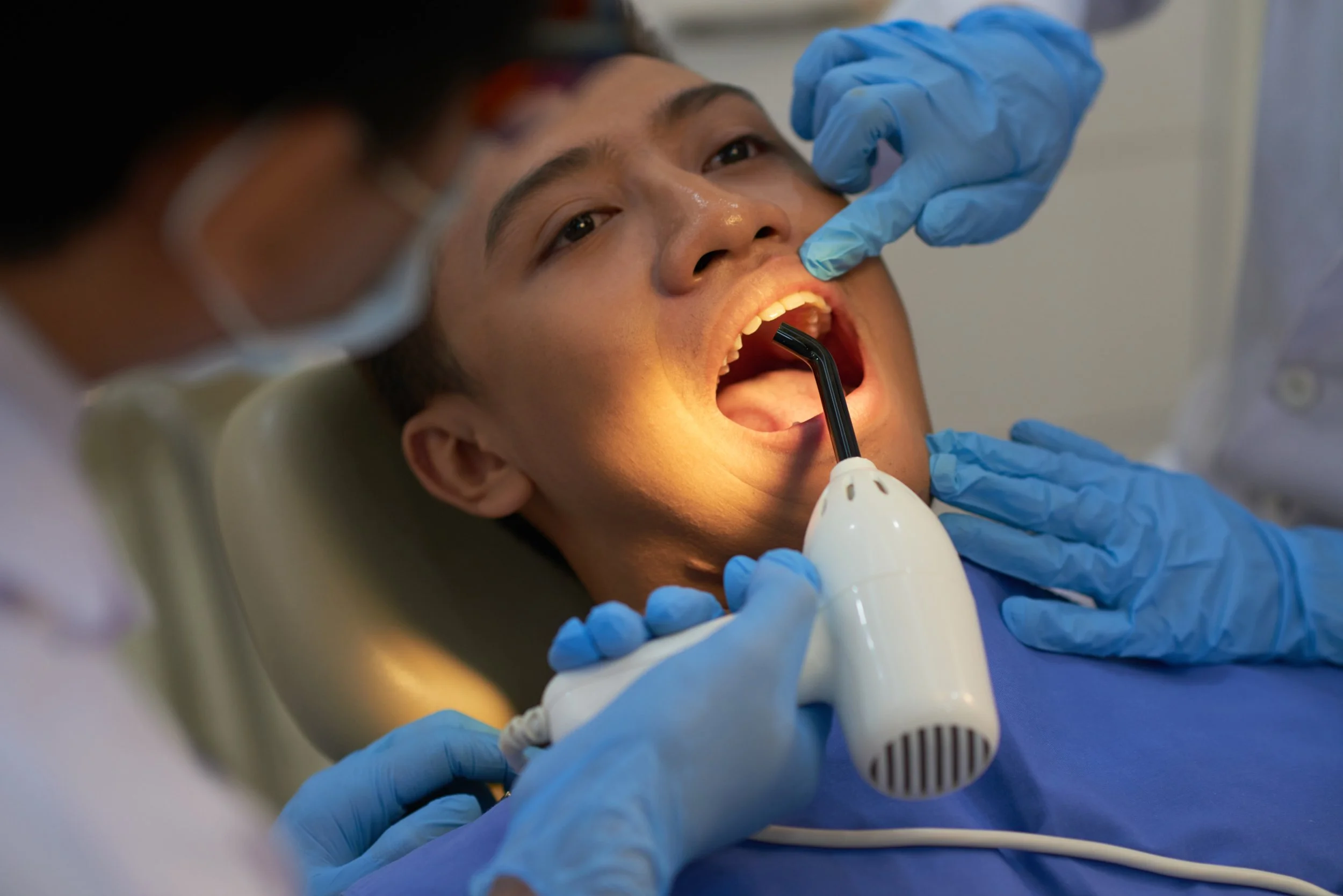
A toothache can make everyday activities such as eating, speaking, working, and sleeping uncomfortable. The pain may start suddenly or develop gradually, depending on its cause. While simple measures can help manage discomfort temporarily, tooth pain can also signal an underlying problem that needs professional attention. Knowing which steps to take can help you stay comfortable while arranging appropriate dental care.
If you are looking for an emergency dentist McKinney TX, it is important to know when home care is no longer enough. Tooth decay, a cracked tooth, gum problems, and dental infections can all cause pain that requires different treatments. Over-the-counter pain relievers and certain home-care measures may offer temporary relief, but they cannot repair a damaged tooth or eliminate an infection. The following six approaches explain ways to manage toothache discomfort safely while you seek dental advice.
Overview of How Toothaches Can Disrupt Daily Life
Individuals can experience tooth pain at any moment, whether severe or constant, and it often feels unbearable.
A June 2025 report from the U.S. National Center for Health Statistics found that tooth disorders accounted for an estimated 1,944,000 emergency department visits annually in the United States during 2020–2022. The report highlights how dental problems can lead to urgent care when pain or other symptoms require prompt attention. Seeking dental assessment early can help identify the cause of a toothache and determine the appropriate treatment.
For individuals, finding emergency dental care near McKinney, TX, becomes crucial when tooth pain interferes with daily life. From work to family activities, tooth pain can slow you down, sometimes leading to bigger issues like infections if not treated promptly.
One of the most common causes of toothaches is tooth decay. Recognizing the signs of tooth decay can help you take early action. That’s why embracing quick treatment remedies is the key to avoiding tooth decay, especially when professional dental care isn't immediately available.
What to Do and Avoid While Waiting for Dental Care
| Situation | What You Can Do | What to Avoid |
|---|---|---|
| Food Triggers the Pain | Choose soft foods and chew on the opposite side of your mouth. | Avoid very hot, cold, sweet, or hard foods if they worsen the pain. |
| Food Is Trapped Between Teeth | Gently floss around the affected tooth to remove debris. | Do not use sharp objects to dig around the tooth or gum. |
| The Tooth Is Chipped or Cracked | Avoid chewing on it and arrange a dental assessment. | Do not try to file, glue, or repair the tooth yourself. |
| The Gum or Face Is Swollen | Apply a cold compress to the outside of the cheek and seek prompt dental advice. | Do not apply heat to facial swelling or place aspirin directly on the tooth or gum. |
| Pain Occurs With Fever or Spreading Swelling | Seek urgent professional care. | Do not rely on home remedies or leftover antibiotics to treat a possible infection. |
Effective Toothache Treatments
If you’re experiencing tooth pain constantly, here are six effective treatments that can provide tooth pain relief:
1: Over-the-Counter Pain Relievers
One of the most immediate ways to manage a toothache is to use over-the-counter (OTC) pain relievers such as ibuprofen or acetaminophen (first take a prescription, whether it suits you or not). These medications help reduce inflammation, which can provide temporary relief.
Be sure to follow the recommended dosage on the package, and remember that while OTC pain relievers can provide temporary tooth pain relief, they don’t treat the root cause. If your pain continues, seeking emergency dental services in McKinney, TX, might be necessary to address the underlying issue.
2: Saltwater Rinse: Nature’s Antiseptic
Rinsing your mouth with saltwater is one of the oldest and most effective natural remedies for a toothache. Saltwater acts as a natural antiseptic, helping to reduce swelling and clean the area around the affected tooth.
To make a saltwater rinse, dissolve a teaspoon of salt in a glass of warm water and swish it around your mouth for 30 seconds before spitting it out. This method soothes the pain and helps keep bacteria at bay. If the pain becomes unbearable, many individuals use salt water as a quick fix while arranging for emergency dental treatment in McKinney, TX.
3: Cold Compress: Immediate Relief from Swelling
Applying a cold compress to the outside of your face near the affected area can provide quick relief. The cold numbs the area, reducing pain and inflammation. For this method, wrap a bag of ice or a cold pack in a towel and apply it to the swollen area for 15-20 minutes. Repeat as needed.
Cold compresses are particularly useful when a toothache is caused by an injury or gum swelling. If the pain continues or worsens after trying these kinds of at-home treatments, choose an emergency dentist for individuals in McKinney.
4: Clove Oil: A Natural Numbing Agent
Clove oil is a popular natural remedy for toothaches because it contains eugenol, which has anti-inflammatory and numbing properties. To use clove oil, soak a cotton ball and gently apply it to the affected area.
Alternatively, you can mix clove oil with a carrier oil like olive oil to avoid irritation. While clove oil provides temporary pain relief, it’s important to remember that this method won’t solve the root cause of the problem. If the pain persists, you may need emergency dental services to diagnose and treat the issue in McKinney, TX.
5: Hydrogen Peroxide Rinse: An Infection Fighter
Hydrogen peroxide is known for its disinfecting properties and can effectively treat bacterial infections that cause toothaches. Mix equal parts of 3% hydrogen peroxide with water, swish it in your mouth for 30 seconds, and then spit it out. This rinse helps reduce bacteria, plaque, and bleeding gums, which may contribute to tooth pain.
However, it’s crucial to avoid swallowing the solution. If an infection causes tooth pain, emergency dental treatment might be necessary to prevent the condition from worsening.
6: Garlic: Ancient Remedy for Pain Relief
Garlic, with its antibacterial properties, has been used for centuries as a natural remedy for pain relief. Allicin, the compound found in garlic, can help fight off bacteria that cause infection or inflammation in the mouth.
To use garlic, crush a clove and apply the paste directly to the painful area. While this ancient remedy can relieve some, it’s no substitute for professional dental care. If the pain persists, visiting a dentist for emergency dental services in McKinney, TX, is crucial.
Conclusion
While these home remedies can provide temporary relief, they are not permanent solutions. If your toothache lasts more than a day or is accompanied by fever, swelling, or trouble swallowing, it may indicate an urgent dental problem and that it’s time to seek emergency dental care in McKinney, TX.
Valley Creek Dental Care offers dental services in McKinney, TX, with a focus on personalized care and helping patients address their oral health concerns. The dental team can assess tooth pain, identify possible underlying problems, and explain suitable treatment options. If you have a persistent or severe toothachee, getting professional advice promptly can help you protect your teeth and avoid complications.
FAQs
1. What is the quickest method to soothe a toothache at home?
A cold compress, saltwater rinse, and over-the-counter pain relievers can be used to reduce inflammation and temporarily numb the area.
2. What is the reason that tooth pain is more severe at night?
Toothaches often worsen at night because lying down increases blood flow to the head, which can intensify pressure and inflammation around the affected tooth.
3. When should I see a dentist for tooth pain?
If the pain lasts more than 24–48 hours, becomes severe, or is accompanied by swelling or fever, it will need professional dental care.
4. Can a cavity cause sudden tooth pain?
Yes, cavities that are not treated will expose the inner layers of the tooth, leading to sharp or throbbing pain during eating or drinking.
5. Is it safe to use home remedies for toothaches regularly?
Home remedies may offer a short-term remedy but cannot substitute for professional treatment in cases where the pain persists.