
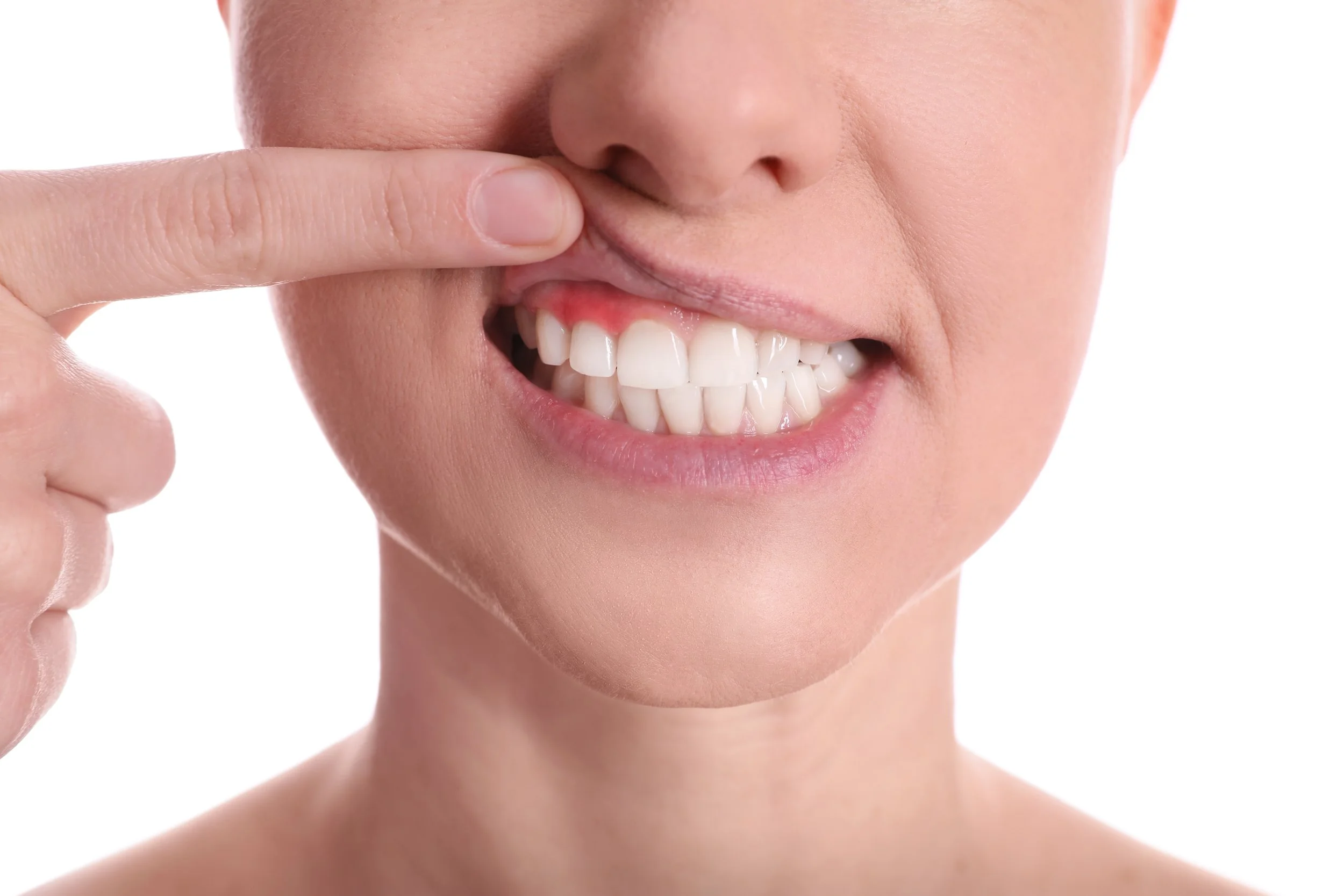
What if the secret to avoiding hypertension, surprise cardiac problems or unexpected foggy thinking was hustling past before falling asleep, completely ignorant that your gums are the first line of defence when it comes to staying healthy? Every second, thousands upon thousands of bacteria are trying to break through your gum line, get into your bloodstream and cause silent inflammation in your mouth. We mainly see brushing our teeth as simply a nuisance.
The mouth isn't just an isolated region; it's a major biological pathway into the body. The presence of plaque in the mouth does harm to more than just the smile. According to the CDC, about 42% of U.S. adults aged 30 and older have periodontitis and roughly 8% have the severe form. Luckily, actions against this situation do not require a lot of money or changes in lifestyle habits. Seven simple steps will help you protect your gums and teeth and stay healthy for a long time.
1. Gently Brush Twice Daily for Two Minutes
Using a stiff-bristled brush to clean your teeth vigorously may appear to be the correct approach, but it may harm your enamel. The first problem with such hard brushing is that it can lead to gum recession and expose sensitive nerve endings in your mouth.
It is best to use a toothbrush with soft bristles held at an angle of 45 degrees during tooth brushing near your gums while using a light circular motion to remove food and plaque without irritation.
2. Make Daily Flossing Non-Negotiable
40% of the dirt lies between your teeth where a toothbrush cannot possibly reach.
Flossing uses thin tape, either waxed or unwaxed, to remove food particles lodged between teeth before they harden into tartar. If string floss seems unwieldy, try using dental picks or a water flosser. Talking to a McKinney dentist can help determine the flossing method that will work best for you.
3. Hydrate with Water Throughout the Day
Water serves as the most efficient cleaning substance for your mouth. Consuming water during the day can eliminate food debris from your mouth and also prevent your mouth from drying out.
Saliva includes vital minerals that replenish tooth enamel and inhibit bad bacteria. Therefore, drinking clean water right after having food will help restore the status of the mouth.
4. Keep Your Intake of Sugars and Acidic Foods Low
The bacteria present in the mouth feed off any sugars and starches that you consume. They produce acid, which causes the enamel of your teeth to erode over time.
Try to stay away from drinks such as sodas, energy drinks, caramels and frequent carbohydrate-based snacks. After eating a sugary product, immediately drink a lot of water. If you want to know the safest options for whitening your teeth, consult a professional teeth whitening guide.
5. Never Use Your Teeth as Tools
It can be very tempting to tear open a tough plastic bag or rip off labels using one's teeth. Nevertheless, acting this way can lead to many issues with the teeth, such as chips, cracks and breaks in the enamel.
In reality, teeth were designed for chewing. Hence, one should resort to using scissors or any other special tool if the need arises.
6. Protect Your Teeth Night and Day
Should you wake up with pain in your jaw or a headache after sleep, it is possible you are a teeth grinder or clencher at night, as teeth grinding can result in tremendous strain on the teeth and may also wear them down over time.
Getting a custom-made night guard will relieve your teeth of this pressure while you sleep. You may also use a mouthguard in case you play contact sports – it prevents you from ever getting your teeth hit/knocked out of place.
7. Be Consistent with Professional Dental Visits
Even though following a good regimen for home care may help you maintain clean teeth, it does not mean that you will be able to remove tartar already formed on your teeth. The only way to be able to remove any tartar from your teeth is to visit your dental hygienist regularly, at least once a year.
It is also important to mention that regular visits to the dental office allow the specialists to identify possible problems that may arise in your oral cavity, including gum diseases and cavities, before they progress and bring you pain. If you consider getting a good professional teeth whitening guide, it will also contribute to keeping your smile for a longer time.
Taking Action for Your Long-Term Oral Health
It takes time to develop strong habits, but every good decision that you make today will continue to give you results in the future. From doing regular brushing and flossing to drinking a lot of water, little things can lead to something much greater when it comes to health care. Taking care of your teeth and gums does not require complex procedures or expensive options but simply consistency and care. Once you take care of your mouth, you will allow your whole body and organs to enjoy a higher level of comfort, fresher breath and more confidence.
The smile you have is your asset for life and needs proper care and special expert attention for it to look good and strong. Choosing professionals such as Valley Creek care can ensure that your teeth and gums remain in the best condition possible throughout your life. You can effectively manage your oral health, making sure to avoid painful problems in the future and show off your beautiful smile.
FAQ
When should I replace my toothbrush?
Toothbrushes, electric brushes and other types should be replaced every 3-4 months. However, if the bristles are worn before that time or if you have recently suffered from a cold, you should change it right away to prevent germ spread.
Are electric toothbrushes preferable to manual toothbrushes?
Both types perform well when used properly. However, electric toothbrushes generate micro-vibrations that make it easier to remove plaque and they can also be helpful for those having arthritis as well as those who usually apply too much pressure while brushing.
Why are my gums bleeding when I use floss?
When you see blood on the floss, it's typically an early indication of gum inflammation or minor gum disease called gingivitis. Once you start flossing daily and brushing your teeth with care, the bleeding should stop after one or two weeks of oral care.