
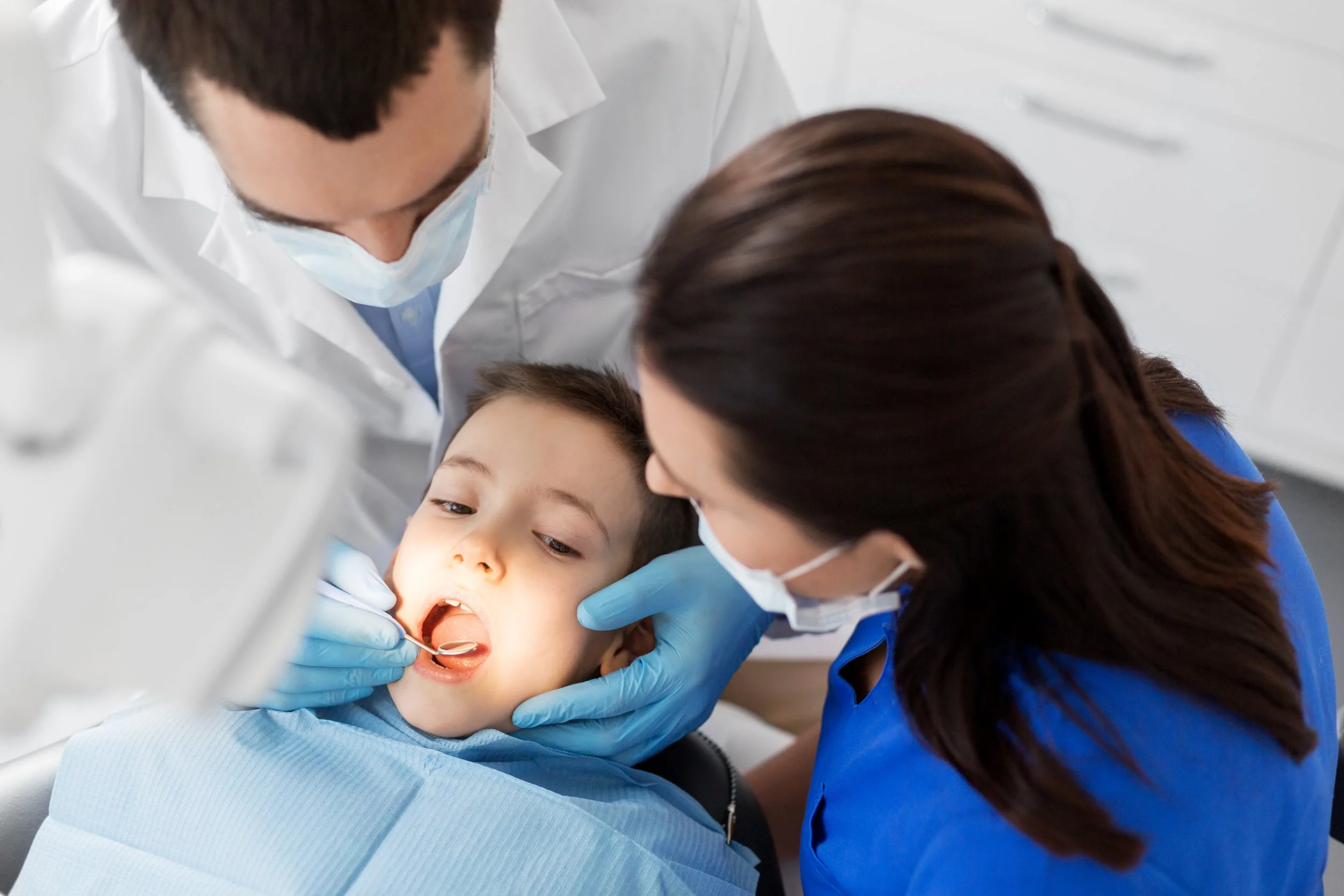
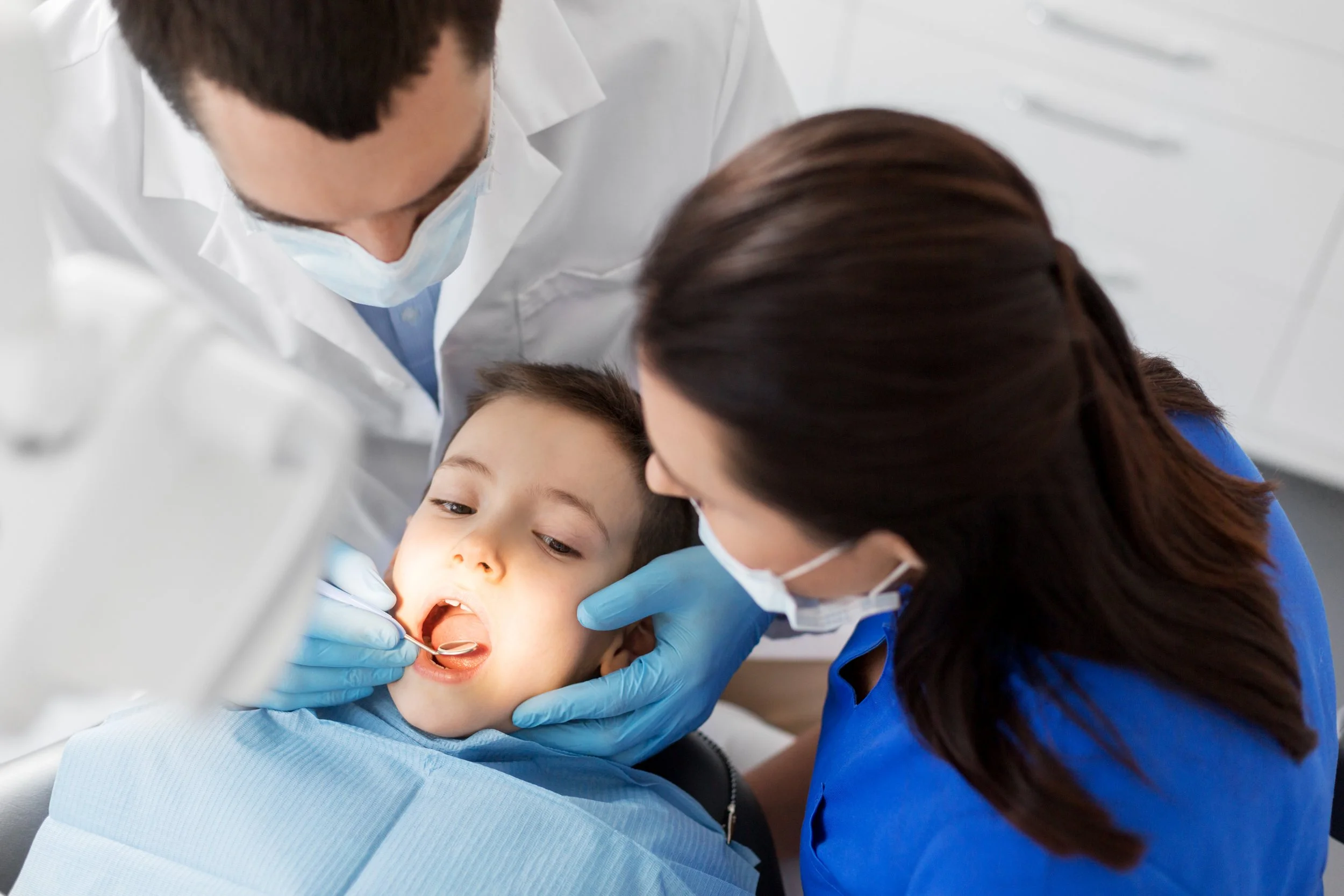
The development of a child's teeth and jaws is fast in the initial years, thus regular dental checkups are necessary for optimal development. Baby teeth play a significant role in chewing food, speaking properly, and maintaining proper spacing for adult teeth to emerge.Dental care for children at different stages of development is the concern of pediatric dentistry. Pediatric oral development care involves keeping track of tooth development, alignment, and jaw development through preventive dental practices. Dentists advise parents about age-specific dental habits and practices that promote optimal oral health development. Knowledge about the benefits of pediatric dentistry in the development of a child's teeth and jaws is essential for parents.
6 Ways Pediatric Dentistry Supports Healthy Tooth and Jaw Development
Healthy oral development involves much more than preventing cavities. Regular pediatric dental visits allow dentists to monitor changes as children grow while providing care that supports healthy teeth, proper jaw development, and long-term oral function.
1. Monitors Tooth Eruption and Growth
There is a certain schedule when it comes to tooth development in kids. However, every kid develops at his or her own pace. The role of regular pediatric dental care visits is to track when baby teeth start to appear, when they start to fall off, and when permanent teeth start to appear. Regular visits will be helpful in identifying any abnormality in their appearance and development process.
2. Supports Proper Jaw Development
It is important to have healthy development of the jaw because it leads to proper alignment of the teeth and normal function of the mouth. In children, pediatric dentists check on the development of the jaw through regular examinations. They will also examine the way the teeth align themselves whenever new teeth develop.
3. Detects Bite and Alignment Concerns Early
The alignment of the bite can be altered as children grow and their mouths develop. Dental examinations will help the pediatric dentist detect any issues such as spacing, crowding, crossbite, or other forms of misalignment that may require further evaluation. Early detection and continued monitoring can help determine whether further evaluation or treatment may be appropriate as the child develops.
4. Protects Baby Teeth Until Permanent Teeth Are Ready
Baby teeth have a very crucial function before adult teeth emerge. Baby teeth help the child to eat well, speak clearly in a way they can be heard and maintain spacing, which will allow adult teeth to grow properly. Pediatric dental visits help protect primary teeth through preventive care, early detection of decay, and guidance tailored to the child’s needs. According to the Centers for Disease Control and Prevention (CDC), over 52% of children aged 6 to 8 have had a cavity in their primary (baby) teeth.
5. Encourages Healthy Oral Habits During Growth
Healthy oral habits developed during childhood can create a strong foundation for long-term dental health. Pediatric oral development care ensures that one has healthy teeth and gums and the dentist gives age-specific guidelines depending on their level of development.
6. Provides Guidance for Every Stage of Development
Each child is unique in its development, and its dental needs keep changing. The pediatric dentist takes charge of the oral development and answers the queries of parents about the sucking of the thumb, pacifiers, teeth growth, changes in the bite, etc. Personalized advice helps parents know what is normal and what needs attention. This process will guide healthy development from early childhood up to teens.
Monitoring, prevention, and personal advice all play a role in ensuring healthy tooth and jaw development. Early detection of any problems and guiding towards good development will ensure that the pediatric dentistry McKinney helps your child have a good foundation for good oral health in life.
Everyday Habits That Support Healthy Tooth and Jaw Development
Effective dental treatment will only be provided through good practices at home. The following practices can help maintain healthy tooth emergence, jaw development, and oral development.
Brush teeth twice a day with fluoride toothpaste suitable for your child’s age.
Floss on a daily basis once the adjacent teeth touch each other.
Ensure your child eats nutritious meals with plenty of calcium and other vitamins.
Cut down on sweets to minimize tooth decay.
Always wear a mouthguard while playing sports.
Visit the pediatric dental clinic regularly based on your dentist’s recommendations.
Consult your dentist in case your child’s bite, chewing, and tooth formation change.
Good daily care together with dental checkups will help your child develop strong and healthy teeth and jaws in the future.
Supporting Healthy Smiles Through Every Stage of Growth
Oral and jaw development is vital for a kid to be able to bite, speak, and smile. Consistent checkups help to track this development process as well as ensure healthy development through preventive treatment and guidance. Attention paid to oral development will decrease the chances of encountering more complicated oral issues later in life. Developing good oral habits at a young age is a key factor in creating a solid oral health base.
Every kid has different oral health requirements that require special care. Routine examinations help track the development of the kid's mouth as he or she grows up. At Valley Creek Dental Care, we offer personalized pediatric dental care that corresponds to every particular stage of development of your kid. Book an appointment with us to learn more about how personalized pediatric dentistry can help your kid have a healthy smile.