

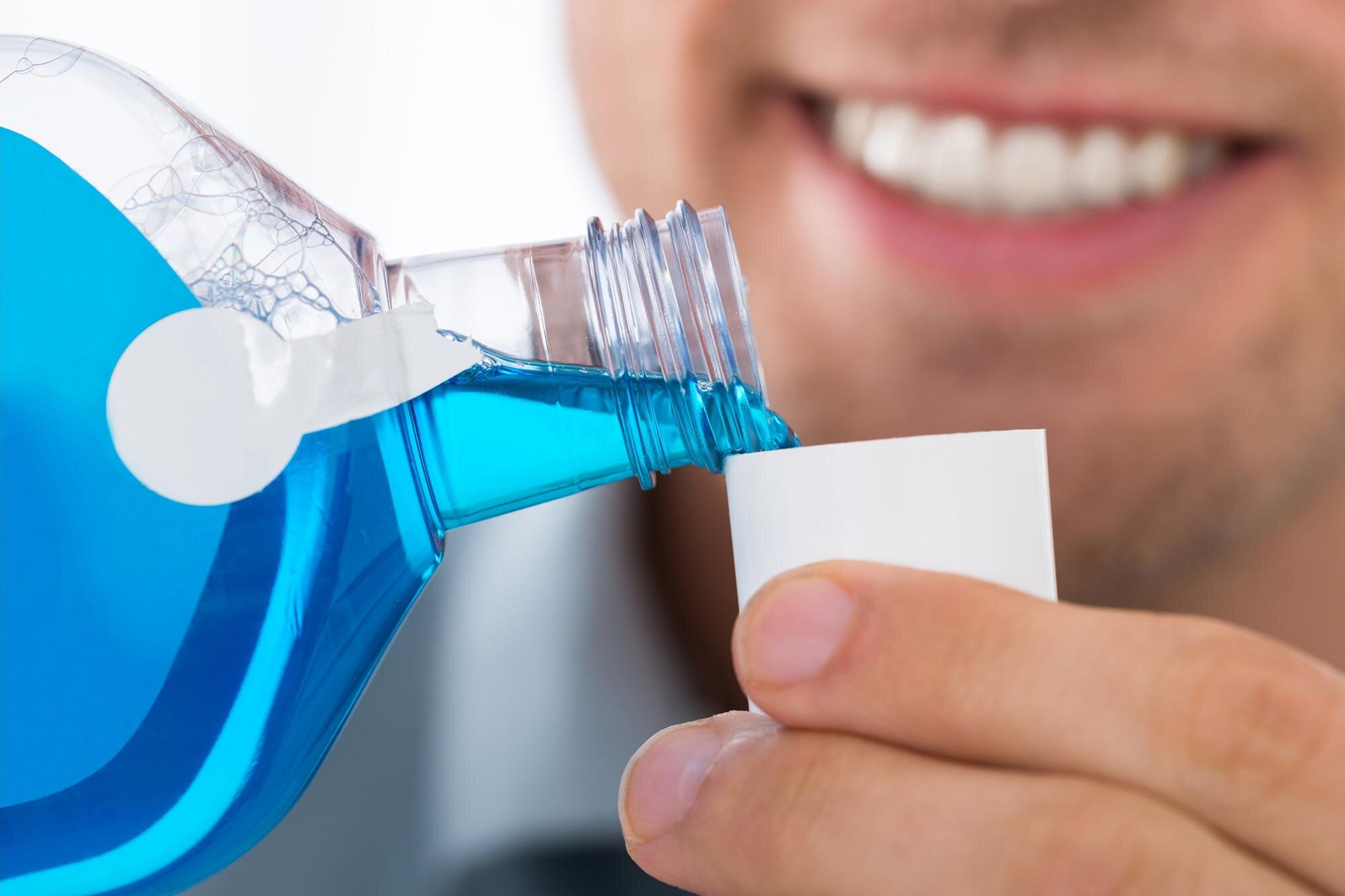
Alcohol vs. Alcohol-Free Mouthwash: Know The Difference

Mouthwash.jpg

Whether to get a fresh breath between the appointments or to have more cavity protection, mouthwash is always handy to boost our oral care routine. Choosing the mouthwash for our needs raises an excellent question: What is the right mouthwash? Do we need a non-alcoholic mouthwash? 

Most of the mouthwashes we see in drug stores consist of alcohol and, specifically, ethanol. Alcohol causes a burning sensation, brings unpleasant taste, and dryness to the mouth. In addition, alcohol not only destroys harmful bacteria but good bacteria as well. Meaning, unless we are regularly using mouthwash, a lot of opportunities for bad breath will build up, generally, because of bacteria imbalance occurrence. However, alcohol-free mouthwash targets bad bacteria rather than good, and hence, creates an optimum balance of bacteria to avoid further complications and combat bad breathing problems. 

People with xerostomia (dry mouth) or otherwise low saliva flow because of medicinal side effects, diabetes, radiation therapies, and systemic diseases like Sjogren’s syndrome can all recover by using an alcohol-free mouthwash. Additionally, alcohol-free mouthwash is beneficial for people with an alcohol abuse history. 

Other than these conditions, BioMed Research International suggests that alcohol-free mouthwash complements gloss, color, hardness, and tooth composite restorations than alcohol-based mouthwashes. 

Nonetheless, alcohol-free mouthwashes effectively prevent dental diseases and freshen the breath as well. But mouthwash should not replace brushing or flossing. Mouthwash complements brushing and flossing to improve your overall oral health care. 

Valley Creek Dental Care, dentist Mckinney TX, recommends a wide range of options of alcohol-free mouthwashes for improving your overall dental care regime. However, there’s still an unheard question:

Why Do Most Mouthwash Contain Alcohol?

  • Ethanol constitutes almost every mouthwash. It can kill germs and bacteria in our mouths. It prevents bacterial plaque development that further reduces the chances of getting gingivitis and other gum diseases. 

  • It helps our mouth oils like menthol, eucalyptol, methyl salicylate, and thymol to dissolve in a better way. 

  • The overall rinsing with an alcohol-based mouthwash gives a positive impetus to your oral hygiene and refreshes your breath. 

The Downsides Of Alcohol Mouthwash-

  • Ethanol’s concentration of up to 25 percent can cause burning sensations in the mouth and possibly kill every bacteria. And thus, imbalances the whole system. 

  • Although, some people enjoy the sensation as it creates the impression of getting your mouth extra clean. However, in reality, ethanol provides a drying effect to your mouth. 

  • Additionally, there are some alcohol mouthwashes having chlorine compounds as their substituents. Chlorine is a very acidic salt. It not just kills the germs but can cause tooth staining as well. If someone uses chlorine for long, there are chances of taste buds getting affected. 

Alcohol-Free Mouthwash

Since not hundreds but thousands of mouthwash options are available in the market. Now it is upon you to decide whether to use the old alcohol version or incorporate an alcohol-free version of mouthwash in your daily oral health care realm. People who like burning sensations can opt for the alcohol version. However, others can switch to alcohol-free mouth to have substantive medical benefits. 

However, avoid ethanol-based mouthwash if-

  • You are experiencing Xerostomia- Xerostomia or commonly known as dry mouth causes due to low saliva flow. Using ethanol mouthwash will give impetus to xerostomia. Hence, it is advisable to use alcohol-free mouthwash regularly. 

  • You have burning mouth syndrome- Alcohol mouthwash creates a burning sensation that can further exacerbate the symptoms of burning mouth syndrome. It may cause several other oral irritations as well. 

  • Your gums are sensitive- If you are already using special toothpaste for your sensitive gums, ensure you choose a gentle mouthwash or as directed by your dentist. 

  • You are pregnant- No quality of alcohol is safe for any pregnant woman or unborn baby. Hence, make sure to use alcohol-free mouthwash while you are pregnant. 

  • You have diabetes- Diabetes causes dry mouth, gum inflammation, and mouth sensitivity which can cause swishing with mouthwash, a painful experience. 

  • You share your mouthwash with a child- Alcohol-based mouthwash can be dangerous for children as it can cause extreme illness. Hence, the use of alcohol-free mouthwash would be the best choice for your child. 

  • You are recovering alcoholic- Alcohol mouthwash can trigger a relapse for a person you have been recovering from alcohol abuse. It is better to choose an alcohol-free mouthwash for such people.

Types of Alcohol-Free mouthwashes-

Alcohol-free mouthwashes prevent our mouth from getting periodontal diseases, drying, tooth decaying, halitosis, plaque, and tartar growth. They can whiten your teeth as well. Whenever you are choosing alcohol-free mouthwashes, look for the following ingredients:

  • Fluoride- It is a naturally occurring mineral. It strengthens our enamels and prevents our teeth from cavities and decay.

  • Cetylpyridinium chloride- It is an antiseptic that kills plaque-causing bacteria and other microorganisms. 

  • Chlorhexidine gluconate- It has antimicrobial properties that reduce plaque and inhibits gingivitis.

  • Hydrogen peroxide- It is also known as carbamide peroxide. It is a bleaching agent that helps whiten the teeth. 

  • Natural ingredients- Natural ingredients such as aloe vera have antibacterial and antifungal properties that help fight plaque. 

There is no denying the fact that alcohol-free mouthwashes help in improving the overall dental care regime. But that should never replace flossing and brushing. Always go for a mouthwash that would complement your regular oral health routine. Ask your dentist to get mindful of various alcohol-free mouth rinses options for improving your oral health.


Dry Mouth- All You Need to Know About Causes, Symptoms, and Treatments

We all have salivary glands inside our mouths responsible for producing saliva and keeping it wet. Saliva is essential for our oral health as it helps in chewing, eating, and swallowing. It also helps in breaking down the food particles and digesting them. Apart from this, it prevents some oral diseases, such as tooth decay and infections. 

There are mainly two salivary glands inside our mouth: the major salivary glands and the minor salivary glands. The major salivary glands are the largest and responsible for producing the most saliva in your mouth. The minor salivary glands are too small found in the tongue linings, lips, and roof of the mouth. You can’t see them with your bare eyes. They are available in hundreds of numbers inside your mouth.   

If these salivary glands stop producing enough saliva, you may develop a dry mouth and feel uncomfortable in your mouth. Although the dry mouth is not a severe health condition, it may cause many other health problems. 

What is Dry Mouth? 

Dry mouth (also called xerostomia) is an oral health condition in which your salivary glands stop producing enough saliva. It dries your mouth and creates difficulty in chewing, eating, swallowing, and even digesting the food. Moreover, you may feel uncomfortable when opening and closing your mouth and speaking. 

Dry mouth may occur due to many different causes. Consumption of certain prescription medications, side effects of certain treatments, and aging are some of the most common causes. 

Possible Causes 

Some of the possible causes of dry mouth include:

Aging- Many older adults experience dry mouth. The ability to function of their body parts, long-term illnesses, and too much consumption of medications are the biggest reasons behind this. Apart from this, inadequate nutrition and an unbalanced diet are other common causes. 

Consumption of Prescription Medications- Consuming specific prescription and non-prescription medications may cause dry mouth. Some of those medications include:

  • Anxiety and depression pills 

  • Pain and high blood pressure medications

  • Antihistamines 

  • Decongestants

  • Muscle relaxants 

Certain Diseases and Health Conditions- Certain health conditions, such as yeast infection, diabetes, stroke, and autoimmune diseases, also cause dry mouth. It is considered a side effect of these health conditions. If you have any of these health problems, you are at a high risk of developing a dry mouth. 

Cancer Therapy and Radiation Treatments- Cancer therapy (chemotherapy) and radiation treatments to your neck and head can make a significant difference in your salivary glands. They may damage your salivary glands and reduce the amount of saliva production. This may automatically get back into its normal condition after the treatment period, but sometimes, it may stay permanent. 

Recreational Drug Use- Recreational drug use, including Marijuana, can cause severe dry mouth and other oral health problems. 

Nerve Damage- Your neck and head have a direct connection to your mouth. If an injury occurs around your head and neck area, causing nerve damage, it can result in dry mouth. 

Breathing Through Your Mouth- Snoring while sleeping and breathing through your mouth are other common causes of dry mouth. 

Common Symptoms

If you have a dry mouth, you experience the following signs and symptoms:

  • A dry and sticky feeling inside the mouth

  • Cracked lips

  • Dry throat

  • Thick saliva

  • A dry and cracked tongue

  • Bad breath

  • Change in taste

  • Difficulty in speaking 

  • Thirstiness

  • Mouth sores

  • A burning sensation in on the tongue

  • Difficulty in chewing, eating, and swallowing

Some of these symptoms can also be associated with other health problems. You need to see your McKinney dentist to determine whether your symptoms are associated with a dry mouth or any other health problem. 

Treatments/ Medications/ Home Remedies 

Some of the effective dry mouth treatments, medications, and home remedies include:

Change in Medications- If the medical report of your mouth examination tells that consumption of certain medications causes your dry mouth, the medical expert will either reduce your dose or switch you to other medications.

Over-the-Counter Products- OTC products, such as mouthwash, sugarless gum, artificial saliva, and moisturizers, are another effective way to treat dry mouth. The medical experts may advise you to use them regularly. However, these products are not proven to treat dry mouth, only to relieve it.  

Saliva Production Medications- Your doctor may prescribe medications to produce salivae, such as cevimeline (Evoxac) or pilocarpine (Salagen). These medications are effective in stimulating the salivary glands for saliva production. 

Drink Water- According to medical experts, dehydration can also cause dry mouth. If you drink more and more water and stay hydrated, you can avoid dry mouth and related mouth problems. 

Improving Overall Oral Care- Your overall oral health also contributes to saliva production. If you do not keep your mouth fresh and clean, you may develop a dry mouth. So, focus on regularly performing all the essential oral care activities. And make sure you visit your dentist at least once a month. It will help detect existing problems and prevent them.

Avoid Medications- According to studies, most dry mouth cases occur due to too much medication consumption. If you are one of those who regularly take medications, you are at high risk of developing a dry mouth. Consult your medical specialist regarding the same. He, she will advise you to avoid certain medications, such as:

  • Antihistamines

  • Bronchodilators

  • Hormone medications

  • Antihypertensives

Avoid Smoking, Tobacco, and Alcohol- Many studies found that consumption of tobacco, alcohol, caffeine, sugar-containing edibles and smoking habits cause dry mouth. You have to avoid these dehydrating habits to prevent the development of a dry mouth. 

Use a Humidifier- Many medical experts believe that breathing in humidity can significantly improve the symptoms of dry mouth. Although it is not proven to cure dry mouth, it can give you relief to some extent.

Use a humidifier to create humidity in your environment. It will surely help you to some extent. 

Conclusion

Dry mouth is not a severe oral disease, but it may lead to other serious health conditions. It should be treated as soon as possible with appropriate treatment and preventive measures. At Valley Creek Dental Care, we provide you a wide range of dental and oral care services that help prevent dry mouth development. Apart from this, you can get a consultation from our expert dentist regarding the same. 


Mint: A Boon For Your Dental Health Care Regime!

pediatric-dentist.jpg

Our teeth reflect the overall health of a person, and hence we must maintain them for life. When we properly chew food, our body absorbs the nutrients more efficiently. Also, the combination of a healthy tooth and gums give a great smile. However, many people are not aware that oral examinations within six months are crucial for maintaining oral hygiene. Because early detection of oral problems avoids chronic gum diseases hence, it is a part of preventive healthcare. 

Importance of Regular Checkups

  • Early assessment of your oral problems will keep your mouth healthy. 

  • You might not require invasive treatments later on.

  • Signs of decay get noticed at an early age. Hence, they are quicker and easier to treat. 

  • Your dentist will recommend a proper oral health regime to avoid any significant problems. 

  • The dentist will also take care of your fillings and crowns at the time. 

The Tooth Anatomy-

Adults have permanent dentition consisting of 32 teeth on it. 

Dentition refers to the arrangement and development of teeth in our mouth. Dentition is a custom arrangement of teeth in a particular species at a specific age. 

The permanent dentition has different types of teeth based on their size and roles in each jaw.

  • Four incisors- They are the four middlemost teeth present on both jaws. They do all the cutting, holding, and chewing of the food. They have thin and wide cutting sections, and therefore, they provide carved-shaped edges. 

  • Two canines- They are present on either side of the incisors. Their work is similar to incisors, i.e., holding and tearing of food. 

  • Four premolars- They have two cusps and are thus called bicuspids. Also, they have a couple of elevations that help in crushing food. 

  • Four molars- They are present at the rear side of the mouth. Molars have more than two cusps that do the food grinding part. 

  • Third molars ( wisdom teeth)- Wisdom teeth come after the age of 18. Many people remove them as well. Nonetheless, there are many causes of removing third molars. And thus, some people have 28 teeth only. 

Now that we are familiar with the anatomy of our teeth, we must decide on the best toothpaste, dental floss, and mouthwash for keeping our teeth fresh and healthy. Many pediatric dentist Mckinney recommends mint as a part of our regular oral health care realm. 

Choose the best Toothpaste!

  • Dentists recommend toothpaste that contains menthol as a compound. Menthol has excellent teeth cleaning properties along with cooling sensations.

  • A fragrant and refreshing plant, mint has menthol in it. Adding mint in toothpaste does not only provide you with clean teeth but also a fresh breath. The menthol properties of the mint stimulate our brain that further interprets stimuli as a cooling sensation. We relate those sensations with minty freshness.

Importance Of Mint

Many clinical studies suggest that mint has anti-microbial and anti-inflammatory properties that keep our mouth healthy and germ-free. Mint also gives the impetus for saliva production that helps in better digestion. Following are the various benefits of mint:

It Provides Nutrients

  • Mint offers various vitamins and minerals that our body requires. The plants in the mint family are rich in Vitamin A, iron, and folate. Vitamin A and Iron are good for our overall health. However, folate particularly has its role in maintaining dental health. Folate helps in better functioning and growth of cells, and hence it supports pregnancy as well. But the hitch is to have the mint in a proper quantity. 

  • Mint also has antioxidant properties. The antioxidants help the body recover cellular damage and give impetus to healthy cell growth as well.  

Helpful For Curing Swelling

  • Since mint has anti-inflammatory properties, it helps in curing swelling gums. 

  • If we apply a mint-infused solution to our bleeding gums, its antioxidant properties work to counteract them. Specifically, menthol kills the bacteria causing gingival bleeding. Mint solution can be your cold mint tea. Nonetheless, mint mouthwashes can do wonders for you!

Ease Indigestion

  • As per research, mint relaxes gastrointestinal (GI) tissue that addresses lower GI problems containing irritable bowel syndrome(IBS). However, mint should be taken in an optimal quantity, as it can increase the issues of upper GI if taken in a large amount.  

  • Mint eases indigestion by stimulating the bile secretion. Mint produces more saliva in our mouth, and the saliva is the digestion-starting of our mouth. The saliva produced also helps in protecting the tooth. 

  • The habit of eating a mint leaf after a meal helps to subside the issues of bloating and gas. 

Mint Kills Germs

  • Mint is naturally an anti-microbial plant. So when we chew the mint leaves, bacteria contributing to tooth decay by feeding sugar to our mouth succumbs. Hence, one must involve mint in their daily oral care realm.  

  • We have understood that mint gives impetus to the production of saliva. The saliva produced acts as a natural mouthwash rinsing away the food stuck in our teeth and inhibiting further bacteria growth. 

  • As per many reports, the saliva produced by chewing herbal leaves contains more bicarbonates and calcium. These minerals help in maintaining the optimal pH levels of our mouth. 

  • Optimal pH levels are mandatory to counteracting the results of eating acidic food and drinks. Furthermore, it contributes to remineralizing the tooth enamels. 

Mint For Overall Health

By now, we have become familiar with why many dentists recommend mint in toothpaste, floss, mouthwash, and another dental care regime. Nevertheless, the mint plant also has various vitamins and minerals that help regulate blood pressure, oxidative stress, migraine, nausea, and numerous other issues. 

  • Mint contains rosmarinic acid that helps regulate lower blood pressure. So if you are experiencing high blood pressure issues, mint will cover you up!  

  • Likewise, a species of the mint family, called spearmint, has antioxidant characteristics that help combat oxidative stress, migraine, and anxiety. 

  • Similarly, peppermint eases the problem of nausea caused due to indigestion. Additionally, it expands the pain threshold of the body and thus soothes anxiety. 

Mint and mint toothpaste are comfortably available in the markets. However, if you wish to grow it, you can grow it in a container or pot. Adding mint to your eating habits will more likely be a boon for your taste buds and to your health as well.   


The Importance of Brushing and Flossing Your Teeth

Brushing and flossing your teeth are the most basic routine dental care practices. They are equally important to your oral health and well-being. The doctors advise you to perform these two dental care practices daily. 

According to the American Dental Association (ADA), you should brush your teeth for at least two minutes, twice a day. It also recommends you floss between your teeth at least once a day. However, you can do flossing whenever you feel food particles are stuck between your teeth. 

The Importance of Brushing Your Teeth 

Brushing your teeth is the most effective dental care practice. When you brush your teeth, it helps remove food particles, yellowness, and plaque (a sticky layer of small food particles containing bacteria) from your mouth. 

Plaque and bacteria in your mouth are the most harmful things to your oral health. When you consume high sugar content, the bacteria in your mouth activate with sugar and produce acids that weaken your tooth enamel. Moreover, it causes many other dental and mouth problems, such as:

Tooth Cavity or Tooth Decay- Tooth cavity refers to the permanent damage to your tooth caused by plaque, bacteria, and germs. This damage later develops into tiny holes that cause tooth decay. 

You may not notice any symptoms of tooth cavity in the initial stage. Later, you may experience toothache, infection, and loose teeth. You must see a McKinney dentist regularly to know if you have a cavity in your teeth.  

When a tooth cavity occurs, it is often painful and may lead to other general health problems. Also, getting a tooth cavity treatment doesn't give a good experience. Therefore, you should prevent tooth cavities from developing in your mouth. Proper brushing your teeth regularly plays a crucial role. 

Tartar- Plaque also causes tartar, a hard calcified deposit that forms on your teeth and gums. It makes it harder to keep your teeth clean as it does not come off quickly. 

Tartar spoils your teeth’ appearance, smile, and facial expressions. It also causes some other dental and mouth problems, such as gum diseases and inflammation. 

Mouth Infection- Mouth infections are another mouth problem that occurs when you let the plaque stay in your mouth for a longer time. Some of the most common symptoms of mouth infections are:

  • Bad breath 

  • Toothache 

  • Fever

  • Sore mouth

  • Bitter taste 

  • Gum inflammation

  • Swollen jaw

Apart from these three mouth problems, tooth loss, abscessed tooth, and periodontal diseases can occur due to plaque. So, it is essential to remove plaque from your mouth by brushing your teeth twice a day. 

According to certified dentists, you should use fluoride toothpaste and a soft-bristled toothbrush to brush your teeth. They are effective to clean and freshen your mouth. 

The Importance of Dental Flossing

The practice of flossing your teeth is also essential for maintaining your good oral health. It helps remove small food particles that are stuck between your teeth. 

Doctors advise you to floss your teeth regularly alongside brushing. But only a few people take their piece of advice seriously. What about you? Do you regularly floss your teeth, or are you among those who do not even consider dental flossing? 

Practicing dental flossing is good oral health. It keeps many dental and mouth problems away. 

Here are some mouth problems you may experience due to food particles that are stuck between your teeth. Check them out here!

Difficulty in Chewing- Will you have ever experienced difficulty chewing due to food particles stuck between your teeth. If yes, you better know how frustrating and irritating it is. It feels like there is some kind of intense pressure between the teeth. 

When you experience this kind of problem in your mouth, you cannot distract your mind from that point, even willingly. Although it is not a severe dental problem, it can worsen if left untreated. 

Discomfort and Disturbance- The stuck food particles between your teeth are no less than a toothache. You will experience discomfort and disturbance unless you use dental floss to remove the food particles between your teeth. 

Toothache- If the stuck food particles are bigger, they may cause toothache. However, the toothache caused by such problems is bearable, but you cannot leave it untreated. 

Bleeding Gums- Bleeding gums is another severe mouth problem that may occur due to stuck food particles between your teeth. However, in most cases, people do not experience this problem. It mainly happens when you try hard to remove those food particles between your teeth using inappropriate techniques. 

You can avoid all these mouth problems by flossing your teeth daily, especially after having your daily meal.

How to Floss Your Teeth? 

Here are some instructions to floss your teeth correctly. Check them out below!

  • Break off some part of your dental floss. It should be 18-24 inches long. 

  • Then, wind most of the dental floss around your thumb and index finger, leaving 1-2 inches-long floss to make it pass through between your teeth. 

  • Next, hold the floss firmly and place it between the teeth to remove stuck food particles. Gently move the floss up and down, rubbing the sides of both teeth. Keep the floss away from gums as it can scratch or bruise them. 

  • Repeat the steps to make the floss pass through every tooth. 

You can also use a dental floss tool to floss your teeth. 

Apart from this, an oral irrigator or water flosser is also effective in removing food particles stuck in your teeth. It is an at-home flossing device, also used for removing plaque formed around the gum line. 


Most Common Dental Emergencies That Need Immediate Attention

When it comes to dental emergencies, we always rush to our regular hospitals and emergency room doctors. We believe that they could help us in treating our dental problem, but the fact is that they are just equipped to deal with pain and any oral bleeding. For a detailed treatment of your dental problem, they would recommend you to an emergency dentist McKinney TX who knows well how to provide proper dental treatment to your problem.

Dental emergencies are one of the reasons why you should see a dentist for regular dental checkups. Choosing a dentist familiar with your complete dental profile and health history would be a great option. A dentist knows how to treat a sudden dental emergency in your case. Moreover, your dentist will likely be able to see you within 24 hours if you receive urgent dental care from their facility.

But still, many reluctant patients avoid visiting the dentist even when they are in a lot of pain. Please don’t do that as it could cause a big problem which could be dangerous for you. When you visit a dentist in an emergency, they quickly diagnose the problem and provide you the solution to ease your dental pain. They make sure to restore damaged, broken, or decayed teeth, if possible. Some dentists may offer you same-day appointments to treat your dental emergency. Before we further discuss anything on dental emergencies, let’s talk about when to visit a dentist with a dental emergency.

What Is A Dental Emergency?

Before you go to your dentist with a dental emergency, you must know what comes under a dental emergency. Certain oral conditions or injuries can get serious and can turn into an infection if they are not treated properly and on time. Some of the common problems for which you immediately need to see your dentist are:

  • Severe Tooth pain

  • Dental abscesses

  • Swollen gums

  • Abscesses

  • Bleeding gums

  • Fractured teeth

  • Pain while chewing

  • Inflammation around wisdom teeth

  • Accidental trauma to a tooth

If you are experiencing any of these conditions, don’t hesitate to call your dentist. In all the above-mentioned conditions, you would need instant attention. Apart from this, you must know what isn't a dental emergency.

What Isn’t A Dental Emergency?

In general, when there is no bleeding or extreme pain such that you can afford to wait for a few days for treatment, then it isn’t a dental emergency. For example, if your tooth is chipped, you can wait till morning or a few days to get it treated. However, if your tooth has chipped away with sharp edges, you would need to get it treated right away. Whether you need urgent dental care or not, it will depend on the severity of your condition. Certain situations don’t require emergency dental attention by the dentist. These include:

  • Mild toothache

  • Small crack in your tooth without pain

  • Lost crown or filling

So, be sure about your dental problem and whether or not it is a dental emergency. This decision will make you clear if you need to visit your dentist immediately or you can wait till the next morning.

Invisalign Emergencies

People usually get Invisalign to achieve a healthy and beautiful smile. Invisalign are invisible trays that help align your dental structure and make it in a proper shape. Specific emergencies with Invisalign are typical such as lost trays or broken ones. If you accidentally lose or break your Invisalign trays, you can also wear your previous trays. It’s not a big deal! This will not let your teeth lose any progress on straightening till the time you Invisalign TX specialist gets a new one for you.

Some common and difficult to deal issues with Invisalign are when you receive a new pair of aligners, and they cause pain, you could talk to your dentist. They would recommend taking some aspirin or other basic over-the-counter medication that can help you get rid of the pain. If your pain doesn't go away and persists for more than 48 hours, then you should contact your dentist.

Some Invisalign Tips

Whether you have got Invisalign or braces, a dentist always recommends you some maintenance tips to avoid damage. You have to follow specific maintenance guidelines to reduce the probability of orthodontic emergencies. Given below are some great tips to care for your Invisalign and prevent them from damage properly.

  • Though Invisalign trays are made up of solid resin, they are not strong enough to handle the pressure created by your mouth and teeth while eating. It requires lots of pressure to chew your food which Invisalign trays cannot bear. Therefore, experts suggest removing your trays before eating to prevent them from damage.

  • People prefer Invisalign over braces because they are transparent and hard to detect. They do not affect your smile as they are clear and transparent. When you eat your food with aligners on, they can be stained and lose their transparency.

  • Always keep your aligners protected and safe in case you remove them while brushing or eating. They could be easily lost as they are transparent. Never wrap them in a tissue or a napkin, as it is the most common way people lose clear aligners. This makes them look for a replacement.

We hope our information on emergency dentistry and Invisalign emergency, along with some tips, could help you differentiate between emergency dental problems and normal dental problems. This information will help you decide when you need to see your dentist immediately and the situations in which you can wait until your next appointment.