
Why Are Pediatric Dentists Important At A Young Age?

Dental care is an essential element of maintaining total physical health, and it begins at a young age, much like general physical care. Developing proper oral hygiene habits at a young age is critical for achieving an attractive and dazzling smile later in life. Positive childhood habits contribute to radiant health, so choosing a specialist pediatric dentistry clinic that can care for your child's specific dental requirements is a good option.

What Does It Mean To Be A Pediatric Dentist?

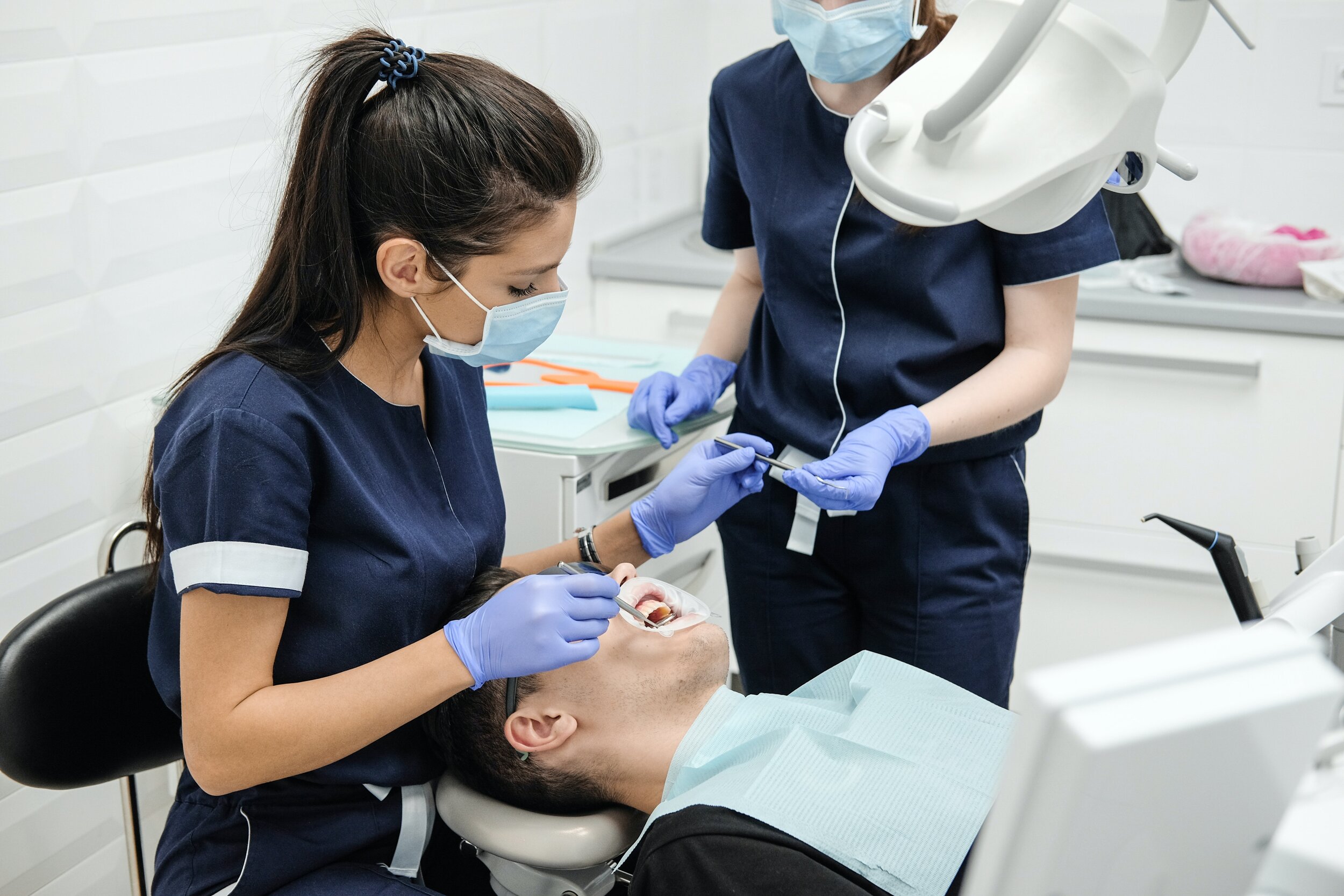
Pediatric dentists specialize in the treatment of children and teenagers with dental problems. Before all attain the age of 18, children and teens go through numerous cycles of development and change, and pediatric dentistry clinics are committed to assisting young patients' oral health. Because this is crucial for instilling excellent oral health habits and care rituals, many parents opt to take young children to a pediatric dentistry McKinney to build solid dental health routines for their children's future.

The Advantages Of Visiting A Pediatric Dentist

If you have a child or adolescent, it's a good idea to locate a pediatric dentist who you and your children enjoy and trust. Here are a few reasons why you should take your children to a pediatric dentist rather than a regular dentist:

  • Kids Who Are Calmer And Happy

Visiting the dentist may be stressful for children, especially when they are unsure of what to anticipate. On the other hand, pediatric dentists have the knowledge to recognize and respect young patients' concerns. Pediatric dentists strive to make their patients as comfortable as possible during their appointments, which means your children will be calmer and happier before, during, and after their visit. Plus, they'll be less apprehensive about going to the dentist for their next dental cleaning!

  • Specialized Education

Pediatric dentists have additional expertise in working with children's jaws and teeth that conventional dentists lack. Pediatric dentists are more prepared to give safer, more effective, and more pleasant treatments for any dental obstacles that a young child may encounter due to their expertise. You may be confident as a parent that your child's pediatric dentist is watching out for them and their future adult smile! Increased understanding of familiar childhood behaviors and dental problems.

Some typical behaviors, such as thumb sucking and teeth grinding, might contribute to dental problems later in life, whether in maturity or adolescence. Pediatric dentists are familiar with these behaviors and can work with you and your kid to develop innovative ways to break the cycle and enhance oral health. A pediatric dentist is the most highly trained expert to deal with these habits and behaviors elegantly and securely, as they can affect young children and teens.

  • Knowledge Of Children's Development And Changes

A child's physique changes dramatically from birth until the age of 18. In terms of oral health, when a kid develops into an adult, the entire jaw shifts and changes form. Consulting a pediatric dentist ensures that your kid receives the acceptable behaviors treatment possible throughout their childhood and adolescent years because changes happen so fast in younger children. Pediatric dentists are familiar with all of a child's developmental phases as they progress toward maturity, and they can assist in maintaining a healthy smile throughout the process.

  • Pediatric Dentists Work With Children Of All Ages.

Around a child's second birthday is the optimum time to schedule their first dental appointment. Although this may appear to some parents to be a little early, new studies suggest that an increasing number of preschoolers are developing cavities and hence require early dental treatment. Because of the dangers of waiting for your child's first appointment, bringing them in can assist in guaranteeing that your child's dental health is maintained as they grow and that they acquire oral solid hygiene practices that will endure into adulthood.

Pediatric dentists treat patients until they reach the age of 18, at which point a general dentist manages the majority of the dental concerns that the kid (now an adult) may have. Teenagers go through a lot of changes. Because they have special needs in terms of aesthetics and comfort, taking them to a pediatric acceptable behaviors dentist can ensure that they get dental treatment tailored to their age and stage of development.

What To Look For In A Pediatric Dentist?

While the final decision is up to each parent and their child(ren), there are several determinants to consider when searching for the ideal pediatric dentist. When it comes to choosing a pediatric dentist, there are a few things to think about:

  • In A Clinic Setting

An excellent pediatric dentistry clinic will provide a welcoming atmosphere for kids and teenagers. It should be lively and enjoyable, with kid-friendly items (toys, children's and teen's books, periodicals, etc.) in the waiting area. The McKinney tx dentist is focused on the kids and their unique needs, as seen by these thoughtful additions. A pleasant environment also makes your child's dental visits more pleasurable!

  • Dealing With Disobedient Children's Strategies

It's common in every pediatric practice to encounter children who misbehave in some fashion. As a parent, you should pay clear awareness to how your potential dentist reacts to misbehavior. During your first appointment with your kid to a new pediatric dentist, pay attention to how the dentist reacts when your child does anything unusual. The objective is to locate a dentist who can deal with unruly children calmly and gently.

  • Dimensions Of Medical Instruments

Pediatric dentists use smaller medical instruments that fit and function better in tiny mouths. Please take the sign of the size of the tools that the dentist uses during your first appointment with a pediatric dentist and evaluate whether they are smaller than those used in a regular dentist's office. A pediatric dentist should always have the appropriate instruments for the job, and if they don't, this is a "red flag" that parents should be aware of their oral health. Good oral health is one of the essential stages toward overall physical health, and instilling healthy dental habits in children while they are young has a long-term impact. 

To Sum Up, a Pediatric dentist is necessary for the kids at an early age, and they will help maintain the proper hygiene and make the smile more healthy.

Costs, Procedure, and Other Important Information On All-on-4 Implants

If you require multiple tooth replacements, all-on-4 dental implants may be an option because the cost of dental implants for a complete mouth repair might be prohibitively expensive, as they need fewer implants in the jaw than traditional techniques. All-on-4 implants are less costly than a full set of dental implants.

In this blog, we have covered some common queries on all-on-4 dental implants, which includes:

  • What exactly does it entail?

  • Are you safe to use this sort of implant?

  • Are you looking for an All-on-4 dentist in your area?

  • Is there any way to reduce the price?

  • What is the difference between dentures and implants?

Each Jaw Might Get As Little As Four Implants.

Using standard procedures, a full mouth of implants would require 8-10 implants per jaw, but the All-on-4 approach requires four. Due to decreased bone density, the upper jaw may require five or six implants

Rear Implants That Are Angular For Maximum Strength

Rather than putting them vertically, experts place the back implants at a 30-45 degree inclination. Because of this angle, patients who have had bone loss are now eligible for All-on-4 outwardly; otherwise, they might have to go for an expensive and time-consuming process of a bone graft.

The Possibility To Have A Device Inserted And Installed In A Single Day

You don't have to wait till your dental implants with all-on-four crowns have recovered completely before getting your replacement teeth. This last feature of this process provides the moniker's teeth, "smile in a day,' or same-day teeth. It is a significant advancement over standard implant operations, which may take up to six months to complete and need substantial recuperation time at each stage.

Pros Of The All-On-Four Method

All-on-4 dental implants have several advantages over traditional dental implants and dentures. These are some of them:

  • Treatment and recovery time are both short.

  • Implants can be put on the same day as the extraction. 

  • A comfortable and stable framework supports crowns.

  • No need to remove it for cleaning because it's already in place.

  • Don't fall out or slip.

  • Patients with jaw bone loss may benefit from this treatment.

  • Traditional methods, which utilize 8-10 implants, are more expensive.

Cons Of The All-On-Four Method

All-on-4 implants, of course, won't have their own set of issues:

  • Spitting or hissing is difficult for some people.

  • Some don't regard it as a "shortcut" to properly replacing teeth.

  • There isn't a fully customized solution available.

  • A single implant failure might result in issues throughout the jaw.

  • In your mouth, the implant gum bridge may appear thick.

Dentures vs. All-on-4

All on 4 implants are frequently known as "All-on-4 Implants ." That's possible because detachable dentures, which comprise a gum-colored acrylic base and teeth made of resin or porcelain, are the usual approach to replacing a whole jaw of teeth. Dentures are made to match the gums aloft and are held in place by suction or dental glue.

Dentures That Should Not Require Any Adhesive.

However, because there are no teeth to hold the dentures in place, the supporting bone decreases with time, causing them to become loose. Removable dentures suit the patient's mouth perfectly. The prime denture includes the roof of the mouth, while the bottom denture is shaped like a horseshoe to accommodate the tongue. They must be taken for cleaning, which generally occurs overnight (thus the bedside cliche of fake teeth in a glass).

All-on-4 implants, on the other hand, are set in place and should function similarly to natural teeth in terms of look, chewing, and comfort. After placing All-on-4 implants, there is no chance of falling out of position while the wearer is talking or eating. The prosthetic teeth are attached to a synthetic gum that only covers a tiny portion of the actual gum instead of dentures. When you grin, the joint is concealed far enough beneath the lips that it isn't apparent. Dentures are less expensive than implants but change every five years at best.

Regular Implants Vs. All-on-4 Implants

A mix of only one implant and dental augmentation bridges is the traditional approach to replace a whole jaw of teeth. Both procedures require drilling sockets in the jaw bone, while All-on-4 uses more miniature implants. It makes the procedure for the patient faster, easier, and more pleasant. It can also be significantly less expensive due to the decrease in time and resources needed. Aside from the decreased cost, All-on-4 has the advantage of shorter treatment duration. 

Surgical

Your dentist or oral surgeon will nearly positively offer a sedative to help you relax throughout the operation. They will then anesthetize you so that you will not feel any discomfort. If you want general anesthesia for your All-on-4 procedure, discuss it with your dentist at your initial appointment.

Final Notes 

Clean the mouth carefully after removing any remaining teeth to eliminate any damaged tissue and germs. To hold the front implantation in place, the dentist drills two or more holes at the front of your jaw. Two rear holes, one on each side, are slanted to support the bridge's back. They rewash your mouth after setting the implants. Dentists frequently employ dissolvable sutures, which dissolve after a week or two. It fits your new teeth the same day or the next day. At this point, some dentists will build a temporary overdenture, replacing it a few months later. It is composed mainly of resin, a lighter but less durable substance that relieves strain on your All-on-4 implants while they recover.

Benefits Why You Should Get Regular Dental Checkups

Dental Checkups.jpg

While going to the dentist every six months isn't something anybody looks forward to, it's critical to do so. If you've ever questioned the value of routine dental exams and cleanings, here's something to ponder:

If you're thinking of skipping a dental exam because it's too expensive or for any other reason (like lack of time or dental fear), make sure you weigh the benefits and drawbacks. In the long term, you'll spend a lot more if you don't go to the dentist, both financially and psychologically. Here are some of the fundamental reasons to see your dentist frequently:

In-Mouth Cancer Screening

Oral cancer is a deadly illness that can present itself in a variety of ways. Oral cancer can be undetected for long periods if the symptoms aren't recognized. It can also spread rapidly and become life-threatening. 

  • Fortunately, Early-stage oral cancer is typically treatable relatively simply.

  • Regular dental exams from dentists McKinney tx every six months increase your chance of finding oral cancer early on since your dentist is well-versed in identifying these warning signs and symptoms.

  •  Early detection of oral cancer is critical for successful treatment, and even if you don't notice any mouth abnormalities, your dentist knows.

A Dental and oral measure the amplitude of the voltage. The McKinney dentist examinee for cancer is non-invasive, pain-free, and covered by MSP in certain circumstances. They also take no more than a minute or two. By flashing a special light within the mouth, the inspection detects any symptoms of dead tissue produced by malignancies that have formed. It's quick, painless, and it just could save your life. It's an easy decision!

Plaque, Tartar, And A Buildup Of Bacteria

Regular brushing and flossing still miss some mouth regions, even for the most conscientious brushers and flossers. When plaque accumulates, it gets harder to remove, solidifying and hardening into tartar, which is nearly impossible to remove without the assistance of a dental expert.

  • Prevent cavities by having your teeth cleaned regularly to remove tartar before it has a chance to do any damage to your teeth. 

  • Excavations seldom show any symptoms while they develop, causing a minor toothache once the rot has already spread.

  • You may save money by not skipping your cleanings because they are less expensive than getting a filling.

Plaque In The Mouth

Too much plaque and tartar in the mouth not only cause decay but also erodes the gums. It occurs when tartar accumulation develops an infection in the area where the gum meets the tooth, causing the gum to separate from the latter.

  • Gingivitis is the medical term for this condition, and when it worsens, the tissue that connects the gums to the teeth separates.

When gum disease reaches this stage, swelling, bleeding, or pain in the mouth are all potential side effects. 

  • Gum disease not only damages gum tissue but also weakens the bone that supports the teeth. As a result, a dental professional will have to resort to more extreme measures to save your teeth if they are loose or falling out.

  • Gum disease therapy might entail surgery, comprehensive cleaning, and medication depending on the severity, which necessitates more consultations with specialists and may put a strain on your budget.

  • Regular dental cleanings are critical to detecting and treating gingivitis early on before it progresses to a more severe stage.

Controlling Adverse Personality Traits

Regular dental exams allow your dentist to look for any oral health problems that may have arisen due to these or other behaviors that you may have overlooked.

Knowledge of harmful behaviors enables you to avoid future harm by altering your lifestyle. The dentist can correct any damage that has already been causing a complete project and assist your dental health in reaching its full potential.

X-rays Can Spot Issues Hidden Below The Surface.

Having your teeth and jaw bone x-rayed at least once every six months by your dentist is critical. X-ray pictures allow dentists to view what's going on beneath the surface of your mouth, and they can identify problems that aren't obvious to the human eye. When teeth are affected, the gums become inflamed, and the teeth cannot push through the gum line. It is familiar with wisdom teeth.

Additionally, your dentist will examine your neck, jaw, and lymph nodes, which are positioned immediately below the jawline and can show indications of oral cancer in the mouth, gums, and tongue.

  •  If an anomaly is detected, it might indicate a severe health problem, and your dentist will let you know about it and send you to the right medical specialist.

  • In some people, swollen lymph nodes are not painful or unusual.

  •  However, when correctly diagnosed by a specialist, they may indicate cancer or other disorders that require prompt care if you don't get regular dental checks, a look at your thyroid and the region around your neck. 

  • Much less frequently. Although it just takes a minute for your dentist to check for irregularities, it might mean an exceedingly dangerous condition is a product of apprehension early enough to make a significant impact.

Winding Up!

It's not just about repairing teeth for dentists and other dental professionals. Dental hygienists do more than just clean your teeth; they also examine for irregularities that may otherwise go undiscovered and might be an indication of more severe health problems. Dental experts, among other things, ensure that your bones are healthy and assist you in correcting any behaviors that may be harming your dental health. While skipping dentist checkups may not seem like a huge deal, oral health problems may develop and worsen quickly, even if you aren't aware of them. You'll be doing yourself a significant favor in the long run if you schedule regular dental cleanings and exams.

Invisalign And It's All Certainties

Invisalign special McKinney.jpeg

In several ways of your life, straight, strong teeth are essential. Beautiful and healthy teeth help increase your trust. It also protects you against the development of severe oral diseases.

To seek orthodontic treatment is the best approach to correct all tooth defects. You could have heard about Invisalign special McKinney TX  when you think about ways to straighten and strengthen your teeth.

But what exactly is this procedure, and how does it differentiate between braces?

Keep reading our guide to learn about the benefits of Invisalign and why you should consider it.

Invisalign, What is It?

What is Invisalign, then, exactly, and how does it work? The indication is on behalf of it. Invisalign is a revolutionary process for straightening crooked teeth, involving the use of an invisible aligner.

Invisalign has more advantages and features than regular metal braces. It leads more and more people to use traditional methods of teeth straightening.

Do you want to discover some of Invisalign's most impressive advantages? 

It is Quite Discreet.

One of the reasons why many people choose Invisalign is that it is more discreet than conventional braces. Indeed, it's so sensitive that it's invisible!

The orthodontic system has transparent, almost visible plastic alignments. So you can feel confident and relaxed knowing that no one will see that you wear aligners when you wear them.

It's Very Convenient.

Everybody knows the discomfort and the pain regular braces can have and the damage to oral soft tissues that they can cause. Invisalign does not have this problem.

Invisalign is much more comfortable and gentle to your gums and teeth. You won't experience any pain or damage. Because Invisalign is custom-made and uses only soft plastic instead of sharp metal, your mouth will feel much more protected.

Their customization also means that each of your teeth will follow a slow, controlled, and gradual adjustment. It means that the overall process will feel more comfortable than standard braces.

It is Suitable

Comfort is another major factor in the choice of Invisalign rather than metal braces. You can finally return to all of your favorite foods and drinks using a removable aligner such as Invisalign.

While eating or drinking, immediately remove your Invisalign. When you're ready to put them on again, give it a quick wash in warm water. Easy, okay?

On the other hand, standard braces make it more complex and often more painful to eat. Dentists will often tell you what to avoid using metal braces to eat and drink. It could limit your decisions and make the whole process more frustrating and less enjoyable.

It is Adequate.

Convenience is yet another essential factor in Invisalign's choice of braces. Finally, you can return with a removable aligner such as Invisalign to all your favorite food and beverages.

Immediately remove your Invisalign while eating or drinking. Please give it a washing-up in warm water when you're ready to put it again. Simple, all right? All right?

Standard braces, on the other hand, make it more complex to eat and often painful. Dentists often say what you need to avoid eating and drinking with metal braces. It could restrict your decisions and frustrate the entire process and make it less fun.

Invisalign gives you control over what is placed on your plate while giving your teeth more attention.

Brushing is Much Easier Than Bracing.

Think about it again if you thought Invisalign would only simplify your food and drink.

It does not have the advantages of food and drinks alone. Invisalign makes it easier, safer, and more comfortable to brush your teeth against regular braces.

You find it difficult to pin your teeth properly with metal braces. However, you only have to remove your aligners with Invisalign and brush your teeth as usual. Not only does Invisalign make your teeth smooth, but it also helps you to better look after your oral hygiene.

Invisalign gives you power beyond what you put on your plate while paying more attention to your teeth.

It is Much Easier to Brush Than to Strain.

Think again if you felt that Invisalign would only make food and drink simpler. The advantages of food and drink alone are not there. Invisalign makes brushing your teeth against regular braces easier, safer, and more comfortable.

It's not easy to put your teeth on metal braces correctly. However, only Invisalign must be removed, and you can brush your teeth as usual. Invisalign not only makes your teeth smooth but also helps you to look after your oral hygiene better.

It Enhances Your Confidence

The main reason you need to wear your brace, of course, is based on your health. Aesthetics are nevertheless also essential to start such a treatment. That's right.

Straighter, stronger, and shining teeth are becoming more appealing. It in turn, gives you more self-confidence and confidence.

Many people, however, continue to look for orthodontic therapy to fix crooked teeth. Why? It's because wearing metal braces is all too unpleasant.

That’s why Invisalign is becoming so loved and popular. It helps people achieve better teeth without the unattractive (and uncomfortable) addition of metal braces. 

 It Helps Prevent Potential Future Issues

Invisalign cares for your teeth today and helps to protect you from potential issues tomorrow. This type of orthodontic treatment can be beneficial to prevent dental problems in the years to come.

We mainly refer to gum disease, tooth loss, and tooth decay, which are often the result of poor oral hygiene. By enabling you to enhance your oral hygiene, Invisalign contributes to overall better dental health for life.

That’s why Invisalign is so successful and popular. Without an uneasy (and uncomfortable) addition of a metal strap, people can get better teeth.

It Helps Avoid Possible Issues for The Future

Invisalign takes care of your teeth today and helps to protect you tomorrow from potential issues. This kind of orthodontic treatment can be beneficial in the years to come to prevent dental problems.

We refer mainly to gum disease, tooth loss, and tooth decay, often due to poor oral hygiene. By improving oral hygiene, Invisalign helps to improve dental health overall for the future.

It's Very Successful

In addition to all these incredible benefits, you might still wonder whether Invisalign is working. Well, that doesn't only work in a short timeframe. 

Your Invisalign will be fully adapted for your dental structure. Due to this, dental visits are less and less invasive. That's another big reason why Invisalign is the winning choice over regular braces.

Ready to Explore All the Benefits of Invisalign

After reading about all the incredible benefits of Invisalign, you should no longer be on the fence about whether or not to get this treatment. 

Choosing Invisalign over standard braces is a comfortable, quick, and non-invasive way to strengthen and straighten your teeth.

Would you like more information on how to start your Invisalign treatment? Or, have you decided that you would like to get started as soon as possible? 

Either way, do not hesitate to contact us. We will be happy to guide you through the process and get your treatment started.

Willing to Discover Invisalign's Advantages?

You should no longer be on the verge of seeing after reading about all the incredible benefits of Invisalign. Invisalign is a comfortable, fast, and non-invasive way of strengthening and straightening your teeth through standard braces. Want to find out more about starting your treatment with Invisalign? Or did you decide to get started as quickly as possible? Never mind contacting us anyway. We will be glad to guide you through the process.

How Do You Floss Your Teeth Properly?

Flossing is a crucial dental hygiene practice. It cleans and dislodges food caught within your roots, decreasing bacteria and plaque levels in your mouth. Plaque is an adhesive layer that accumulates on teeth, commencing to cavities and gum infection. Although most people brush their teeth twice a day, not everyone flosses as often as they graze.

Flossing alone isn't enough, of course. It's critical to floss correctly. Flossing can cause harm to your teeth and gums. So, if you're not sure how to floss correctly, here's a step-by-step tutorial to help you out. For kids as well, you get pediatric dentistry McKinney.

What are The Procedures for Flossing?

To properly floss your teeth, follow this step-by-step tutorial.

  • Instructions for Flossing

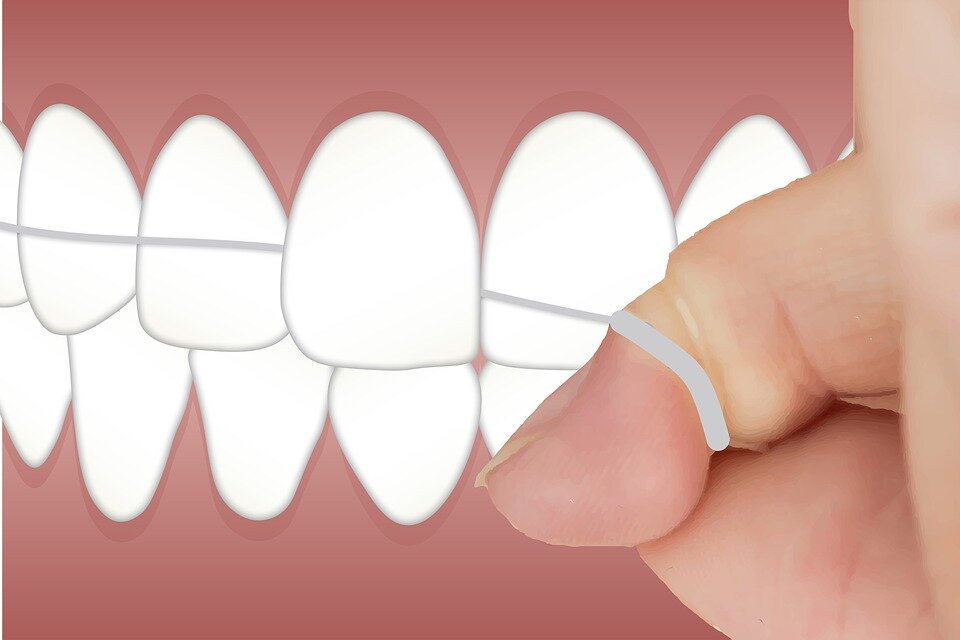
  • Cut a length of dental floss between 18 and 24 inches. Bend the floss about both of your middle fingers to hold it in the correct position. For your teeth, leave around 1 to 2 inches of floss.

  • Using your thumbs and index fingers, pull the floss taut.

  • Floss between two teeth using dental floss. Glide the floss up and down the length of each tooth, pressing it on both sides. Glide the floss between your teeth, not into them. Your gums may be scratched or bruised.

  • Curl the floss at the base of the tooth to make a C shape as it reaches your gums. It makes it possible for the floss to get between your gums and your teeth.

  • As you proceed from tooth to tooth, reiterate the guidance. Use a new, clear segment of floss for each tooth.

Whichever is the most reliable technique for flossing when covering braces?

Although it is easier than externally flossing braces, it is more difficult and time-consuming to floss with braces.

  • Put aside between 10 and 15 minutes if you're flossing with regular floss.

  • Choose waxed floss for this approach since it is less likely to rip and become trapped in your braces.

  • The safest method to brush your teeth with braces

  • Cut around 18 to 24 strands of wax dental floss.

  • In the presence of a mirror, examine to ensure the floss is going in the right direction!

  • To begin, thread the floss between your teeth and the primary wire. Using your index fingers, wrap the loose ends of the floss around your fingers to make it simpler to transfer it.

  • In between the two teeth, push the floss between them with as much care as you can. Push the floss up and underneath both sides of your teeth.

  • Floss your top teeth by making a U-shape with the floss. To accomplish this, move your finger up the side of a tooth until it hits the gum line, and then release. Use the floss to clean the other tooth.

  • It's essential to take care not to snag the floss on the wire. Avoid popping the floss out of your teeth since you could disrupt a wire.

  • Repeat this process until you've flossed between all of your teeth.

Instead of waxed floss, you may use a Waterpik or floss threader. Both can help you save time when it comes to flossing. If you needed to search for dental implants near me, you would get the possible results accordingly.

When is Flossing Pertinent?

In addition, knowing when and how often to floss is crucial to maintaining good oral health. A typical technique is to brush your teeth first and then floss afterward. Flossing and cleaning your teeth is still generally recommended.

Brushing eliminates these particles from your mouth, while flossing helps lift and release food and plaque trapped between your teeth. After brushing and flossing, food and plaque linger in your teeth.

Dental Floss Comes in Many Different Varieties.

When it appears to find the excellent floss for you, it depends on your preferences, the place within your teeth, and whether or not you have braces or bridges on your teeth or not.

  • As a result, some dental floss types are easier to use in more expansive areas, while others may be used more efficiently in little areas.

  • In addition to dental floss, dental tape is also available as a kind of dental floss. If you have braces, gaps, or wide spaces between your teeth, this type of dental floss is more significant and flat like a ribbon, making it simpler to manage.

  • The typical floss. Flavored or plain, waxed or non-waxed, it's your choice. If your teeth are crowded or close together, dental floss with a wax coating may assist you in getting in between them.

  • The floss threader is suitable for braces, bridges, and gaps. It consists of three parts: a stiffened end for flossing beneath equipment, spongy floss for cleaning around appliances, and standard floss for removing plaque behind the gum line.

Other Flossing Aids that Make Flossing More Convenient

Other flossing equipment, in addition to the dental tape, waxed floss, and floss threaders, can make flossing simpler and faster.

  • You may also use an electric flosser or a water flosser, which uses water and pressure to remove plaque and food between teeth, as an alternative to using dental floss. Two fantastic options if you have trouble using traditional floss. In the case of braces, a water flosser is a great tool to have around. It's feasible to clean in between brackets and cables using this equipment, as well.

  • If you're on resources, you can use disposable floss picks. They're easy to use and can help you floss those hard-to-reach back teeth.

In this, you can understand the flossing is a vital part of oral health care. You can visit the website Troo health for more information.