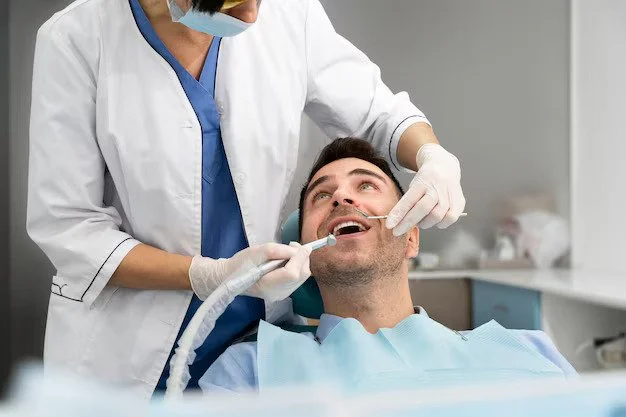

A Complete Guide on What Foods You Should Avoid with Invisalign

Invisalign has transformed the world of orthodontics, offering a discreet, comfortable, and effective way to straighten teeth without the hassle of traditional metal braces.

While it allows you to remove them when eating, this doesn’t mean you can indulge in eating any food without caution. 

Have you ever wondered how the foods you consume might impact the effectiveness of your aligner treatment? Making the right dietary choices is essential to maintaining the clarity and durability of your aligners and ensuring the treatment progresses as planned. 

This blog covers everything you need to know about aligners, including the foods you should avoid, tips for keeping your Invisalign clean, and more.  Let's start!

What is Invisalign and Why Do You Need It?

Invisalign is a modern orthodontic treatment that gradually shifts teeth into the desired position using a series of clear, custom-made, removable aligners.  

Unlike traditional braces, these are made from smooth, BPA-free plastic, making them nearly invisible when worn. They are carefully designed for teens and adults who want a subtle, flexible, and comfortable way to improve their smiles.  

A recent study on aligners suggested that their primary purpose is to correct dental issues like crooked teeth, gaps, overbites, underbites, and crowding without metal brackets or wires and gradually correct the teeth' position. 

Since the these are removable, they offer greater convenience for eating, brushing, and flossing—allowing you to maintain better oral hygiene throughout your treatment.  

Invisalign: A Game-Changer in Modern Dentistry

Orthodontic treatments have come a long way from bulky metal braces that were once the norm. Clear-aligners have genuinely revolutionized and are so advantageous to use for teeth straightening:

  • Discreet Appearance

The clear aligners are barely noticeable, making people feel confident while undergoing treatment.

  • Comfort and Convenience

Without metal brackets or sharp wires, it gives less irritation to the gums and cheeks. You can also remove them when eating or brushing your teeth.  

  • Faster Results

With proper use, it often delivers results faster than traditional braces.  

  • Improved Oral Health

Since they are removable, the wearer can maintain better oral hygiene, reducing the risk of cavities and gum disease.  

Certain Foods to Avoid with Invisalign: Reasons to Avoid 

While they are removable, some key dietary considerations must be made to avoid damaging your aligners and compromising your treatment. 

Here’s what you should steer clear of:

  • Hard and Crunchy Foods

If you chew nuts, popcorn, hard candies, or ice cubes while the aligners are in, you can cause micro-cracks or warping. Even if you remove them, leftover particles can stick to your teeth and transfer bacteria when reinserted.  

  • Sticky and Chewy Foodstuff

Chewing gum, caramel, and toffee are sticky foods that can cling to teeth. This makes it harder to clean your mouth before reinserting them, increasing the risk of cavities and plaque buildup.  

  • Sugary Drinks & Other Edibles

Soda, energy drinks, candies, and sweetened coffee promote bacteria growth, which leads to tooth decay. 

If you wear them without brushing after consuming sugary items, you trap sugar against your teeth, creating an ideal environment for cavities.

  • Colored Beverages

Coffee, tea, red wine, and sports drinks can put a stain, making them look cloudy and less invisible. Therefore, you should remove them when drinking anything other than water. 

  • Acidic Eatbles

Citrus fruits, vinegar-based dressings, and soda are acidic substances that can erode tooth enamel, especially when trapped under aligners. This increases the risk of sensitivity and decay.  

  • Crunchy Raw Vegetables

Carrots, apples, and celery are healthy eatables yet crunchy, which can pressure-shift teeth and are foods to avoid with Invisalign

If you enjoy these foods, it’s best to cut them into small, manageable pieces and chew them carefully after removal.

Friendly Food Choices You Can Enjoy with Invisalign
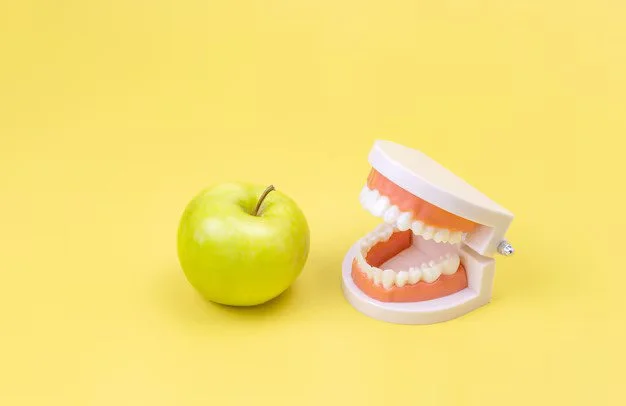
Removing your aligners before eating is advisable. However, some foods can you eat with Invisalign without worrying.  


Here’s a list of friendly foods that are easy on your teeth and won’t interfere with your treatment:  

  • Soft Fruits and Veggies

Bananas, berries, steamed carrots, cucumbers, and avocados are soft foods. Cooked vegetables are gentle on shifting teeth, easy to chew, and packed with vitamins that support oral health.  

  • Dairy Products

Yogurt, cheese, milk, and cottage cheese are rich in calcium and protein. Dairy products help strengthen teeth and are easy to consume without causing discomfort to sensitive gums.  

  • Lean Proteins

Scrambled eggs, tofu, soft-cooked chicken, and fish are excellent protein sources. They are tender, easy to chew, and provide essential nutrients without stressing teeth.

  • Whole Grains and Soft Carbohydrates

Oatmeal, quinoa, soft bread, rice, and pasta are soft, nonsticky grains. Carbs are filling, easy on the teeth, and don’t leave behind residue that’s difficult to clean.

  • Smoothies and Soups

Fruit smoothies, vegetable purees, and broth-based soups are nutritious options for sore teeth caused by aligner adjustments. They’re also easy to consume without heavy chewing. 

Why Choose Invisalign Treatment from Valley Creek Dental Care?

Here’s why Invisalign specials McKinney TX, is the right choice for your journey:

  • Personalized Treatment Plans

Never believe in one-size-fits-all treatment plans. Their experienced orthodontists create customized plans tailored to your dental needs and lifestyle.  

  • Advanced Tools & Technology

Deploys cutting-edge 3D imaging technology to ensure precise measurements for the perfect fit, faster results, and fewer adjustments. 

  • Expert Guidance at Every Step

From your initial consultation to the final retainer, ensure every step of the way to monitor your progress and make adjustments as needed. 

  • Comfort and Care

A friendly, patient-centered approach ensures you feel comfortable, informed, and supported throughout your treatment. 

  • Proven Track Record

With countless satisfied patients and years of expertise in orthodontic treatments, it is trusted for delivering beautiful, lasting smiles.

Final Thoughts 

Invisalign is perfect for achieving a flawless smile without the discomfort of traditional braces. However, maintaining that smile requires more than just wearing aligners—it’s about making smart choices about diet and oral hygiene.  

By avoiding sticky foods, keeping your aligners clean, and partnering with trusted professionals, you’re setting yourself up for a smooth, successful journey.

Are you ready to start your Invisalign treatment? Book a consultation with Valley Creek Dental Care today, and take the first step toward a healthier, straighter smile!

What Happens If You Don’t Treat a Cracked Tooth?

Cracked teeth are one of the most crucial aspects of tooth-related problems such as decay, extraction, pain in the gums, etc. 

Ignoring a cracked tooth can be more than a cosmetic concern, as it could lead to severe health issues down the line! It is not merely a cosmetic issue but a necessity to restore overall health. 

In this blog, we’ll explore the risks involved in ignoring cracked tooth treatment and why timely intervention is critical for maintaining oral health and quality of life.  

Let’s first understand its core reasons. 

What Causes a Tooth to Crack?

Understanding the reasons behind a chipped tooth can help in preventing this common dental issue. Cracks in teeth occur due to various factors, such as:

  • Biting Hard Objects: Chewing on ice, nuts, or hard candies can exert excessive pressure, causing fractures in the enamel.

  • Dental Trauma: Accidents or injuries can lead to chipped or cracked teeth.

  • Teeth Grinding (Bruxism): Consistent grinding can weaken teeth over time, making them prone to cracks.

  • Aging: As we age, teeth naturally wear down and become more susceptible to cracks.  

  • Sudden Temperature Changes: Consuming extremely hot beverages immediately after something cold can cause the enamel to expand and contract, leading to cracks.  

Signs and Symptoms of a Cracked Tooth

Identifying the signs early can make a significant difference in avoiding complications. Here are some common symptoms:  

  • Pain when Chewing or Biting: This discomfort often arrives and goes off, making it easy to overlook.  

  • Sensitivity to Hot, Cold, or Sweet Foods: A cracked tooth exposes the dentin, causing acute sensitivity. 

  • Swelling Around the Gum: Localized swelling near the tooth could indicate an infection. It can also be a common cause of bleeding gums, irritating the gum tissue and exacerbating the swelling. 

While these signs may seem manageable initially, they often escalate the problems if ignored. 

Short-Term Effects of Ignoring a Cracked Tooth

Increased Sensitivity and Discomfort

Leaving a chipped tooth untreated can lead to persistent uneasiness. The crack exposes the tooth's inner layers, allowing external stimuli like temperature changes or sugary foods to irritate the nerve endings. Over time, this pain can intensify, disrupting daily activities like eating or speaking.  

Risk of Infection

It provides an entry point for bacteria, which can seep into the pulp and cause infection. Often, untreated tooth infections can lead to dental abscesses, which are pockets of pus that form around the tooth root. These abscesses can result in severe pain, swelling, and even fever.  

Long-Term Consequences of an Untreated Cracked Tooth

An untreated chipped tooth might seem minor at first, but it can silently lead to serious dental issues.  

The long-term consequences can significantly impact your oral well-being, from infections to tooth loss. 

Severe Tooth Decay

Cracks allow bacteria to accumulate, accelerating decay. Over time, the tooth's structural integrity weakens, leading to extensive damage that often requires more invasive treatments.  

Dental Abscess and Systemic Infection

If the infection spreads beyond the tooth, it can lead to a dental abscess. In severe cases, the infection can enter the bloodstream, causing a life-threatening condition known as sepsis.

Loss of Tooth

Untreated cracks often result in tooth loss. Extraction becomes inevitable when the damage reaches the tooth’s root or compromises its structure entirely. This affects oral health and can lead to functional and aesthetic concerns.  

Impact on Overall Health

Oral and systemic health are intricately linked. Chronic infections stemming from a broken tooth can exacerbate conditions like heart disease and diabetes. Dentist in Mckinney emphasizes that maintaining good oral health is vital for overall well-being, underscoring the risks of neglecting dental issues. 

Why is Timely Treatment Crucial?

As we have gauged, delaying treatment for dental issues can escalate minor concerns into major complications, affecting both oral and overall health. Timely intervention prevents pain & infection and preserves the integrity of your teeth and gums.  

Let's explore why acting promptly is essential for maintaining a healthy smile.

Preventing Further Damage

Addressing it promptly can prevent it from worsening. Dentists in McKinney stress that early intervention reduces the risk of requiring extensive procedures such as root canals or extractions.

Cost Implications

Delaying cracked tooth treatment often leads to higher costs. For instance, repairing a minor crack with a filling is significantly less expensive than replacing a lost tooth with an implant.  

Improved Quality of Life

A dentist in McKinney offers prompt care, eliminating pain and restoring normal dental function, ensuring you can eat, speak, and smile confidently.  

Treatment Options for a Cracked Tooth

Modern dentistry offers a range of solutions for treating cracked teeth based on the severity of the damage: 

Dental Bonding and Fillings

For minor cracks, dental bonding or composite fillings can restore the tooth’s structure and appearance. This quick and cost-effective procedure strengthens the tooth and prevents further damage.  

Crowns

A dental crown is often the best solution for extensive cracks. It acts as a protective cap, shielding the tooth from additional stress and decay.   

Root Canal Therapy

When the crack extends to the pulp, undergoing a root canal treatment becomes necessary to remove the infected tissue and save the tooth. Advances in technology have made this procedure relatively painless and highly effective.

Tooth Extraction and Implants

In cases where the damage is irreparable, extraction is the only option. However, replacing the missing tooth with an implant ensures functionality and prevents adjacent teeth from shifting.  

Conclusion

A cracked tooth may seem slightly inconvenient, but its implications can be far-reaching. The risks of ignoring a cracked tooth are substantial, from heightened uneasiness and ache/ stiffness to severe infections and tooth loss. Timely treatment preserves your oral health and saves you from unnecessary pain and expenditure.  

Consulting Valley Creek Dental Care will help you address immediate concerns and safeguard your long-term oral health.  

Prioritize your dental health and consult their professionals if you suspect a cracked tooth. For more information, check out the website about your related dental issues. 

What to Expect During Your Regular Dental Checkups

Dental checkups are the mantra for maintaining good teeth and, of course, a smile. Regularly visiting for oral health check-ups significantly eliminates problems like toothache, bad breath, and tooth decay.  

Many people feel nervous just thinking about them despite their importance, often fearing pain. This fear can sometimes prevent them from getting the dental care they need, leading to bigger future issues.  

Whether you're having a thorough dental test or a basic checkup, understanding what to expect during your checkup can ease your stress and help you feel more confident. Isn't it?

To make things easier, we’re here to explain the steps involved in a typical dental visit and highlight the importance of regular checkups in maintaining long-term oral health. 

So, let’s explore these aspects thoroughly!  

The Need for Regular Dental Checkups – Key Aspects & Challenges

Brushing regularly isn’t enough to keep teeth healthy. Dental issues can occur at any time, and some may go unnoticed without an expert’s examination. 

With the increasing dental concerns, the industry is also expanding at a rapid rate. 

The study estimates that the global dental market will reach USD 95.37 billion by 2032 from USD 38.95 billion in 2024, growing at a CAGR of 11.8% during the forecast period (2024-2032). 

To understand the need for a regular dental checkup in more detail, you must first gauge its root cause and the challenges. 

Gum Diseases

Leaving gum disease untreated can result in tooth loss. Routine checkups allow your dentist to identify early signs of gingivitis and provide timely treatment.

Tooth Damage

Tooth damage may result from various factors, including teeth grinding or trauma. Regular dental checkups are a great way to address these issues at the very first step. 

Discoloration Issues

Tooth discoloration has become a common concern nowadays, resulting from habits like coffee, excessive alcohol consumption, or smoking. Dental treatments like whitening or veneers help to protect your teeth.  

Prevent Tooth Decay

Tooth decay is the most common dental problem, especially among younger people. An expert in pediatric dentistry in McKinney can help by identifying early signs of tooth decay and preventing them from becoming more severe. 

Maintain Long-Term Oral Health

Regular dental checkups are essential to maintaining oral health in the long run. These visits not only preserve the strength of your teeth but also help you avoid painful or costly treatments in the future. 

Promote Overall Oral Health

Regular checkups also ensure that your mouth, jaw, and bite are functioning properly. These factors can contribute to overall oral health and a great facial appearance. 

What Can You Expect During the Oral Health Checkup?

Dental checkups are intended to make you feel confident, yet many avoid them due to a fear of pain. 

To clear these misconceptions, here’s a breakdown of what you can expect during your visit: 

Comprehensive Oral Examination

The dentist will begin the process by carefully examining your teeth, gums, and jaw area. This process includes checking for cavities, gum disease, oral cancer, and any signs of tooth decay.  

Teeth Cleaning

Following the examination, the dentist will perform a thorough cleaning to remove plaque and tartar buildup that regular brushing and flossing can't eliminate. This includes polishing your teeth to keep them smooth and free from surface stains.

X-Rays (If Necessary)

X-rays are performed only when your dentist finds any underlying issues. This allows them to identify problems beneath the surface, such as cavities between teeth or bone loss due to gum disease, which are not visible during the regular checkup.

Review of Your Oral Health

After the test, your modern dentistry will provide personalized advice on how to improve your oral health, which may include changing your brushing habits or prescribing other treatments.  

Treatment and Advice

If any issues are found during the checkup, the dentist in McKinney will suggest the required treatments. This may include advice on cosmetic treatments like veneers or teeth whitening for better aesthetics. 

Scheduling Your Next Appointment

After going through all the tests, the team will schedule your next appointment, ideally within six months. This ensures that your dental health stays on track and that any issues can be monitored over time.

What Are The Professional Solutions for Managing Dental Anxiety?

For many patients, dental anxiety can make even the thought of a checkup difficult. To make your visit as comfortable as possible, dentistry professionals offer a range of personalized dental solutions designed to enhance your experience.  

Let’s take a look at these in detail as to how they thoroughly handle it. 

Gentle Care

Good dentists are keen on providing patients with a relaxing and stress-free environment. They listen to all your concerns and meticulously explain each step of the process, ensuring that they feel comfortable throughout their visit. 

Sedation Dentistry Options

It is an effective solution for patients suffering from dental distress and anxiety. Techniques such as anesthesia or oral sedation help the patients to relax during treatments.  

Personalized Approach

The personalized care plans consider the patients' comfort levels and address their needs, ensuring an effective dental visit.  

How Do Professional Dental Experts Benefit Your Teeth?

It goes without saying that dental problems alone can’t go off just by regularly brushing your teeth. There’s much more that toothpaste can’t tackle, so a professional dental expert is your ultimate destination.  

Valley Creek Dentistry addresses issues that go beyond surface care. It may include cleanings that remove plaque, prevent gum disease, provide root canal treatment, provide veneers, and ensure your teeth remain strong and shiny.  

In addition, the team uses advanced tools and equipment to clean even the hardest-to-reach areas while protecting your dental health. This eliminates bad breath and leaves you feeling confident.  

Final Thoughts

Now that you know about the aspects of regular dental visits, it’s time to point your thoughts in the right direction. These checkups are an easy way to prevent bigger concerns on the way and maintain your oral health for the future. 

So, if you’re looking forward to booking your next dental appointment, then Valley Creek Dental Care is the expert destination for all your dentistry concerns. It offers the finest dental care services while providing extensive patient care. 

For more information about the services, contact the team today! 

Why Removing Wisdom Teeth Too Late Can Cause Complications?

Teeth problems vs. complexities - both are equally associated with each other. 

Wisdom teeth removal is common, but many overlook the potential risks of waiting too long to address problematic molars.

Did you know that in the US, an estimated 5 million people undergo impacted third molar extraction annually, resulting in the removal of approximately 10 million teeth and incurring costs exceeding US$3 billion? 

These third molars, often arriving uninvited, can pose significant risks to oral health if not addressed promptly. 

When it comes to wisdom teeth removal age, delaying the procedure can lead to complications such as infections, misalignment, and even bone damage, making it crucial to understand the ideal timing for extraction.   

This blog explores why timely extraction of of it matters and the complications that arise from waiting too long.

What Are Wisdom Teeth?

Popularly known as third molars, are the last set of molars to erupt in the back corners of your mouth. Typically appearing between the ages of 17 and 25, these were useful for our ancestors in the ancient times, who had to chew coarse foods that required heavy biting. 

However, with modern dietary habits and smaller jaw sizes, wisdom teeth often become more of a burden than an asset. 

Why Do Wisdom Teeth Often Need Removal?

Most people lack sufficient space in their jaws to accommodate them, often leading to impaction and overcrowding. These problems cause uneasiness and can jeopardize oral health if left untreated. 

Removing wisdom teeth proactively—ideally in your late teens or early twenties—can help prevent these complications. The timing for extraction varies among individuals, but addressing potential problems early is key to avoiding long-term damage. 

Key Factors Necessitating Its Removal:

  • Lack of space in the jaw: Crowded teeth can cause soreness and crooked one further create more problems. 

  • Pain or swelling in the gums: This often signals inflammation or infection.

  • Damage to adjacent teeth: Wisdom teeth can exert pressure, causing structural harm to neighboring set of teeths.

  • Risk of infection or decay: Difficulty in cleaning them lead to bacteria build-up.

Associated Complications of Delay

The decision to postpone the removal of wisdom teeth can have far-reaching consequences, potentially leading to a cascade of complications that may necessitate extensive and complex treatment. One critical factor in this decision is the wisdom teeth removal age, as the risks increase with age. 

Typically, the younger a patient is, the easier the procedure tends to be because the roots are less developed. As patients grow older, complications such as infections, nerve damage, and increased recovery time can arise.

Let's delve into the potential risks associated with delaying this dental procedure.

Increased Risk of Infection

One of the primary concerns is the heightened risk of infection. Impacted wisdom teeth, often partially or fully embedded within the jawbone, can create secluded pockets where food particles and bacteria can accumulate. 

This environment fosters the growth of harmful bacteria, significantly increasing the likelihood of developing infections such as pericoronitis. 

Impact on Surrounding Teeths

Wisdom teeth can push against neighboring molars, causing pain, crowding, and irregularities. This pressure can compromise orthodontic treatments, such as braces, and necessitate further dental work. 

Development of Cysts or Tumors

Delayed wisdom tooth removal increases the risk of cysts forming around the impacted tooth. In rare cases, these cysts can develop into benign tumors, requiring surgical intervention to prevent bone and tissue damage.  

Complications with Oral Surgery

As you age, the roots of wisdom teeth become fully developed, often intertwining with the jawbone. This makes surgery more complex and increases the risk of complications such as nerve damage or prolonged recovery. 

Bone Damage and Tooth Decay

Partially erupted ones can create difficult-to-clean areas, leading to decay and gum disease. Over time, this can weaken the jawbone and compromise overall oral health.

Signs That It's Time to Remove Wisdom Teeth

Recognizing the signs early can help you avoid the complications of delayed extraction of third molars. Common indicators include:

  • Persistent pain or uneasiness: Constant pain in the back of your mouth may signal impaction or infection.

  • Swelling or redness in the gums: Inflamed gums around the wisdom teeth are often an early warning sign.

  • Difficulty chewing or opening the mouth: Limited mobility in your jaw could indicate the need for immediate dental attention. 

If you notice any of these symptoms, it’s essential to visit a dentist for better oral health.

Post-Extraction Care and Tips for a Smooth Recovery

Proper aftercare is crucial for ensuring a quick and hassle-free recovery after removing wisdom teeth. Follow these tips:

Maintain Oral Hygiene Carefully

Avoid rinsing your mouth vigorously for the first 24 hours. After this period, gently rinse with a saltwater solution to keep the extraction site clean without disturbing the healing process.

Follow Your Dentist's Aftercare Instructions

Your McKinney dentist will provide specific guidelines tailored to your needs. Adhering to these instructions minimizes the risk of complications like dry sockets. 

Manage Swelling and Pain

Apply an ice pack to the outside of your jaw for 20-minute intervals during the first 24 hours to reduce swelling. Over-the-counter pain relievers can also help manage pain effectively.

Eat Soft Foods and Stay Hydrated

During the initial recovery period, stick to soft, nutrient-rich foods like yogurt, apple sauce, fresh juices, and mashed potatoes. Staying hydrated is equally important, but avoid using straws to prevent dislodging the blood clot at the extraction site.

Conclusion

Timely removal of teeth is essential to prevent a host of complications, from infections and decay to more severe issues like bone damage and cyst formation. Understanding the ideal age and acting promptly can save you from unnecessary pain and complex treatments later. 

If you’re experiencing symptoms or unsure about the condition of your wisdom teeth, consult a trusted dental expert to assess your oral health. For those seeking expert guidance, Valley Creek is here to help with exceptional dental care tailored to your needs.

5 Key Factors to Consider When Choosing a Cosmetic Dentist

Cosmetic dentistry is rapidly evolving nowadays. With varied options available around every corner, choosing a suitable cosmetic dentist is crucial as it significantly impacts your confidence and overall face appearance. 

Your smile is often the first thing people notice, making it an essential part of your overall appearance and the key to achieving a flawless, natural look. 

This is where cosmetic dentistry substantially offers professional solutions to improve your teeth’s appearance by making them brighter, healthier, and more radiant. 

Whether you’re seeking teeth whitening, veneers, or a complete smile makeover, selecting the right dentist involves more than just convenience or cost. It’s about finding someone with the right experience, qualifications, and a commitment to providing personalized care. 

But with so many dentists offering cosmetic services, how do you ensure you make the best choice?  

In this blog, we’ll explore the key elements to consider when choosing a dentist for your cosmetic treatment and ensure long-lasting results.

But first, let’s understand this concept. 

What is the Cosmetic Dentistry?

It focuses on improving the aesthetic appearance of teeth, gums, and overall smile. It differs from general dentistry, which primarily addresses oral health and functionality. 

A study about cosmetic dentistry states that the market value was USD 33.6 billion in 2022 and is expected to grow at a CAGR of 13.5% from 2023 to 2030.

This growth highlights the cosmetology section of dentistry, which aims to enhance the visual appeal of your smile through procedures like teeth whitening, veneers, bonding, and orthodontics. 

These treatments and different types of cosmetic dentistry are tailored to correct imperfections such as discoloration, uneven teeth, gaps, and chips, giving patients the confidence they desire.

Over the years, this treatment has undoubtedly taken a new turn and evolved to incorporate advanced technology and materials, ensuring that procedures are practical but also natural-looking and long-lasting. 

5 Key Factors to Consider While Choosing a Cosmetic Dentist

Whether a minor modification or a complete smile makeover, to understand how it works, it is essential to acknowledge factors that must be considered before deciding to give you in-depth awareness before visiting. 

Certificates and Credentials

Look for a dentist with specialized training and certifications in this particular industry. The dentist must also be a member of reputable organizations, such as the American Academy of Cosmetic Dentistry (AACD). 

AACD accreditation is a good indicator of expertise since a dentist with AACD accreditation has undergone rigorous training and peer reviews, ensuring top-notch results.

Experience and Portfolio

Your dentist's experience matters when it comes to cosmetic procedures. Request to check before-and-after photos of previous patients to understand the dentist’s expertise and aesthetic sense.

For instance, a dentist with years of experience in veneers can better customize them to suit your facial structure and requirements.

Technological Tools & Techniques

A modern dental clinic with the latest technology, such as digital imaging and 3D printing, can significantly improve precision and outcomes. Selecting the one that offers cutting-edge techniques, like laser dentistry or CAD/CAM restorations, shall offer faster, more comfortable procedures.

Patient Recommendations & Testimonials

Check online reviews, testimonials, and recommendations from colleagues, friends or family. A dentist with consistently positive feedback, especially regarding communication and care, is reliable. 

For instance, trusted reviews about a dentist’s ability to handle anxious patients can be reassuring.

Cost & Financing 

Aesthetic dentistry can be an investment, so it’s essential to understand the costs before beginning the procedure. 

Look for a dentist who provides transparent pricing and flexible payment options, such as installment plans or partnerships with dental financing companies. 

Essential Advantages of Choosing the Right One

This type of dentistry offers numerous advantages beyond just enhancing and modifying your smile. 

You can consult a dentist in McKinney, TX, and gain benefits such as: 

  • Effective Results

An experienced dentist ensures the results are durable using premium materials and techniques, saving you from frequent touch-ups, repairs, and visits.  

  • Customized Solutions

A professional takes the time to understand your unique goals and preferences. It designs a tailored treatment plan to achieve them. 

  • Long-Lasting Oral Health

They address underlying oral health issues during procedures, improving both aesthetics and functionality. For example, aligning teeth with braces can reduce the risk of gum disease and jaw pain.

  • Comfort & Trust

Choosing the right dentist ensures you enjoy a smooth, pain-free experience with minimal downtime, thanks to advanced tools and expertise.

What to Expect When You Visit a Dentist for Cosmetic Changes?

If you are planning to enhance your smile, keep in mind certain factors before consultation: 

Comprehensive Consultation & Process Evaluation 

The dentist will thoroughly evaluate your health and discuss concerns during your first visit. 

This may include a thorough oral health examination, X-rays, and photos of your teeth to assess their alignment, color, and condition. Be prepared to share your preferences for your ideal smile.

Planned Treatment Plan

Based on the evaluation, the dentist will create a customized treatment plan personalized to your needs. This plan will outline the recommended procedures, timelines, and estimated costs for the complete procedure. 

For example, the dentist might suggest teeth whitening, veneers, or Invisalign based on your requirements.

Providing a Visual of the Procedure

They often utilize state-of-the-art technology, such as digital imaging and 3D modeling, to show you a preview of your potential results. This ensures precise planning and allows you to visualize your new smile before any procedures begin. 

Discussion on Pricing

Before starting any treatment, you’ll receive a detailed breakdown of the costs involved. 

Many dental cosmetics dentists offer financing options or payment plans to make procedures more affordable. This transparency helps you make informed decisions without surprises.  

Final Thoughts 

Your smile is one of your most valuable assets, and choosing the best dentist for dental cosmetic treatment enhances your appearance and transforms your confidence and overall well-being. 

By thoroughly checking credentials, experience, technological tools, reviews, and cost, you can ensure a rewarding experience and stunning results. 

A trusted cosmetic dentist offers several services, such as veneers, Invisalign, implants, etc.

You can achieve the smile you’ve always dreamt of by choosing the right one.