

Affordable Teeth Alignment Solutions in McKinney: Your Options Explained

Are you someone looking to fix their smile but keep delaying it? Well, you are not alone. A lot of people think it is too costly and takes quite some effort. The truth is that today’s teeth alignment solutions are far more flexible and easier to manage than most people expect.

You can easily get those modern dental care solutions in McKinney to fix your oral health without complicating things. Whether you want something subtle or something traditional, you will find an option that will match your needs and your budget.

Why Teeth Alignment Matters More Than You Think

Teeth alignment is not just about the looks. It also contributes to your overall oral health. When your teeth are aligned properly everything feels easier.

You can clean your teeth better which helps reduce plaque and lowers the chances of cavities or gum problems. It also takes pressure off your jaw so you are less likely to deal with discomfort later on. There is also a shift in how you feel. Your smile appears to be more genuine when you do even basic things like speak and laugh. 

In fact, nearly half of adults over 30 in the U.S. already show signs of gum disease, which makes proper alignment even more important.

Exploring Cost-Effective Teeth Straightening Options

If budget has been the primary factor that prevented you from starting on your teeth-straightening process, nowadays there are budget-friendly teeth straightening methods which deliver better results than previous treatments. The right cost-effective method of straightening your teeth is the one that suits your needs and your routine.

  • Traditional Braces: The use of traditional braces continues to be an effective method for achieving proper dental alignment. They work well for more detailed cases and have become much more comfortable over time. The results are steady and reliable which is why many people still choose them.

  • Clear Aligners: Clear aligners are ideal if you want something simple and low profile. They are nearly invisible and you can remove them when eating or brushing. This makes it easier to stick to your routine without big adjustments.

  • Ceramic Braces: Ceramic braces offer a balance between the two. They are similar to traditional braces except that they match with your teeth making them less noticeable. This makes them a perfect option in case you want something effective and unnoticeable.

Out of all these options, the most effective one is what you feel most comfortable with.

Invisalign and Flexible Payment Opportunities

Invisalign has become a preferred option for many people looking for a modern way to straighten their teeth. It uses a series of clear aligners that slowly move your teeth into place.

You can remove them when you eat or brush which makes daily life easier. There are no wires or brackets so the experience feels more comfortable and less noticeable.

If you have been checking for Invisalign specials McKinney, TX you may find options that make this treatment more accessible than expected. Many practices offer payment plans that let you move forward without feeling overwhelmed by the cost.

Services That Support Teeth Alignment Goals

Teeth alignment works best when it is part of a complete approach to dental care. At Valley Creek Dental Care, you get services that support your smile at every stage.

  • Comprehensive Dental Exams: A proper exam helps build a treatment plan that fits your needs. It ensures you are starting with the right approach instead of a general solution.

  • Digital Imaging and Diagnostics: Modern imaging tools give a clear view of your teeth and structure. This helps plan your treatment with better accuracy and predict the outcome more clearly.

  • Preventive Care: Your teeth and gums are maintained by routine cleanings and checkups throughout the process. This helps prevent problems that could delay your treatment.

  • Cosmetic Dentistry Enhancements: When you have your teeth straightened, you can make it look even better by refining it. Some cosmetic enhancements can be used to create a more balanced and polished result.

Choosing the Right Option for Your Lifestyle

With so many options out there, it may get a bit confusing. The simplest step is to focus on what fits naturally in your routine.

Ask yourself these questions first:

  • Do you want something that is less visible or are you okay with braces?

  • Do you prefer something removable or fixed?

  • How flexible is your daily schedule?

  • What budget feels comfortable for you?

Considering these points will help you get a better idea of what you want.

What to Expect During Treatment

The teeth alignment process is not as complicated as people think. It starts with a basic consultation with your dentist where they understand your problems and your goals. 

Then you get a treatment plan curated for you. Once your teeth are aligned, you shift to the retention phase. This usually involves wearing retainers to keep your results in place. You just have to be consistent throughout the journey so you can maintain that smile for years.

Final Thoughts

Straightening your teeth is not just about the present. It is something that supports your health and confidence over time. With modern teeth alignment solutions you no longer have to choose between quality and affordability. You can get both of these in one treatment plan.

If you are someone looking to get their teeth aligned, visit us at Valley Creek Dental Care and receive curated treatment plans that fit your budget and your routine.


How Long Does It Really Take to Heal After Wisdom Teeth Removal? Myths vs Reality

Wisdom teeth, the final set of molars to emerge, are often associated with complications that lead to their removal. However, despite awareness, many patients walk into the procedure with many questions and even more misconceptions, and the recovery process remains shrouded in confusion. 

If you ask around, then you’ll hear wildly different stories: some say they were back to normal in just a couple of days, while others struggled with pain and limited jaw movement for weeks. These varying experiences can make it hard to know what to expect, especially when it comes to understanding how long wisdom teeth recovery takes.

The confusion isn’t just from anecdotal advice; it stems from the fact that everyone’s healing journey is different, and yet there’s a tendency to cling to general timelines. 

So, if you are planning to get your wisdom teeth extracted and are confused about the after-healing process, this blog is for you. We have busted many myths surrounding the treatment, which you should read about.  

The Basics of Wisdom Teeth and Their Extraction

Wisdom teeth, also known as third molars, typically emerge in your late teens or early twenties. These teeth are the last to emerge at the back of your mouth and are often problematic. 

Simply, when most people don’t have enough space in their jaws for them to grow properly, ignoring the removal of wisdom teeth can lead to implication, infection, or alignment issues with the rest of your teeth.  

When wisdom teeth cause trouble, the solution is often their extraction. But why do you need it? 

The procedure doesn’t end at its removal; the real story begins with its healing process, which is crucial in most cases. Let’s discuss each one. 

The Real Healing Timeline – Day by Day

To understand how long wisdom teeth recovery takes, here’s what you can expect each day as your healing process progresses.  

The First 24–48 Hours: The Beginning of the Journey

The first 48 hours after wisdom teeth removal are critical. This is when most of the swelling and discomfort will hit their peak. 

Right after the surgery, you’ll likely feel groggy and numb from the anesthesia effects, but as it wears off, the real recovery begins. You might notice some bleeding, which is completely normal, and swelling around your cheeks. 

A 2025 clinical trial involving more than 1,800 patients across five U.S. universities, led by Rutgers researchers, found that ibuprofen combined with acetaminophen provided better pain relief during the first two days after wisdom teeth removal than hydrocodone combined with acetaminophen. Patients receiving the non-opioid combination also reported greater satisfaction throughout recovery. The appropriate pain relief option depends on your medical history, so follow your dentist's or oral surgeon's recommendations.

Days 3–7: The Critical Healing Phase

By days 3 to 7, the pain should begin to subside, but don’t expect to be completely pain-free just yet. This is the phase where the body starts to form blood clots in the extraction area, which are essential for healing.

During this time, pain may peak but gradually subside, with prescribed painkillers or over-the-counter medication.  

Weeks 2–4: Getting Back to Routine

By the second and third week, most of the swelling will go down, and you should be able to resume normal activities. However, your gums will still be restoring, and the bone where your wisdom teeth once were will be undergoing a significant recovery process. 

This is when you might feel the urge to return to your full routine, including basic eatables (both hard and soft food items), drink consumption, etc., but remember, patience is key. Although your outer recovery may seem to be progressing, internal restoration is still taking place. Avoid any hard or chewy foods that might stress the tissue.  

6 Weeks and Beyond: Full Recovery

Most people fully recover within 6 weeks. By this point, the majority of soft tissue healing should be completed, and you can generally return to normal eating habits. However, the bone underneath where your teeth were extracted will continue to heal for several months.  

It’s not unusual for the bone to take a bit longer to completely regenerate, so if you're still feeling a minor inconvenience months after the surgery, don’t panic; it’s all part of the process.   

What Activities Can You Resume During Wisdom Teeth Recovery?

Activity What to keep in mind
Returning to work or school Many people need a few days off, depending on the procedure and how they feel.
Exercising Avoid strenuous activity for the period recommended by your dentist or oral surgeon.
Driving Do not drive while affected by sedation or medications that impair alertness. Follow your provider's instructions.
Smoking or vaping Avoid these during early healing because they can interfere with recovery and increase dry socket risk.
Eating regular foods Reintroduce firmer foods gradually as comfort improves and your dentist advises.

Note: Recovery instructions vary according to the complexity of the extraction, the type of anesthesia used, and individual healing. Follow your dental professional's specific instructions.

Common Myths vs the Reality of Healing

You’ve probably heard all sorts of myths about wisdom teeth removal, from exaggerated recovery stories to fast-track healing promises. Let's bust some of the most common myths versus realities.

Myth 1: Your Teeth will Be Back to Normal in 3 Days

Reality: While the soft tissue around your wisdom teeth may recover quickly, the bone graft healing and deeper layers take much longer. Expect some pain for several days and possibly weeks as your body continues to heal.  

Myth 2: Dry Socket Happens to Everyone

Reality: Dry socket is an unpleasant condition where the blood clot at the extraction site dislodges, leaving the bone exposed. It is important to note that it does not affect every individual undergoing extraction.  

With proper care, such as avoiding sucking motions (consuming liquids from straws) and sticking to the prescribed aftercare, you can significantly reduce the risk of developing dry socket.  

Myth 3: You Can Eat Anything After 2 Days

Reality: Eating solid foods too early can disrupt the restoration process and even lead to complications. Stick to soft foods for at least the first couple of weeks to avoid irritating the extraction sites.

Myth 4: You Shouldn’t Brush After Surgery

Reality: While it’s true you’ll need to be gentle around the surgical area, keeping your mouth clean is crucial for preventing infection. Your dentist or surgeon will give you instructions on how to gently brush your teeth and rinse your mouth, which helps speed up recovery.   

Myth 5: Everyone Has the Same Recovery Time

Reality: Recovery times vary depending on many factors, such as age, the complexity of the extraction, and how well you follow post-operative instructions. Some people may recover faster than others, and that's perfectly normal. 

The timeline mentioned above is general, but individual experiences can differ.

What Should You Do - Tips for a Smoother Recovery

To ensure a smooth recovery after wisdom teeth removal, here are some essential tips:

Follow Aftercare Instructions

Stick closely to your McKinney dentist's aftercare guidelines to prevent complications and ensure proper healing.  

Stick to a Soft Diet

Easy-to-chew foods like mashed potatoes, yogurt, and smoothies. Avoid anything hard, crunchy, or spicy that could irritate the extraction area in the mouth.  

Keep the Area Clean

Gently brush your teeth and rinse with salt water as advised by your dentist. Proper oral hygiene helps prevent infection.

Watch for Complications

Look out for signs like persistent bleeding, severe pain, or fever. If these occur, contact your dentist immediately.

Rest and Hydrate

Get plenty of rest and drink lots of water to aid the healing process. Avoid strenuous activities that could disrupt the recovery.  

Conclusion

Wisdom teeth removal recovery does not follow the same timeline for everyone. Pain and swelling are usually more noticeable during the first few days and gradually improve as the extraction sites heal. The complexity of the procedure, your overall health, and how well you follow aftercare instructions can all affect recovery. Understanding the difference between common healing symptoms and possible complications can help you manage recovery with realistic expectations.

At Valley Creek Dental Care, patients can receive personalized guidance on wisdom teeth removal and recovery care based on their individual needs. The dental team can explain what to expect after extraction, how to care for the surgical site, and when to seek further attention. If you are planning wisdom teeth removal or have concerns about your recovery, contact Valley Creek Dental Care to schedule a consultation. Following professional advice and attending recommended follow-up visits can help you recover safely and identify concerns that need attention.

FAQs

 1. How long does wisdom teeth removal recovery usually take?

Most people begin feeling better within several days, although swelling and discomfort can take one to two weeks to improve substantially. Complete healing of the underlying bone takes longer.

2. When does swelling peak after wisdom teeth removal?

Swelling typically peaks around 48–72 hours after surgery before gradually decreasing. Contact your dentist if it worsens after initially improving or comes with fever or other concerning symptoms.

3. When can I eat normally after wisdom teeth removal?

Start with soft foods and gradually reintroduce firmer foods as your comfort improves. Avoid hard, crunchy, or chewy foods that may irritate the extraction sites until your dentist advises they are safe.

4. How can I tell if I have dry socket?

Dry socket can cause severe or worsening pain a few days after extraction, sometimes spreading toward the ear, along with an unpleasant taste or odor. Contact your dentist if you experience these symptoms so the area can be examined.

5. When should I contact my dentist after wisdom teeth removal?

Contact your dentist if you develop persistent or worsening severe pain, increasing swelling, fever, pus, or bleeding that does not stop with the recommended pressure. Difficulty breathing or swallowing requires emergency medical attention.


What to Expect During Your Full Mouth Treatment Journey and Recovery Time

If you have been considering getting a full-mouth treatment, you likely need a solution that will address multiple dental problems at once. A full-mouth treatment is not merely a way of improving your smile. It is also related to making your teeth stronger, making your bite more comfortable and fixing the overall health of your mouth. 

At professional dental clinics, your treatment is set in a way that feels structured and not rushed. The process is fully guided and you always know what is next and why it is important for you.

In fact, the CDC notes that 1 in 5 U.S. adults aged 20 to 64 has at least one untreated cavity, which shows how common it is for dental issues to build up over time and require more comprehensive care.

Understanding the Scope of Treatment

A full mouth approach is completely tailored to you. Instead of solving one issue at a time, it resolves several issues together. 

This is essentially what a full mouth reconstruction does. It combines multiple treatments to restore your smile in a way that improves its functionality and looks. You are not just repairing damaged teeth; you are restoring balance across your mouth.

This type of treatment may be required if you have worn or missing teeth, bite problems or persistent pain. The goal is to make your overall oral health better. 

Your Initial Consultation and Planning Phase

Your treatment process starts with a detailed consultation. This is where your dentist takes the time to know about your oral health and what you would like to achieve. 

At this stage, a complete evaluation with such methods as digital scans and X-rays can be expected. This helps in drawing a clear picture of what needs to be done with your teeth.

You will also talk through your goals. Whether you want comfort, function or aesthetics, your treatment plan will be according to that. The goal is to make your treatment feel personal and not generic. 

Procedures Involved in the Process

Your treatment plan will include a combination of procedures that will work together to restore your smile. 

Here are some of the common treatment procedures:

  • Implants to substitute lost teeth.

  • Crowns and bridges to restore strength and structure

  • Veneers to enhance the look of your smile.

  • Root canal therapy to treat infection.

  • Gum treatments to support periodontal health

Nothing is rushed. Each step is spaced out so your mouth has time to heal and adjust properly.

What Happens During Treatment

As soon as the plan is in place, the treatment begins and is carried out in phases. This simplifies the treatment and gives more stable results in the long run.

You will notice there is a clear sequence to everything. In some cases, temporary solutions are used before final restorations are placed. This helps maintain both function and appearance while your mouth heals. Your dentist monitors you at each stage and makes adjustments whenever necessary to ensure you are comfortable.

Recovery Time: What You Should Know

Recovery is a significant part of the journey and it depends on the treatment involved. 

Some procedures may cause mild sensitivity or some mild discomfort. This phase can be made a lot easier by following some basic care instructions. For treatments like implants or gum procedures, healing takes longer. But this is already considered in your treatment plan so it doesn't feel unexpected.

In a proper treatment plan, you also get guidance on what to do before, during and after-a-major-dental-restoration-procedure. Every stage has a purpose and you are supported throughout.

Services That Support Your Treatment Journey

At Valley Creek Dental Care, your treatment is backed by a range of services that come together to create a complete solution.

These include

  • Restorative dentistry, to reconstruct and repair teeth.

  • Long-term tooth replacement using dental implants.

  • Cosmetic dentistry to enhance your smile

  • Periodontal therapy to promote gum well-being.

  • Preventive care to keep your results consistent.

Each service plays a role in making sure your outcome lasts. The focus is always on stability, comfort, and long-term results.

Life After Your Treatment

Once your treatment is complete, you move into a maintenance phase. This phase involves taking good care of your oral health following all the procedures.

It is important to remain regular with dental visits and home oral care. The practices will ensure that you maintain your results and avoid problems in the future. In the long run, you start seeing noticeable changes in your oral health. Eating feels easier, your smile feels natural and your confidence improves.

Final Thoughts

Undergoing a full mouth treatment is a big decision but it can make your attitude toward oral health change completely. This is a well-thought-out process that allows you to be comfortable and watch gradual improvement in your oral health.

If you have been waiting for the right time to get a full mouth treatment, now is the time to visit Valley Creek Dental Care and get rid of all your dental problems for good. 

Emergency Dental Care in McKinney: The Role of Immediate Action in Oral Health

Dental emergencies never show up at the right time. One moment you feel alright, the next you are dealing with pain, swelling or a broken tooth. In moments like these, knowing what to do counts. Timely action can protect your smile, ease discomfort and prevent minor problems from turning into something bigger. This is why emergency dental care is such a significant aspect of your oral health.

By acting upon it early, you can increase the chances of saving a tooth, reduce the treatment time and recover faster. The sooner an action is taken regarding it, the better it will turn out to be.

Why Acting Fast Makes a Difference

When something feels wrong in your mouth, waiting too long can create more problems. Dental pain often means there is an issue below the surface. It could be decay, an infection, a crack or damage to the roots and nerves.

Getting help quickly allows your dentist to spot the cause early and treat it before it becomes more serious. Fast treatment can help you:

  • Reduce pain sooner

  • Prevent infection from spreading

  • Protect nearby teeth and gums

  • Save a damaged tooth when possible

  • Avoid more complex treatment later

Your mouth works all day when you eat, talk and smile, so even a small problem can grow quickly when it is ignored.

Furthermore, problems like tooth decay can only be found out during regular checkups by a dentist, as per the National Institute of Dental and Craniofacial Research (NIH). 

Signs You Should Call a Dentist Right Away

There are some dental problems you can never overlook. When there is severe pain or sudden damage to your teeth, you usually have to seek the help of a dentist immediately. A lot of individuals wait and hope that things will get better, but that does not always happen.

You should stay alert and look for these signs:

  • Acute or throbbing tooth pain

  • Swollen gums or jaw

  • Chipped or broken teeth

  • A loose or knocked-out tooth

  • Bleeding that continues

  • Lost filling or crown with pain

  • Sensitivity that starts suddenly

If you are searching for emergency dental care in McKinney, TX, chances are your smile needs attention now rather than later.

What You Can Do Before Your Appointment

The time between the problem starting and seeing your dentist matters. Although home care is not a substitute for treatment, there are some smart measures that you can undertake to remain comfortable and protect the area.

Lightly rinse your mouth with warm water to keep it clean. In case of swelling, apply a cold compress on the outer part of your cheek in short spurts. Never chew on the sore part and eat softer foods in case of excess pain.

If a tooth is knocked out, hold it at the top and keep it moist. Handle it carefully and contact your dental office right away. Quick action can sometimes help save the tooth.

Services That May Help During a Dental Emergency

At Valley Creek Dental Care, several treatments may help depending on what caused the emergency. Every situation is different, so the first step is finding the reason behind the pain or damage.

Common services that may be recommended include:

  • Complete dental exams

  • Digital X rays for accurate diagnosis

  • Tooth colored fillings for repair

  • Crowns for broken or weak teeth

  • Root canal treatment for infection

  • Wisdom tooth evaluation for pressure or pain

  • Sedation dentistry for a more relaxed visit

These treatments are designed to restore comfort, protect your teeth and help you feel confident again.

Tooth Pain Usually Means Something More

Pain is often the first thing you notice but it is usually only the symptom. The real cause may be hidden below the surface. Cavities, deep infection cracks, worn enamel or gum issues can all create discomfort.

That is why emergency dental care is not only about stopping pain for the day. It is about treating the source of the problem so your smile stays healthy long term. Once the cause is found your dentist can create the right treatment plan for you.

How You Can Prevent Future Emergencies

It is not possible to prevent all emergencies but many of them might be reduced with the assistance of some simple habits. You can save yourself a lot of stress in the future by looking after your teeth at present.

Here are some clever ways to protect your teeth:

  • See your dentist regularly.

  • Clean your teeth with a brush and floss every day.

  • Use a mouthguard when playing sports.

  • Chewing ice or hard objects should be avoided.

  • Replace broken fillings or crowns as soon as possible.

  • Wear a nightguard in case you grind your teeth.

A lot of people who need emergency dental care in McKinney, TX find out that it was a minor problem at first that later turned into an emergency. Preventive care helps detect those problems earlier. 

Conclusion

Emergencies involving your tooth might not be predicted but your reaction can make all the difference. Swiftly attending to the condition can soothe the pain, safeguard your teeth and prevent the formation of larger issues.

If you are dealing with any of the issues mentioned in this guide, contact Valley Creek Dental Care and seek immediate care before it is too late.

What to Expect from Professional Teeth Whitening at McKinney’s Top Clinics

If you are thinking of visiting the dentist to fix your smile, you are on the right path. As time passes, your teeth pick up coffee, tea and other such stains. That dull look? Totally normal. But also totally fixable.

When you decide to get the best teeth whitening available out there, you are not just fixing your smile. You are also getting treatment that is safe, personalized and long-lasting. Professional clinics pay attention to providing natural results and keeping your oral hygiene in check at every step.

In fact, the American Dental Association notes that there has been consistent consumer demand for whiter, brighter teeth, which shows just how common the desire for a more confident smile really is.

Your First Visit is All About Understanding You

When you come in wanting to whiten your teeth, dentists do not jump straight into treatment. They start by spending some time to understand your smile and what you want for the future.

Your teeth and gums are examined first to ensure everything is healthy. This is important as teeth that are clean and healthy respond the best to whitening. Dentists also check on the type of discoloration you have so they can choose the right strategy for your teeth.

At Valley Creek Dental Care, our vision is that good planning gives good results. This is why this step helps us set clear expectations and create a treatment plan that will be the most effective for you.

A Whitening Plan That Actually Fits Your Smile

This is where things get more personalized. When you visit whitening dentists in McKinney, TX, you’re not getting a generic solution. You’re getting a plan that is designed around your smile goals and sensitivity level.

You can go for one or a mix of the following:

  • In-office whitening for quick, visible results

  • Custom take-home trays for controlled whitening

  • Combined plans for long-term maintenance

This will ensure your teeth are whitened evenly and you have less discomfort throughout the process.

What Happens During Your Whitening Appointment

The actual whitening process is simple and comfortable. You don’t need to stress about pain or long hours.

Here’s how we handle it in Valley Creek Dental Care clinic:

  • We protect your soft tissues and gums first.

  • A professional-grade whitening gel is used carefully.

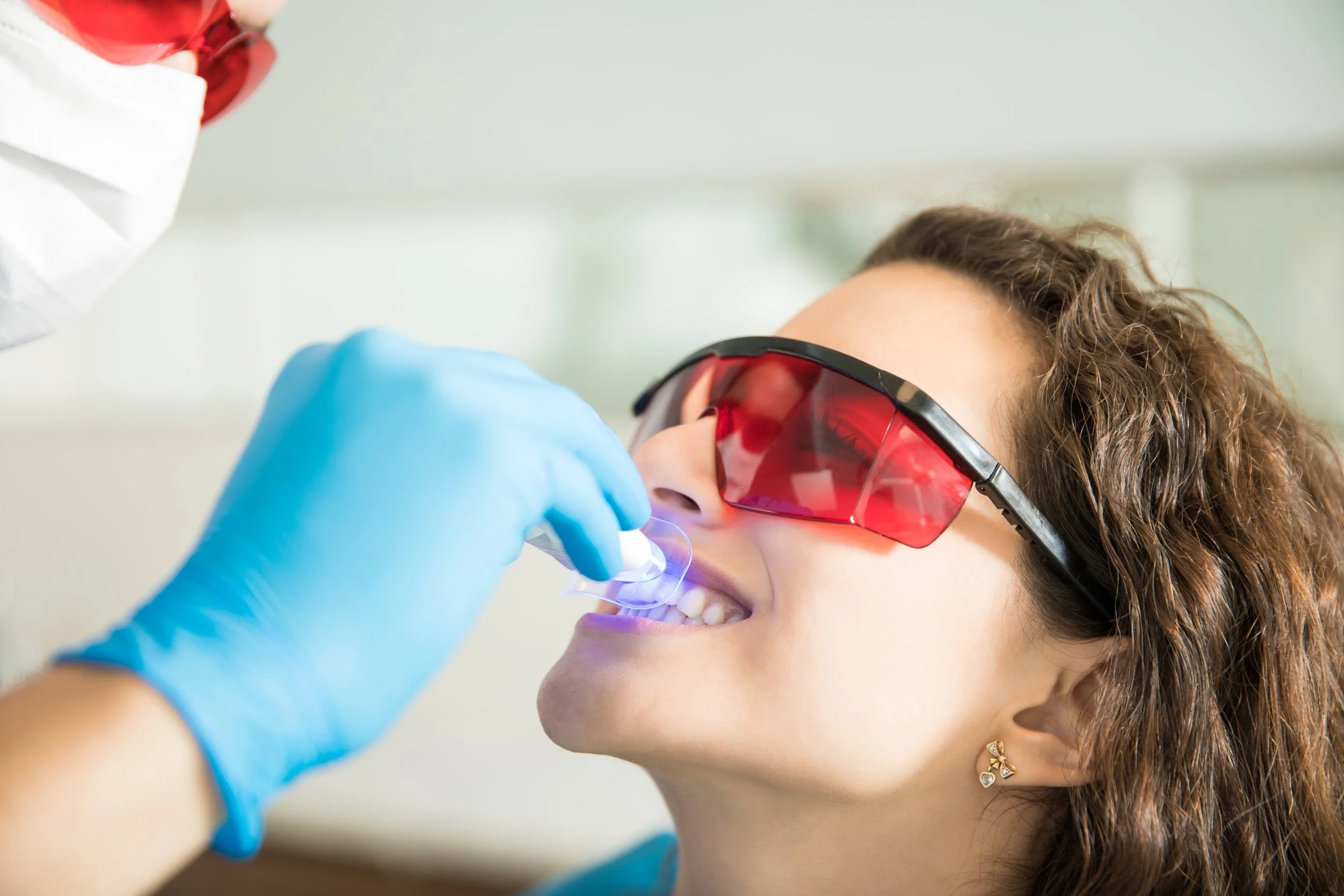
  • In some cases, we apply light technology to improve the results.

  • The procedure repeats itself in brief cycles till you attain your preferred shade.

The entire session usually takes about an hour. By the end, you’ll already notice a visible difference in your smile.

Aftercare That Keeps Your Results Looking Fresh

Once you get done with your treatment, your goal shifts to maintaining that smile. The first 48 hours are particularly important as your teeth are more likely to be stained during this duration.

This is where the real benefits of professional teeth whitening show up. You don’t just get results, you get a clear plan to maintain them.

Here’s what is usually recommended:

  • Limit the use of dark-coloured beverages such as coffee and wine in the short run.

  • Keep up a healthy brushing and flossing regimen.

  • Apply touch-up kits recommended by the dentist.

Our Approach to Whitening and Smile Care

At Valley Creek Dental Care, whitening is not treated as a standalone fix. It is part of a complete cosmetic and preventive care system that supports your overall smile.

How we support your whitening results:

  • Preventive Care: Regular cleanings remove buildup and keep your teeth ready for whitening

  • Cosmetic Dentistry: Treatments like bonding and veneers help improve shape and symmetry

  • Whitening for Life Program: Long-term whitening support designed to help maintain your results

  • Advanced Technology: Modern tools ensure safe, precise, and consistent treatment outcomes

  • Comprehensive Care: From implants to Invisalign, we make sure your entire smile works together

We specialize in combining treatments in such a way that your smile appears natural, balanced and healthy, not just white.

Comfort and Safety Stay a Priority

We know that sensitivity, or damage, may be one of your greatest fears. That’s completely valid. But with the help of professional whitening it is all regulated and controlled.

Depending on your sensitivity, dentists will adjust the whitening agents to be stronger or weaker. For sensitive teeth, they are extra careful in order to make you feel comfortable during the procedure.

This level of care is what differentiates professional whitening from the store-bought options. You’re guided the whole time.

How Long Can You Expect Results to Last

The effects of whitening are not permanent but with proper habits, they can last a long time. An important factor here is your lifestyle. Things like coffee, smoking and oral hygiene also influence the length of your results. 

By taking good care of it and making some touch-ups, you can keep your smile healthy and bright for months or even years.

Final Thoughts

A brighter smile can improve your everyday mood, and the process to get one is much easier than you imagine. By picking the best teeth whitening you are picking safe, natural and long-lasting results.

If you’re ready to fix your smile and get brighter teeth, visit us at Valley Creek Dental Care to get results that truly show.