

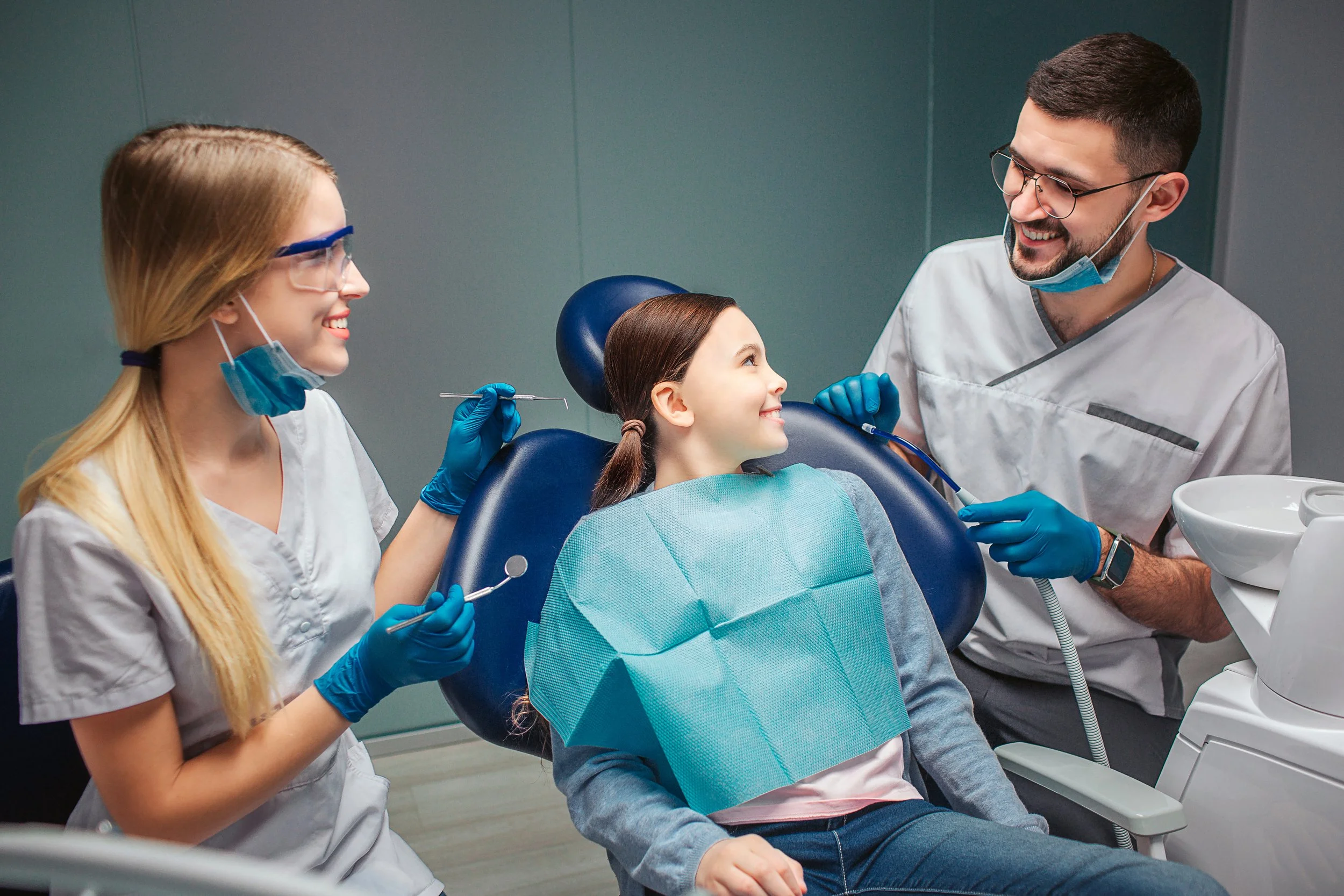
Benefits of Family Dentistry Services for Maintaining Strong Teeth and Gums

When you think about your oral health, you should not just consider brushing or flossing your teeth. Good oral health comes from creating a routine that works in the long run. That is where family dentistry services come in. You are not just fixing problems as they show up. You are setting up a system that helps you stay ahead of them. 

When you regularly visit the same dental team, things get a lot easier. They already know your history. They understand what your teeth need. And this consistency keeps your teeth strong and your gums healthy in the long run.

Preventive Care: One of the Major Benefits of Dental Visits

Preventive care is what keeps everything simple. When you go in regularly, your dentist can catch small issues early. You are not just getting your teeth cleaned. You are getting a full check on what is going on. Early indications of issues like cavities or gum irritation can be identified through regular dental visits. That can save a lot of time and effort and help you stay on track.

According to CDC data, 1 in 5 adults aged 20 to 64 in the US currently has at least one untreated cavity, and by age 9, half of all children have already experienced cavities. That makes regular visits through family dentistry services not just a recommendation but a practical necessity for every age group in your household. 

Consistency Across Every Age Group 

As you grow up, your dental needs keep changing. Family dentistry makes sure your care keeps up with that. Kids get used to the dental space early and feel more comfortable. When they grow into adults, it feels easier when they have their past dental records in one place. This allows dentists to easily go through their dental history and maintain the work already done. The main benefit is that you do not have to explain everything again to a new dentist. You have all your records in place which makes your experiences smoother.

Early Detection of Dental Issues 

A lot of dental problems do not show up suddenly; they build slowly. That is why regular visits matter. Your dentist notices minor issues that you may ignore. When these are treated early, you avoid bigger problems later. You stay in control of your dental health instead of reacting to it.  

Services That Support Your Complete Oral Health

A good dental routine needs more than just checkups. You need services that cover every part of your oral health. At Valley Creek Dental Care you get access to treatments that support both prevention and repair in a simple way.

  • Routine exams and professional cleanings

  • Tooth colored fillings for cavities

  • Crowns and bridges to restore damaged teeth

  • Cosmetic options like teeth whitening

  • Preventive care such as sealants and fluoride

  • Periodontal care that focuses on gum health 

When you have all this in one place, you do not need to keep changing clinics. Your dental care stays consistent and clear.

Building Lifelong Oral Hygiene Habits

Education is one of the less apparent but equally important benefits you get when you choose family dentistry. Frequent checkups provide guidance on how to brush, floss and eat food that is good for oral health. This is particularly helpful for children and teenagers who are still developing their habits. Good practices often get reinforced when taught early on in their lives. 

Stronger Focus on Gum Health

A healthy smile is based on healthy gums. Family dentistry puts a great emphasis on gum care, which is significant to general oral health. It removes gum disease-causing plaque and tartar. Issues such as Gingivitis can be reversed in early stages and more complicated issues can be resolved by seeking professional treatment at the right time. 

Community-Centered Care You Can Rely On

When you choose a trusted provider such as Valley Creek family dentistry, you will be guaranteed quality care that is reliable and personalized to your needs. Community-based practice recognizes the needs of patients in the locality and establishes long-term relationships instead of single visits. This approach develops a sense of responsibility and trust, which eventually helps you in your oral health journey.

Final Thoughts

You cannot get strong teeth and healthy gums overnight. They can only be achieved by regular care, early intervention and the right dental support system. Family dentistry services provide an organized approach that simplifies oral care in the long run.

If you want to maintain your oral health through regular checkups, contact us at Valley Creek Dental Care and experience the reliable approach they use to treat all their patients.
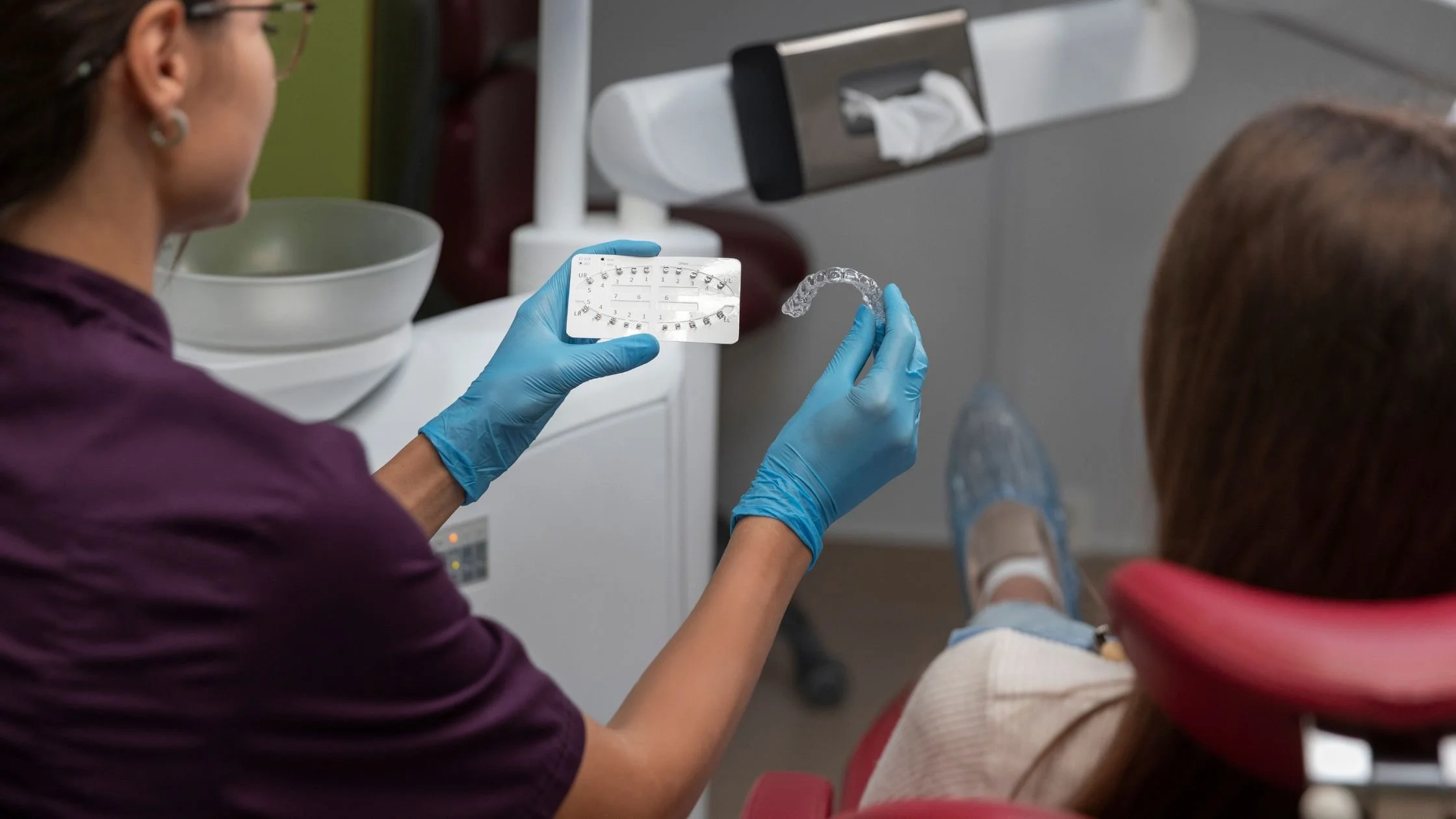

Understanding Invisalign TX Treatment Options for Mild to Complex Cases

Earlier, achieving a straighter smile used to mean a multi-year commitment to metal brackets and wires. Today, modern dental technology has managed to totally transform the orthodontic landscape. Clear aligners are known to offer a discreet and comfortable alternative to traditional braces.

Many patients ask a common question and that is whether Invisalign is powerful enough to fix their specific dental issues. Data from the National Health and Nutrition Examination Survey (NHANES) shows that only about 35% of U.S. adults have well-aligned teeth and approximately 20% have some form of bite deviation. Whether you have a minor gap or a more complex bite misalignment, Valley Creek Dental Care utilizes advanced 3D imaging to treat a wide spectrum of orthodontic needs.

Why Invisalign is a Revolutionary Choice

Invisalign isn’t just a simple plastic tray; it is a sophisticated system using SmartTrack material. This medical-grade plastic is designed to provide a snug yet comfortable fit while applying the precise, gentle pressure needed for predictable tooth movement. Unlike "at-home" aligner kits, Invisalign, TX treatments at our office are supervised by dental professionals who map out a virtual roadmap for your smile before your first tray is even fabricated.

Invisalign Treatment Options for Mild Cases

For many adults and teens, the goal is to address minor aesthetic concerns or "cosmetic alignment." Mild cases typically involve:

  • Minor Crowding: When there isn't quite enough room for teeth to fit normally.

  • Small Gaps (Spacing): The process of closing unnecessary gaps between teeth protects against plaque accumulation.

  • Slight Relapse: The condition affects people who wore braces in the past but their teeth have moved since that time.

In these mild cases, the treatment period is significantly shorter. While the average Invisalign case takes about 12 months, minor misalignments can sometimes be resolved in as little as 6 months. Such options prove to be a faster path to a perfect smile, that too with fewer aligner changes.

Navigating Moderate to Severe Orthodontic Issues

More detailed planning and heavy lifting are required to achieve the desired results in moderate cases. These often involve rotating teeth or addressing more pronounced misalignments.

To manage these movements, we use tiny, tooth-colored "bumps" placed on the teeth. Since they act as handles for the aligners, they allow them to exert the required force for complex tooth attractions that are difficult for the aligners to achieve alone. This ensures that even moderate cases receive the same level of precision as traditional orthodontics.

Can Invisalign Handle Complex Cases?

A decade ago, complex bite issues were strictly the territory of metal braces. Today, that has changed. Invisalign TX treatment options now extend to more severe conditions, including:

  • Overbites & Underbites: Correcting how the upper and lower teeth overlap.

  • Crossbites: When upper teeth sit inside the lower teeth.

  • Open Bites: When the front teeth don't touch when the mouth is closed.

  • Protrusion: When the top teeth angle outward significantly.

To cater to these complex cases, the team at Valley Creek Dental Care focuses on bite alignment as well as tooth positioning. By using advanced 3D computer imaging, we can simulate the movement of the jaw and teeth to ensure functional improvement as well as aesthetic beauty. As we often discuss, why choosing an Invisalign specialist matters is particularly true for these cases, as expert supervision ensures the roots and nerves are protected throughout the journey.

The Invisalign Process: What to Expect

Understanding the process will help you set realistic expectations for your transformation:

  • 3D Digital Scanning: We use advanced imaging technology (like the iTero® scanner) to capture a 3D model of your teeth. No messy impressions are required.

  • Virtual Roadmap: Using specialized software, we create a step-by-step digital representation of your treatment, allowing you to see the expected outcome before you start.

  • Custom Fabrication: A series of clear aligners is crafted specifically for your mouth.

  • Daily Wear: Each set of aligners has to be worn for approximately 1 to 2 weeks for around 20-22 hours a day. They should only be removed to eat, brush and floss.

  • Regular Checkups: Your progress can be monitored via periodic appointments that usually occur every 4-6 weeks.

Why Choose Invisalign in McKinney, TX?

The practice of selecting an Invisalign system provider in McKinney, TX requires residents to choose their nearby treatment center for their dental needs. The remote aligner companies do not have the capability to assess gum conditions and tooth sensitivity problems, which represent essential information needed for safe transformation. At Valley Creek Dental Care, we provide patients with clear aligner treatments, which dental professionals supervise throughout the entire process.

Start Your Journey to a Straighter Smile

Whether you are someone who is dealing with a simple gap or a complex bite issue, there is an Invisalign designed for you. The very first step is to consult in order to determine the severity of your case and then create a customized plan.

Ready to see your future smile? Visit Valley Creek Dental Care today to explore your options and begin your journey toward a healthier, more confident you.

Affordable Teeth Alignment Solutions in McKinney: Your Options Explained

Are you someone looking to fix their smile but keep delaying it? Well, you are not alone. A lot of people think it is too costly and takes quite some effort. The truth is that today’s teeth alignment solutions are far more flexible and easier to manage than most people expect.

You can easily get those modern dental care solutions in McKinney to fix your oral health without complicating things. Whether you want something subtle or something traditional, you will find an option that will match your needs and your budget.

Why Teeth Alignment Matters More Than You Think

Teeth alignment is not just about the looks. It also contributes to your overall oral health. When your teeth are aligned properly everything feels easier.

You can clean your teeth better which helps reduce plaque and lowers the chances of cavities or gum problems. It also takes pressure off your jaw so you are less likely to deal with discomfort later on. There is also a shift in how you feel. Your smile appears to be more genuine when you do even basic things like speak and laugh. 

In fact, nearly half of adults over 30 in the U.S. already show signs of gum disease, which makes proper alignment even more important.

Exploring Cost-Effective Teeth Straightening Options

If budget has been the primary factor that prevented you from starting on your teeth-straightening process, nowadays there are budget-friendly teeth straightening methods which deliver better results than previous treatments. The right cost-effective method of straightening your teeth is the one that suits your needs and your routine.

  • Traditional Braces: The use of traditional braces continues to be an effective method for achieving proper dental alignment. They work well for more detailed cases and have become much more comfortable over time. The results are steady and reliable which is why many people still choose them.

  • Clear Aligners: Clear aligners are ideal if you want something simple and low profile. They are nearly invisible and you can remove them when eating or brushing. This makes it easier to stick to your routine without big adjustments.

  • Ceramic Braces: Ceramic braces offer a balance between the two. They are similar to traditional braces except that they match with your teeth making them less noticeable. This makes them a perfect option in case you want something effective and unnoticeable.

Out of all these options, the most effective one is what you feel most comfortable with.

Invisalign and Flexible Payment Opportunities

Invisalign has become a preferred option for many people looking for a modern way to straighten their teeth. It uses a series of clear aligners that slowly move your teeth into place.

You can remove them when you eat or brush which makes daily life easier. There are no wires or brackets so the experience feels more comfortable and less noticeable.

If you have been checking for Invisalign specials McKinney, TX you may find options that make this treatment more accessible than expected. Many practices offer payment plans that let you move forward without feeling overwhelmed by the cost.

Services That Support Teeth Alignment Goals

Teeth alignment works best when it is part of a complete approach to dental care. At Valley Creek Dental Care, you get services that support your smile at every stage.

  • Comprehensive Dental Exams: A proper exam helps build a treatment plan that fits your needs. It ensures you are starting with the right approach instead of a general solution.

  • Digital Imaging and Diagnostics: Modern imaging tools give a clear view of your teeth and structure. This helps plan your treatment with better accuracy and predict the outcome more clearly.

  • Preventive Care: Your teeth and gums are maintained by routine cleanings and checkups throughout the process. This helps prevent problems that could delay your treatment.

  • Cosmetic Dentistry Enhancements: When you have your teeth straightened, you can make it look even better by refining it. Some cosmetic enhancements can be used to create a more balanced and polished result.

Choosing the Right Option for Your Lifestyle

With so many options out there, it may get a bit confusing. The simplest step is to focus on what fits naturally in your routine.

Ask yourself these questions first:

  • Do you want something that is less visible or are you okay with braces?

  • Do you prefer something removable or fixed?

  • How flexible is your daily schedule?

  • What budget feels comfortable for you?

Considering these points will help you get a better idea of what you want.

What to Expect During Treatment

The teeth alignment process is not as complicated as people think. It starts with a basic consultation with your dentist where they understand your problems and your goals. 

Then you get a treatment plan curated for you. Once your teeth are aligned, you shift to the retention phase. This usually involves wearing retainers to keep your results in place. You just have to be consistent throughout the journey so you can maintain that smile for years.

Final Thoughts

Straightening your teeth is not just about the present. It is something that supports your health and confidence over time. With modern teeth alignment solutions you no longer have to choose between quality and affordability. You can get both of these in one treatment plan.

If you are someone looking to get their teeth aligned, visit us at Valley Creek Dental Care and receive curated treatment plans that fit your budget and your routine.

How Long Does It Really Take to Heal After Wisdom Teeth Removal? Myths vs Reality

Wisdom teeth, the final set of molars to emerge, are often associated with complications that lead to their removal. However, despite awareness, many patients walk into the procedure with many questions and even more misconceptions, and the recovery process remains shrouded in confusion. 

If you ask around, then you’ll hear wildly different stories: some say they were back to normal in just a couple of days, while others struggled with pain and limited jaw movement for weeks. These varying experiences can make it hard to know what to expect, especially when it comes to understanding how long wisdom teeth recovery takes.

The confusion isn’t just from anecdotal advice; it stems from the fact that everyone’s healing journey is different, and yet there’s a tendency to cling to general timelines. 

So, if you are planning to get your wisdom teeth extracted and are confused about the after-healing process, this blog is for you. We have busted many myths surrounding the treatment, which you should read about.  

The Basics of Wisdom Teeth and Their Extraction

Wisdom teeth, also known as third molars, typically emerge in your late teens or early twenties. These teeth are the last to emerge at the back of your mouth and are often problematic. 

Simply, when most people don’t have enough space in their jaws for them to grow properly, ignoring the removal of wisdom teeth can lead to implication, infection, or alignment issues with the rest of your teeth.  

When wisdom teeth cause trouble, the solution is often their extraction. But why do you need it? 

The procedure doesn’t end at its removal; the real story begins with its healing process, which is crucial in most cases. Let’s discuss each one. 

The Real Healing Timeline – Day by Day

To understand how long wisdom teeth recovery takes, here’s what you can expect each day as your healing process progresses.  

The First 24–48 Hours: The Beginning of the Journey

The first 48 hours after wisdom teeth removal are critical. This is when most of the swelling and discomfort will hit their peak. 

Right after the surgery, you’ll likely feel groggy and numb from the anesthesia effects, but as it wears off, the real recovery begins. You might notice some bleeding, which is completely normal, and swelling around your cheeks. 

A 2025 clinical trial involving more than 1,800 patients across five U.S. universities, led by Rutgers researchers, found that ibuprofen combined with acetaminophen provided better pain relief during the first two days after wisdom teeth removal than hydrocodone combined with acetaminophen. Patients receiving the non-opioid combination also reported greater satisfaction throughout recovery. The appropriate pain relief option depends on your medical history, so follow your dentist's or oral surgeon's recommendations.

Days 3–7: The Critical Healing Phase

By days 3 to 7, the pain should begin to subside, but don’t expect to be completely pain-free just yet. This is the phase where the body starts to form blood clots in the extraction area, which are essential for healing.

During this time, pain may peak but gradually subside, with prescribed painkillers or over-the-counter medication.  

Weeks 2–4: Getting Back to Routine

By the second and third week, most of the swelling will go down, and you should be able to resume normal activities. However, your gums will still be restoring, and the bone where your wisdom teeth once were will be undergoing a significant recovery process. 

This is when you might feel the urge to return to your full routine, including basic eatables (both hard and soft food items), drink consumption, etc., but remember, patience is key. Although your outer recovery may seem to be progressing, internal restoration is still taking place. Avoid any hard or chewy foods that might stress the tissue.  

6 Weeks and Beyond: Full Recovery

Most people fully recover within 6 weeks. By this point, the majority of soft tissue healing should be completed, and you can generally return to normal eating habits. However, the bone underneath where your teeth were extracted will continue to heal for several months.  

It’s not unusual for the bone to take a bit longer to completely regenerate, so if you're still feeling a minor inconvenience months after the surgery, don’t panic; it’s all part of the process.   

What Activities Can You Resume During Wisdom Teeth Recovery?

Activity What to keep in mind
Returning to work or school Many people need a few days off, depending on the procedure and how they feel.
Exercising Avoid strenuous activity for the period recommended by your dentist or oral surgeon.
Driving Do not drive while affected by sedation or medications that impair alertness. Follow your provider's instructions.
Smoking or vaping Avoid these during early healing because they can interfere with recovery and increase dry socket risk.
Eating regular foods Reintroduce firmer foods gradually as comfort improves and your dentist advises.

Note: Recovery instructions vary according to the complexity of the extraction, the type of anesthesia used, and individual healing. Follow your dental professional's specific instructions.

Common Myths vs the Reality of Healing

You’ve probably heard all sorts of myths about wisdom teeth removal, from exaggerated recovery stories to fast-track healing promises. Let's bust some of the most common myths versus realities.

Myth 1: Your Teeth will Be Back to Normal in 3 Days

Reality: While the soft tissue around your wisdom teeth may recover quickly, the bone graft healing and deeper layers take much longer. Expect some pain for several days and possibly weeks as your body continues to heal.  

Myth 2: Dry Socket Happens to Everyone

Reality: Dry socket is an unpleasant condition where the blood clot at the extraction site dislodges, leaving the bone exposed. It is important to note that it does not affect every individual undergoing extraction.  

With proper care, such as avoiding sucking motions (consuming liquids from straws) and sticking to the prescribed aftercare, you can significantly reduce the risk of developing dry socket.  

Myth 3: You Can Eat Anything After 2 Days

Reality: Eating solid foods too early can disrupt the restoration process and even lead to complications. Stick to soft foods for at least the first couple of weeks to avoid irritating the extraction sites.

Myth 4: You Shouldn’t Brush After Surgery

Reality: While it’s true you’ll need to be gentle around the surgical area, keeping your mouth clean is crucial for preventing infection. Your dentist or surgeon will give you instructions on how to gently brush your teeth and rinse your mouth, which helps speed up recovery.   

Myth 5: Everyone Has the Same Recovery Time

Reality: Recovery times vary depending on many factors, such as age, the complexity of the extraction, and how well you follow post-operative instructions. Some people may recover faster than others, and that's perfectly normal. 

The timeline mentioned above is general, but individual experiences can differ.

What Should You Do - Tips for a Smoother Recovery

To ensure a smooth recovery after wisdom teeth removal, here are some essential tips:

Follow Aftercare Instructions

Stick closely to your McKinney dentist's aftercare guidelines to prevent complications and ensure proper healing.  

Stick to a Soft Diet

Easy-to-chew foods like mashed potatoes, yogurt, and smoothies. Avoid anything hard, crunchy, or spicy that could irritate the extraction area in the mouth.  

Keep the Area Clean

Gently brush your teeth and rinse with salt water as advised by your dentist. Proper oral hygiene helps prevent infection.

Watch for Complications

Look out for signs like persistent bleeding, severe pain, or fever. If these occur, contact your dentist immediately.

Rest and Hydrate

Get plenty of rest and drink lots of water to aid the healing process. Avoid strenuous activities that could disrupt the recovery.  

Conclusion

Wisdom teeth removal recovery does not follow the same timeline for everyone. Pain and swelling are usually more noticeable during the first few days and gradually improve as the extraction sites heal. The complexity of the procedure, your overall health, and how well you follow aftercare instructions can all affect recovery. Understanding the difference between common healing symptoms and possible complications can help you manage recovery with realistic expectations.

At Valley Creek Dental Care, patients can receive personalized guidance on wisdom teeth removal and recovery care based on their individual needs. The dental team can explain what to expect after extraction, how to care for the surgical site, and when to seek further attention. If you are planning wisdom teeth removal or have concerns about your recovery, contact Valley Creek Dental Care to schedule a consultation. Following professional advice and attending recommended follow-up visits can help you recover safely and identify concerns that need attention.

FAQs

 1. How long does wisdom teeth removal recovery usually take?

Most people begin feeling better within several days, although swelling and discomfort can take one to two weeks to improve substantially. Complete healing of the underlying bone takes longer.

2. When does swelling peak after wisdom teeth removal?

Swelling typically peaks around 48–72 hours after surgery before gradually decreasing. Contact your dentist if it worsens after initially improving or comes with fever or other concerning symptoms.

3. When can I eat normally after wisdom teeth removal?

Start with soft foods and gradually reintroduce firmer foods as your comfort improves. Avoid hard, crunchy, or chewy foods that may irritate the extraction sites until your dentist advises they are safe.

4. How can I tell if I have dry socket?

Dry socket can cause severe or worsening pain a few days after extraction, sometimes spreading toward the ear, along with an unpleasant taste or odor. Contact your dentist if you experience these symptoms so the area can be examined.

5. When should I contact my dentist after wisdom teeth removal?

Contact your dentist if you develop persistent or worsening severe pain, increasing swelling, fever, pus, or bleeding that does not stop with the recommended pressure. Difficulty breathing or swallowing requires emergency medical attention.


What to Expect During Your Full Mouth Treatment Journey and Recovery Time

If you have been considering getting a full-mouth treatment, you likely need a solution that will address multiple dental problems at once. A full-mouth treatment is not merely a way of improving your smile. It is also related to making your teeth stronger, making your bite more comfortable and fixing the overall health of your mouth. 

At professional dental clinics, your treatment is set in a way that feels structured and not rushed. The process is fully guided and you always know what is next and why it is important for you.

In fact, the CDC notes that 1 in 5 U.S. adults aged 20 to 64 has at least one untreated cavity, which shows how common it is for dental issues to build up over time and require more comprehensive care.

Understanding the Scope of Treatment

A full mouth approach is completely tailored to you. Instead of solving one issue at a time, it resolves several issues together. 

This is essentially what a full mouth reconstruction does. It combines multiple treatments to restore your smile in a way that improves its functionality and looks. You are not just repairing damaged teeth; you are restoring balance across your mouth.

This type of treatment may be required if you have worn or missing teeth, bite problems or persistent pain. The goal is to make your overall oral health better. 

Your Initial Consultation and Planning Phase

Your treatment process starts with a detailed consultation. This is where your dentist takes the time to know about your oral health and what you would like to achieve. 

At this stage, a complete evaluation with such methods as digital scans and X-rays can be expected. This helps in drawing a clear picture of what needs to be done with your teeth.

You will also talk through your goals. Whether you want comfort, function or aesthetics, your treatment plan will be according to that. The goal is to make your treatment feel personal and not generic. 

Procedures Involved in the Process

Your treatment plan will include a combination of procedures that will work together to restore your smile. 

Here are some of the common treatment procedures:

  • Implants to substitute lost teeth.

  • Crowns and bridges to restore strength and structure

  • Veneers to enhance the look of your smile.

  • Root canal therapy to treat infection.

  • Gum treatments to support periodontal health

Nothing is rushed. Each step is spaced out so your mouth has time to heal and adjust properly.

What Happens During Treatment

As soon as the plan is in place, the treatment begins and is carried out in phases. This simplifies the treatment and gives more stable results in the long run.

You will notice there is a clear sequence to everything. In some cases, temporary solutions are used before final restorations are placed. This helps maintain both function and appearance while your mouth heals. Your dentist monitors you at each stage and makes adjustments whenever necessary to ensure you are comfortable.

Recovery Time: What You Should Know

Recovery is a significant part of the journey and it depends on the treatment involved. 

Some procedures may cause mild sensitivity or some mild discomfort. This phase can be made a lot easier by following some basic care instructions. For treatments like implants or gum procedures, healing takes longer. But this is already considered in your treatment plan so it doesn't feel unexpected.

In a proper treatment plan, you also get guidance on what to do before, during and after-a-major-dental-restoration-procedure. Every stage has a purpose and you are supported throughout.

Services That Support Your Treatment Journey

At Valley Creek Dental Care, your treatment is backed by a range of services that come together to create a complete solution.

These include

  • Restorative dentistry, to reconstruct and repair teeth.

  • Long-term tooth replacement using dental implants.

  • Cosmetic dentistry to enhance your smile

  • Periodontal therapy to promote gum well-being.

  • Preventive care to keep your results consistent.

Each service plays a role in making sure your outcome lasts. The focus is always on stability, comfort, and long-term results.

Life After Your Treatment

Once your treatment is complete, you move into a maintenance phase. This phase involves taking good care of your oral health following all the procedures.

It is important to remain regular with dental visits and home oral care. The practices will ensure that you maintain your results and avoid problems in the future. In the long run, you start seeing noticeable changes in your oral health. Eating feels easier, your smile feels natural and your confidence improves.

Final Thoughts

Undergoing a full mouth treatment is a big decision but it can make your attitude toward oral health change completely. This is a well-thought-out process that allows you to be comfortable and watch gradual improvement in your oral health.

If you have been waiting for the right time to get a full mouth treatment, now is the time to visit Valley Creek Dental Care and get rid of all your dental problems for good.