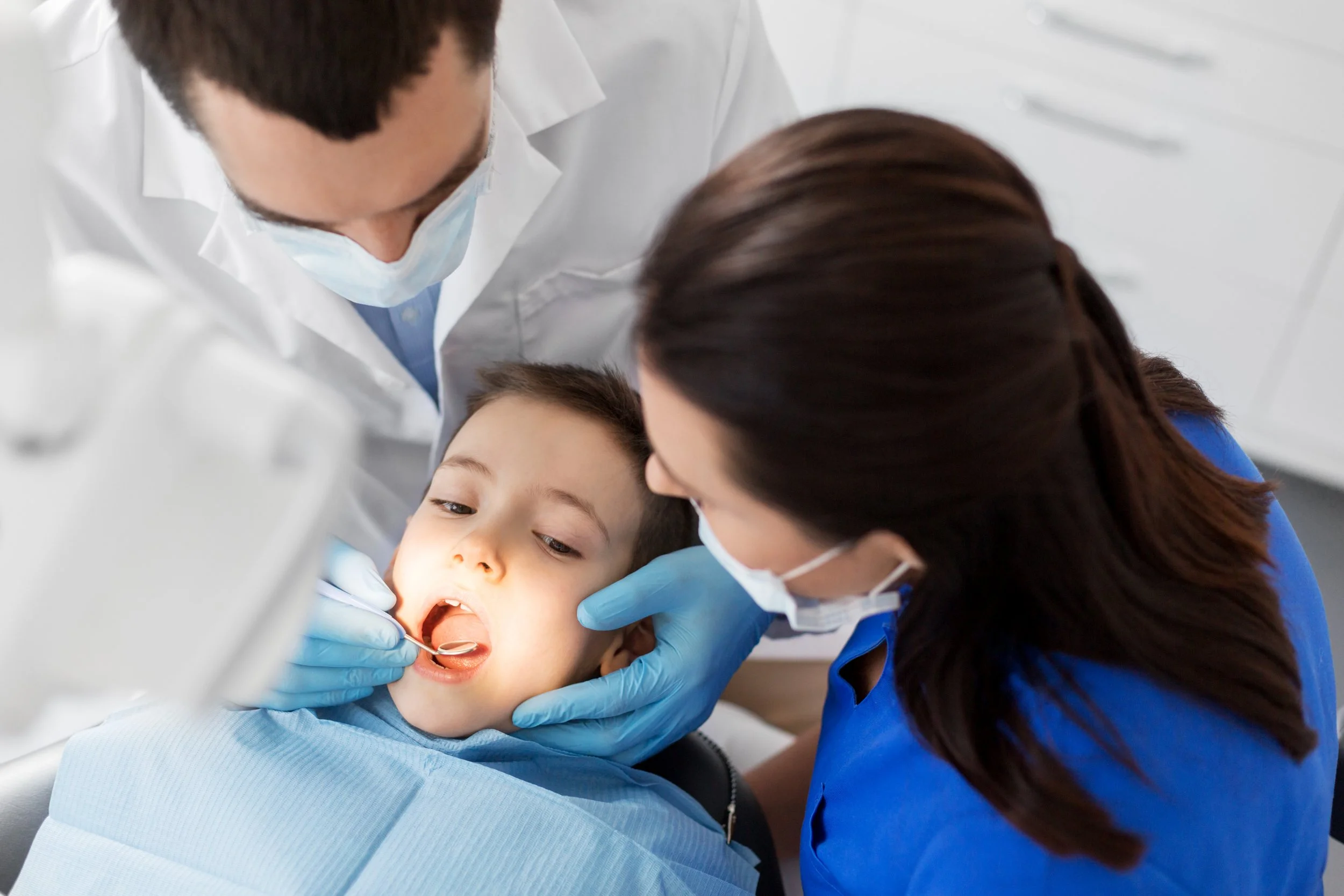


How Mouth Reconstruction Supports Healthy Function and Natural Smiles

When several teeth are damaged or missing, the impact is rarely limited to your smile. Your bite can change, chewing may become uncomfortable, speech can feel different, and everyday habits you once took for granted may require more effort. Over time, these problems can affect how your entire mouth functions.

Mouth reconstruction takes a broader approach by addressing multiple dental concerns as part of one treatment plan. Rather than simply replacing what is missing or repairing what is damaged, the goal is to restore the way your teeth, bite, and supporting structures work together.

The result is not just a more complete smile. It is a mouth designed to function more comfortably, support everyday activities, and give you greater confidence in how your smile looks and feels.

Restoring Proper Chewing and Speech

Every tooth in your mouth has a special job to do. Your front teeth cut up your food. Your back teeth grind it down into tiny, safe pieces. When several teeth are broken or missing, your remaining teeth must work twice as hard. This unfair workload makes chewing very hard. It can even force you to stop eating healthy, solid foods that you love.

Rebuilding your dental setup makes sure bite pressure spreads out evenly across your jaw. With a balanced set of strong teeth, you can enjoy many foods without any pain.

Missing or shifted teeth can also change how air moves through your mouth when you talk. This issue can cause minor slurs or quiet whistling sounds. By fixing tooth position and height, treatment helps you speak clearly and naturally again.

Stopping the Cycle of Tooth Damage

When a few teeth break, nearby teeth face extra stress. They often slide out of place. This shift creates odd gaps where food particles and bad bacteria hide. These hidden spots raise your risk for tooth decay and painful gum problems.

By opting for a personalized full mouth reconstruction, your dentist fixes several problems all at once. They do not just place quick patches on issues as they pop up. Instead, a complete repair plan solves the true root causes. It builds a clean, stable space that protects your natural teeth from future wear, cracks and bad alignment issues.

If you want to know how doctors plan these multi-step repairs, you can read about what to expect during your full mouth treatment journey and recovery time. This guide helps you prepare for each step along the way.

Relieving Jaw Tension and Chronic Discomfort

Your teeth and jaw joints team up as a single system. When missing or worn teeth throw off your bite, your jaw muscles adjust. Over time, this ongoing strain can bring about many painful problems, such as:

  • Sore jaw muscles and clicking joint noises

  • Frequent tension headaches or deep neck pain

  • Unconscious teeth grinding while you sleep at night

  • Flat, chipped or weak tooth enamel

Fixing your bite alignment takes heavy pressure off your jaw joint and side muscles. Many patients feel much less face pain and fewer headaches once their teeth fit together nicely again.

The Key Benefits of Mouth Reconstruction

Investing in complete smile repair provides great perks that go way beyond simple look fixes. Here are the main benefits of mouth reconstruction:

  • Better Digestive Health: Food that is chewed well digests much easier. This helps your body absorb vital vitamins without upset stomachs.

  • Strong Structural Support: Restoring lost tooth height helps support your cheeks and lips. This preserves your natural face shape over time.

  • Higher Self-Confidence: A full, healthy set of teeth lets you laugh, talk and smile near others without hiding your mouth.

  • Custom Treatment Plans: Every repair strategy is built for your unique needs. Doctors mix crowns, bridges or implants for a precise fit.

Learning these key benefits of mouth reconstruction shows why fixing core problems early saves you time, pain and money later on.

Protecting Your Gums and Facial Structure

Teeth do a lot more than just sit in your mouth. Their roots stimulate your jawbone every single time you bite down. When a tooth is gone, the jawbone under that gap slowly shrinks away. This bone loss can cause nearby teeth to loosen up and change the shape of your lower face.

Complete dental restoration often uses solid tooth replacements that act just like natural roots. This keeps your jawbone strong and healthy. It also gives your gums the firm support they need. Since research shows that 2 in 5 adults over age 30 suffer from gum disease, protecting these tissues is vital. Healthy gums act like a shield against bad infections, forming the base for a strong smile.

A Dental Practice Built Around Your Long-Term Smile

Your dental care should not stop at treating the problem that brought you into the office. Maintaining a healthy smile means having access to the right care at every stage, from routine preventive visits to restorative, cosmetic, and emergency treatment. A comprehensive approach can make it easier to protect your oral health while addressing concerns as they arise. 

At Valley Creek Dental Care, you can receive comprehensive dental care with a focus on comfort, personalized treatment, and long-term oral health. From preventive and family dentistry to cosmetic and restorative treatments, the team can help you find the right approach for your individual needs. Schedule a visit with Valley Creek Dental Care and take the next step toward a healthier, more confident smile.

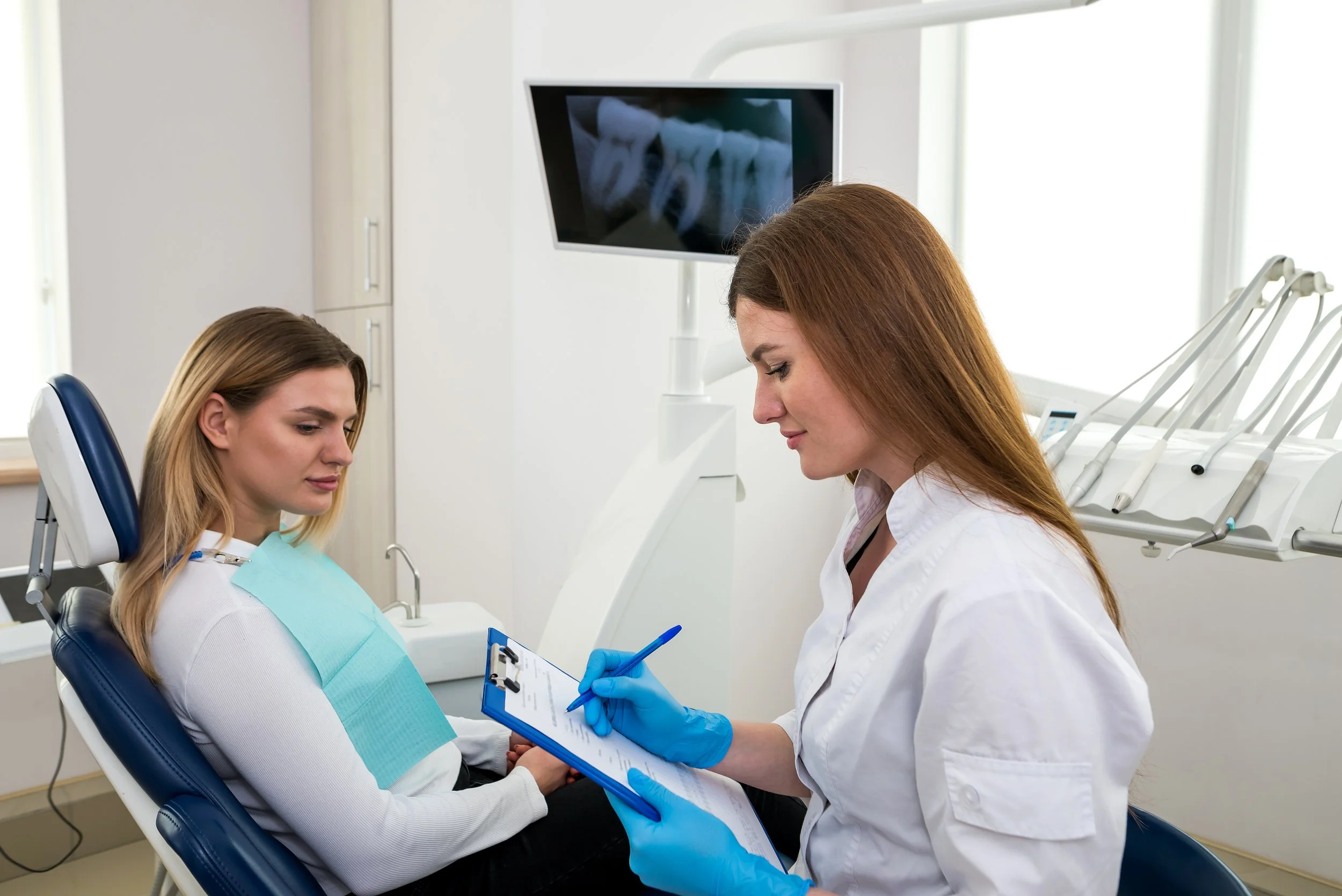
How Family Dentistry Supports Better Oral Hygiene and Long-Term Smile Health

Taking care of the oral hygiene of an entire family is not an easy task. The children might need assistance in brushing their teeth, while teens might have developed some new issues in their oral health. Adult members need preventive and corrective measures. All of this would get much easier if the family could follow a proper schedule when it comes to their dental appointments. 

Knowing the benefits of family dentistry can be very helpful to you and will definitely help you and your family realize the importance of seeking professional assistance in taking care of your teeth. Examining, cleaning, giving tips and early diagnosis are among the many that make up proper teeth care.

How does Family Dentistry Help Improve Oral Hygiene?

Identification of Issues

Sometimes there are some dental issues that may occur without causing any visible signs at all. Regular examinations allow dentists to look for cavities, gum problems, enamel wear, cracked teeth, and other concerns. The Centers for Disease Control and Prevention reports that 1 out of 5 adults between the ages of 20 and 64 years old has at least one decayed tooth that has not been treated, while 1 out of 10 teenagers between the ages of 12 and 19 years old has one too. 

Steps towards Better Oral Health Habits 

Professionally recommended practices can be more helpful in improving daily oral hygiene practices. Dentists can educate children about the correct brushing method, and parents can be told how to help their young children in case such assistance is required. Families can be provided guidance regarding flossing, using fluoridated toothpaste, and oral cleaning around the dental restoration. 

Provides Dental Recommendations Tailored to Your Age

Not all family members will have identical dental requirements. Children will have particular needs relating to their primary and permanent teeth, fluoride, and bite development. Teens may require recommendations in relation to orthodontics and maintaining good hygiene practices when wearing braces and other devices. Older people may require additional attention on matters like gingivitis, enamel erosion, among others that come with old age. Valley Creek family dentistry is able to give special recommendations in regard to each individual patient's age and oral hygiene.

Encourages Good Oral Hygiene Habits at Home

The time in between appointments is just as critical as well. There are several ways that the parents can assist in promoting good oral hygiene practices through brushing teeth twice a day, flossing, cutting down on sugar intake, and drinking water instead of any other beverage. The parents can further motivate the children by making oral hygiene part of family activities.

Oral Health is Maintained throughout Various Stages of Life

Since there are different requirements for oral health care in children, adults and even in old people, a regular dental appointment helps in detecting the changing requirements and making modifications accordingly. A child might need assistance with their permanent teeth while an adult may need preventive or restorative treatment. Maintaining a relationship with a dental practice makes it easier to address these changing needs over time.

What Family Dental Visits Can Include

The exact care provided during a dental visit depends on a person's age, oral health, and treatment needs. Family dentistry services can include:

  • Regular Dental Examinations

  • Dental Cleanings

  • Detection and Filling of Cavities

  • Evaluation of Gum Health

  • Fluoride Application When Necessary

  • Monitoring Tooth and Biting Development in Children

  • Individual Oral Hygiene Tips

Such regular check-ups enable the dentist to modify dental care according to the state of your oral cavity. Such an approach enables families to have proper dental care without treating all patients alike. 

Simple Habits Families Can Follow Every Day

Professional dental care works best when supported by simple habits at home. Families can make oral hygiene easier by building these practices into their daily routines:

  • Brush twice daily with fluoride toothpaste.

  • Floss regularly. 

  • Avoid having sugary snacks and drinks often.

  • Promote drinking water to children.

  • When the brush becomes old, replace it. 

  • Don’t use your teeth when opening containers.

  • Go for regular dental check-ups. 

Small habits can have a meaningful effect when practiced consistently. Combining these routines with professional dental care helps families protect their teeth and gums over time.

Make Long-Term Oral Health a Family Priority

The benefits of family dentistry extend beyond the convenience it provides. Dental appointments regularly ensure that you remain organized with your checkups while still receiving customized dental advice for everyone. Regularly keeping an eye on each member of the family also enables easy identification of any changes and dealing with the issues before it gets too late. 

Selecting a dental team that is aware of the different needs of each age range can make dental care easier for the whole family. Valley Creek Dental Care team offers individualized dental care that will assist you during various life stages. Make an appointment to discuss your family’s dental health needs and learn about how individualized care can help keep you and your loved ones smiling and healthy. 

What to Know Before Scheduling a Teeth Whitening Appointment in McKinney

A brighter smile can improve the appearance of your teeth and also boost your self-confidence. However, teeth whitening is not simply selecting the right whitening product and applying it. Your teeth' conditions, nature of the stains, and oral health are factors that influence the result of teeth whitening. This information will allow you to choose the safest and most realistic teeth whitening procedure.

If you are looking for a professional teeth whitening guide, first of all, try to find out if teeth whitening is appropriate for your teeth. It is necessary to consult a dentist to learn about any problems with your teeth and the method of whitening that would suit you best. 

What Should You Know Before Scheduling Teeth Whitening

Prior to getting treatment, it is wise to take into account the health of your teeth, the reason for the discoloration, and the kind of teeth whitening process.

Understanding the Reason for Tooth Staining

Tooth staining may happen due to the consumption of coffee, tea, soda, cigarettes, food, age, and poor dental care habits. The stain on the teeth could be external or internal.

The reason behind tooth discoloration plays an important role in determining the effectiveness of the treatment. Teeth whitening dentists in Mckinney TX will help identify the possibility of successful treatment. 

Examine Your Oral Condition First

Whitening is not meant to solve any existing cavities, gum disease, infection, and other oral health problems that you might have. You need to solve these issues first before considering whitening.

The American Dental Association advises visiting the dentist prior to any whitening as dental conditions make it more probable to become sensitive.

It is also a chance for the dentist to determine whether you can undergo the procedure. 

Understanding Different Whitening Treatments

Professional whitening might include the use of customized trays along with professional whitening gel. There are over-the-counter treatments, like whitening strips and whitening toothpaste.

Valley Creek Dental Care specializes in professional tray whitening. The clinic states that customized trays are combined with professional whitening gel and the procedure takes about 10 to 14 days. Some clients will see results after 3 to 5 days. 

Enquire Regarding Tooth Sensitivity

Sensitivity of the teeth is one of the most common problems associated with tooth whitening. Tooth sensitivity, along with gum irritation are possible side effects of tooth whitening.

How Can You Prepare for Professional Teeth Whitening

These few tips will help you to get ready for the procedure:

  • Schedule a dental exam. Your dentist will be able to examine you and discover if there is any cavity, problem with the gums, tooth sensitivity, etc.

  • Think about having your teeth professionally cleaned. Cleaning off plaque can provide a better base for whitening your teeth.

  • Tell your dentist what you expect from the whitening procedure. 

  • Find out the duration of the treatment and whether the treatment will be done either at home or inside the office.

  • Talk about sensitivity. Inform your dentist whether you have sensitive teeth.

  • Inquire about your existing restorations. Find out the effect that the crowns or veneers will have on the outcome.

  • Find out about aftercare. Find out which foods and drinks you will have to avoid after your whitening treatment. 

Those patients seeking to undergo professional teeth whitening at McKinney should also inquire about the whitening technique used. 

What Does Research Say About Teeth Whitening Sensitivity

One of the key issues associated with tooth whitening is sensitivity, which, according to the latest studies, may change based on many factors like the type of bleaching procedure and the level of peroxide content. 

A 2024 systematic review analyzed five studies involving 387 participants and examined the effectiveness of desensitizing toothpastes during tooth bleaching. The review found that some desensitizing toothpastes could help reduce sensitivity associated with bleaching, although results varied between treatment protocols. This study clearly demonstrates how different each whitening treatment should be.

Questions to Ask Before Your Appointment

Consider asking:

  • What is causing my tooth discoloration?

  • Am I a suitable candidate for whitening?

  • Which whitening method do you recommend?

  • How long will the treatment take?

  • Could I experience sensitivity?

  • Will my fillings, crowns, or veneers change color?

  • How can I maintain the results?

If you are comparing teeth whitening dentists, these questions can help you evaluate the treatment approach instead of focusing only on cost.

A Smarter Way to Plan Your Teeth Whitening 

By following a professional teeth whitening guide, one will be able to know what to anticipate prior to the start of the treatment process. Several factors like one’s overall oral health, reason for staining, and desired outcome determine which option is appropriate. This will give an idea on what to expect during and after the treatment process. 

Teeth whitening consultations at Valley Creek Dental Care allow you to go through your desired whitening outcomes and discover professional tray whitening options that suit your specific needs. If you're thinking about having your teeth whitened, it is time to consult with the Valley Creek Dental Care team and find out if you qualify for any available whitening solutions. 

How a Quality Dentist in McKinney Helps Maintain a Healthy, Confident Smile

A healthy smile is built through consistent care, healthy habits, and regular dental visits. Although toothbrushing and flossing are a must, dental care is just as crucial for maintaining a healthy mouth and preventing oral problems. Consulting with a healthy smile dentist in McKinney will be beneficial for both your teeth and your overall oral health.

It is not only about choosing a nearby clinic or a convenient dental practice. The best dentists work on the principles of prevention, early detection, personal approach, and education. Being aware of what to expect from a dental practice will help you to make proper choices regarding your dental treatment. 

5 Ways a Quality Dentist Helps You Maintain a Healthy Smile

  1. Creates Personalized Treatment Plans

Each patient has unique needs when it comes to oral health care, personal behaviors, and their goals in treatment. A good dentist in McKinney, TX will conduct thorough evaluations and then give personalized advice based on your needs. Personalized treatment is informed by factors such as history and oral health conditions, and goals in the future. Getting treatment from a healthy smile dentist McKinney can help ensure that you get a personalized treatment plan. 

2. Uses Modern Dental Technology

Improvements in dental technology have led to improvements in diagnosing and treating oral diseases in an easier way. This is because dental technology has made it possible for dentists to diagnose any issue that cannot easily be noticed during a regular checkup. Through such advanced dental technology like digital X-rays, dentists have been able to show and educate their patients regarding the condition of their oral health. 

3. Supports Long-Term Oral Health

The maintenance of oral health is a continuous process that involves constant monitoring and management. Quality dentists always keep track of the developments in your mouth and can help detect issues before they get any worse. Together, prevention, proper treatment, and evaluation will all help ensure that you have strong natural teeth and avoid further problems down the road. Going to see a healthy smile dentist on a regular basis is very important for good oral health and your beautiful smile. 

4. Educates Patients About Daily Oral Care

The services offered by professional dentists are not the only means to maintain good oral health. Patients can also get educated about the value of correct brushing, flossing, eating, and many other daily routines that has an effect on their teeth. Individual recommendations will make it easier for patients to take care of their teeth in between visits to the dentist.

5. Monitors Changes in Your Oral Health Over Time

There are various factors that can affect the state of your mouth. These may include age, your way of living, health problems you have had, and even previous dental treatment. With the help of routine check-ups, your dentist will be able to see how the current condition of your mouth compares to the past condition and detect any changes that would be hard to notice without such checks. It will enable treatments to work effectively and prevent problems before they arise.

Research also highlights the importance of preventive dental care. According to the Centers for Disease Control and Prevention (CDC), about 1 in 5 U.S. adults aged 20–64 has at least one untreated cavity. This highlights the importance of regular dental checkups and early treatment in protecting long-term oral health. 

Everyday Habits That Support a Healthy Smile

Professional dental care works best when it is supported by healthy daily habits at home. Small, consistent routines can make a significant difference in maintaining strong teeth and healthy gums.

  • Brush your teeth twice each day using fluoride toothpaste.

  • Dental floss should be used once per day to clean the spaces between the teeth.

  • Consumption of sugary food products should be strictly controlled in order to reduce the chances of tooth damage.

  • Water should be consumed regularly to wash down various food fragments. 

  • Stay away from any product containing tobacco, as this may ruin your teeth and gums.

  • Check with your dentist if you should have professional teeth whitening. 

  • Keep regular dental checkups and professional cleanings as recommended.

Good Oral Health  Starts with the Right Dental Team

Having a healthy smile is not limited to simply addressing any issue when they occur. Regular prevention, early detection, and individual advice are some of the ways by which good oral health can be achieved. Selecting a healthy smile dentist McKinney who provides good preventive services can definitely help you preserve your smile for many years to come.

The process of finding a dental office that places a priority on preventive care, education, and customized treatment plans will make each visit more productive and enjoyable for you. Building a relationship with the same dental office will make sure that all your oral health needs are met as they change. At Valley Creek Dental Care, we offer a wide range of dental services based on the specific needs of each individual patient. No matter if it is time for an appointment or if you require a personalized treatment plan, our dental office will be there to help you out.

How Pediatric Dentistry Supports Healthy Tooth and Jaw Development

The development of a child's teeth and jaws is fast in the initial years, thus regular dental checkups are necessary for optimal development. Baby teeth play a significant role in chewing food, speaking properly, and maintaining proper spacing for adult teeth to emerge.Dental care for children at different stages of development is the concern of pediatric dentistry. Pediatric oral development care involves keeping track of tooth development, alignment, and jaw development through preventive dental practices. Dentists advise parents about age-specific dental habits and practices that promote optimal oral health development. Knowledge about the benefits of pediatric dentistry in the development of a child's teeth and jaws is essential for parents. 

6 Ways Pediatric Dentistry Supports Healthy Tooth and Jaw Development

Healthy oral development involves much more than preventing cavities. Regular pediatric dental visits allow dentists to monitor changes as children grow while providing care that supports healthy teeth, proper jaw development, and long-term oral function.

1. Monitors Tooth Eruption and Growth

There is a certain schedule when it comes to tooth development in kids. However, every kid develops at his or her own pace. The role of regular pediatric dental care visits is to track when baby teeth start to appear, when they start to fall off, and when permanent teeth start to appear. Regular visits will be helpful in identifying any abnormality in their appearance and development process. 

2. Supports Proper Jaw Development

It is important to have healthy development of the jaw because it leads to proper alignment of the teeth and normal function of the mouth. In children, pediatric dentists check on the development of the jaw through regular examinations. They will also examine the way the teeth align themselves whenever new teeth develop. 

3. Detects Bite and Alignment Concerns Early

The alignment of the bite can be altered as children grow and their mouths develop. Dental examinations will help the pediatric dentist detect any issues such as spacing, crowding, crossbite, or other forms of misalignment that may require further evaluation. Early detection and continued monitoring can help determine whether further evaluation or treatment may be appropriate as the child develops. 

4. Protects Baby Teeth Until Permanent Teeth Are Ready

Baby teeth have a very crucial function before adult teeth emerge. Baby teeth help the child to eat well, speak clearly in a way they can be heard and maintain spacing, which will allow adult teeth to grow properly. Pediatric dental visits help protect primary teeth through preventive care, early detection of decay, and guidance tailored to the child’s needs. According to the Centers for Disease Control and Prevention (CDC), over 52% of children aged 6 to 8 have had a cavity in their primary (baby) teeth. 

5. Encourages Healthy Oral Habits During Growth

Healthy oral habits developed during childhood can create a strong foundation for long-term dental health. Pediatric oral development care ensures that one has healthy teeth and gums and the dentist gives age-specific guidelines depending on their level of development. 

6. Provides Guidance for Every Stage of Development

Each child is unique in its development, and its dental needs keep changing. The pediatric dentist takes charge of the oral development and answers the queries of parents about the sucking of the thumb, pacifiers, teeth growth, changes in the bite, etc. Personalized advice helps parents know what is normal and what needs attention. This process will guide healthy development from early childhood up to teens.

Monitoring, prevention, and personal advice all play a role in ensuring healthy tooth and jaw development. Early detection of any problems and guiding towards good development will ensure that the pediatric dentistry McKinney helps your child have a good foundation for good oral health in life.

Everyday Habits That Support Healthy Tooth and Jaw Development

Effective dental treatment will only be provided through good practices at home. The following practices can help maintain healthy tooth emergence, jaw development, and oral development.

  • Brush teeth twice a day with fluoride toothpaste suitable for your child’s age.

  • Floss on a daily basis once the adjacent teeth touch each other.

  • Ensure your child eats nutritious meals with plenty of calcium and other vitamins.

  • Cut down on sweets to minimize tooth decay.

  • Always wear a mouthguard while playing sports.

  • Visit the pediatric dental clinic regularly based on your dentist’s recommendations.

  • Consult your dentist in case your child’s bite, chewing, and tooth formation change.

Good daily care together with dental checkups will help your child develop strong and healthy teeth and jaws in the future. 

Supporting Healthy Smiles Through Every Stage of Growth

Oral and jaw development is vital for a kid to be able to bite, speak, and smile. Consistent checkups help to track this development process as well as ensure healthy development through preventive treatment and guidance. Attention paid to oral development will decrease the chances of encountering more complicated oral issues later in life. Developing good oral habits at a young age is a key factor in creating a solid oral health base. 

Every kid has different oral health requirements that require special care. Routine examinations help track the development of the kid's mouth as he or she grows up. At Valley Creek Dental Care, we offer personalized pediatric dental care that corresponds to every particular stage of development of your kid. Book an appointment with us to learn more about how personalized pediatric dentistry can help your kid have a healthy smile.