

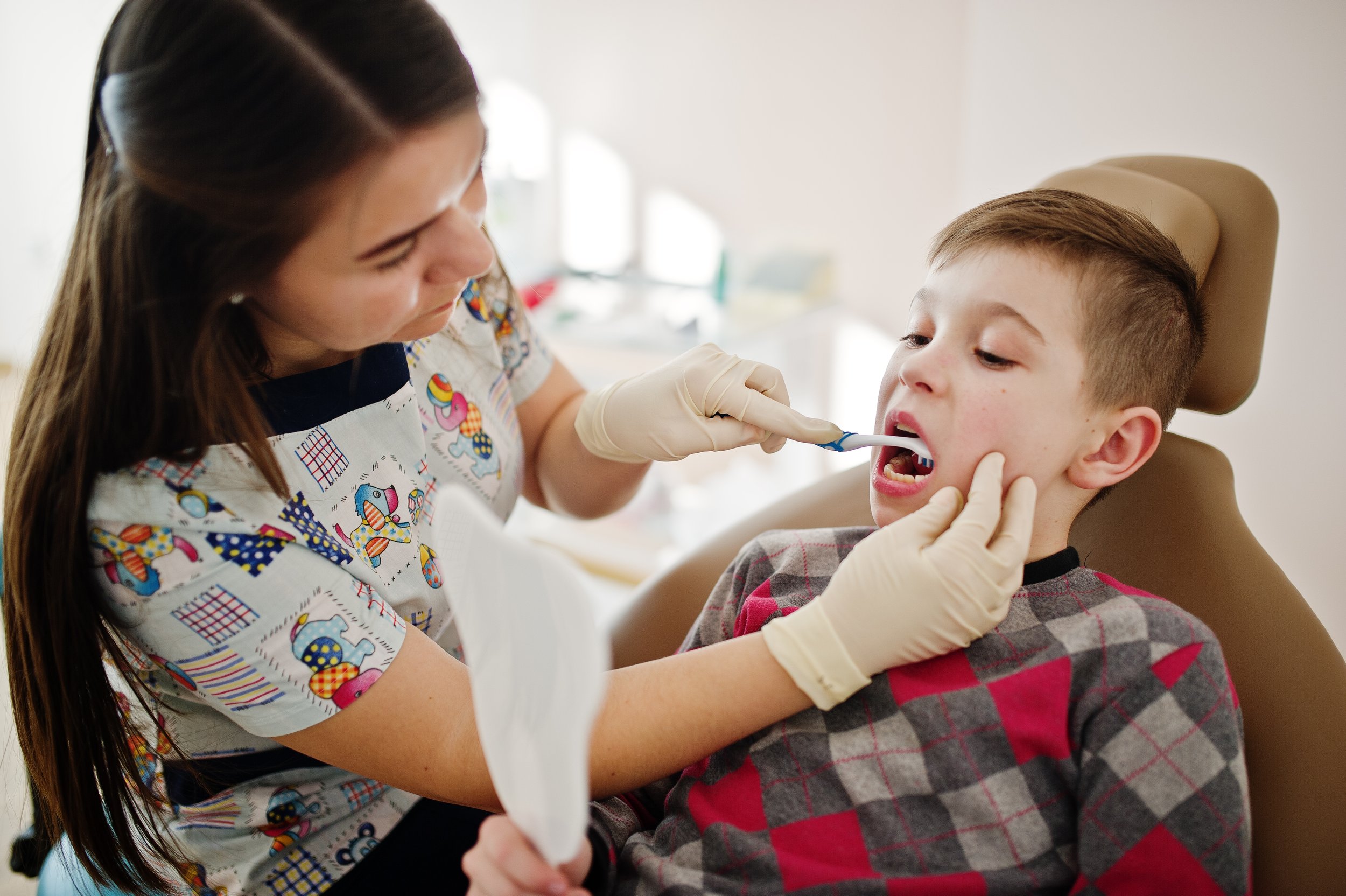
What Should Parents Do When a Child Chips or Breaks a Tooth?

Imagine your child is happily playing, and the next thing you know, there is a terrible sound and your child is wailing. Upon inspection, you find a bit of white object on the floor or you see that your child has a sharp object stuck between their teeth. You are shocked and confused, and you do not know how to react.

Accidents can happen in a matter of moments, especially if your child is very active. Children can be involved in several accidents, including falling off a bike, slipping in the pool, and biting a candy. For parents, the entire situation of dealing with a broken tooth can be very stressful. Parents are expected to stay calm and act quickly to protect their children’s teeth.

First Steps to Take Right After the Accident

When experiencing dental emergencies, it is very important to take immediate steps to not only relieve pain but also to keep the situation from further damaging the child's mouth. Here is what you must do:

  • Try to Remain Calm: Children observe their parents’ behavior and feel their fear. Try to be calm and relaxed, and this will help them feel better.

  • Examine the Condition of the Mouth: Have a look into your child’s mouth to see whether the tooth is chipped or cracked and whether there is bleeding from the lips or tongue.

  • Use Water to Wash the Mouth: Ask your child to wash their mouth to get rid of any bacteria or blood present because of the injury.

  • Save the Fragment of the Tooth: If you happen to find the fragment of the tooth, pick it up by its crown, rinse it using warm water, and store it in either milk or saline.

  • Minimize Pain and Swelling: Apply ice or a cold cloth to the outer cheek of the area that has been affected.

Knowing When to Go to the Emergency Dental Specialist

When certain kinds of dental trauma occur, one should not think that it is necessary to go to an emergency room. Nevertheless, it is necessary to consult a specialist if some signs are observed in children. For example, if the bleeding does not stop no matter how much pressure has been applied for 10 minutes.

If you observe a red or pink dot on the broken tooth, it means that the nerve is exposed and therefore you must get immediate medical help since this may cause a great deal of pain or infection. Moreover, you should see a doctor as soon as possible if you note that the tooth is loose, misaligned or if you have any symptoms of a concussion such as nausea, failing to coordinate movements or confusion. Keep in mind that, according to the CDC, concussion symptoms don’t always appear right away and can take hours or even days to show up, so keep watching your child after the accident. 

Ways to Treat a Child's Broken Tooth 

A dentist can fix a child's tooth in several ways. For minor chips, smoothing out the tooth or using tooth-colored bonding can help restore the tooth. However, in cases of larger fractures, the child may need a porcelain crown to protect the rest of the remaining tooth.

Knowing the appropriate chipped tooth treatment for children means that your child gets the right treatment to ensure their baby teeth are in good condition and ready for the adult teeth as they come in. To ensure the proper treatment, visiting a practice for pediatric dentistry McKinney will make it easier for children to be at ease during the whole restorative process.

Simple Ways to Protect Your Child’s Smile

While it is doubtful that it will completely prevent each accident or fall, preventive measures can help with the safeguarding of the teeth of your child. A great way of ensuring that the child’s mouth stays unharmed is to make sure the child wears a custom mouthguard while playing or practicing.

It is a good idea to teach your child to avoid using their teeth to open packaging or break open tough nuts, and for more tips on making sure your kids are safe during play, you can read our guide to preventing pediatric dental emergencies.

Making Sure Your Little One's Smile Will Shine Throughout Life.

Dental issues might strike without warning. But it can be easier to remain calm at the moment of trouble if you're well-prepared, the important points are clear, and you have the contact information for the best dentist in advance.

By taking the right measures to address possible dental injuries currently, one can prevent serious dental problems later on. If your child injures a tooth or needs a routine checkup, you can count on Valley Creek Dental Care to have your family smiling confidently.

Frequently Asked Questions

What should I do if my child breaks a baby tooth instead of a permanent tooth?

Even though baby teeth eventually fall out, they are still important placeholders for adult teeth which will in due course emerge. Nevertheless, you must take your child to a dentist to check on their chipped baby tooth so that it does not have rough edges hurting their tongue and that the underlying nerve is also fine.

Can a chipped tooth heal on its own?

Tooth enamel is not capable of regenerating or recovering once broken. However, dentists today can fix teeth in a very efficient manner using sophisticated materials and techniques to make the process as painless as possible.

Can a broken piece of a tooth be reattached?

Yes, in most occurrences! If you discover the dislocated part of the tooth, make sure it stays wet in a clean and tidy bowl in a glass of milk, and take it along to the dentist immediately.
7 Everyday Habits That Can Protect Your Teeth and Gums

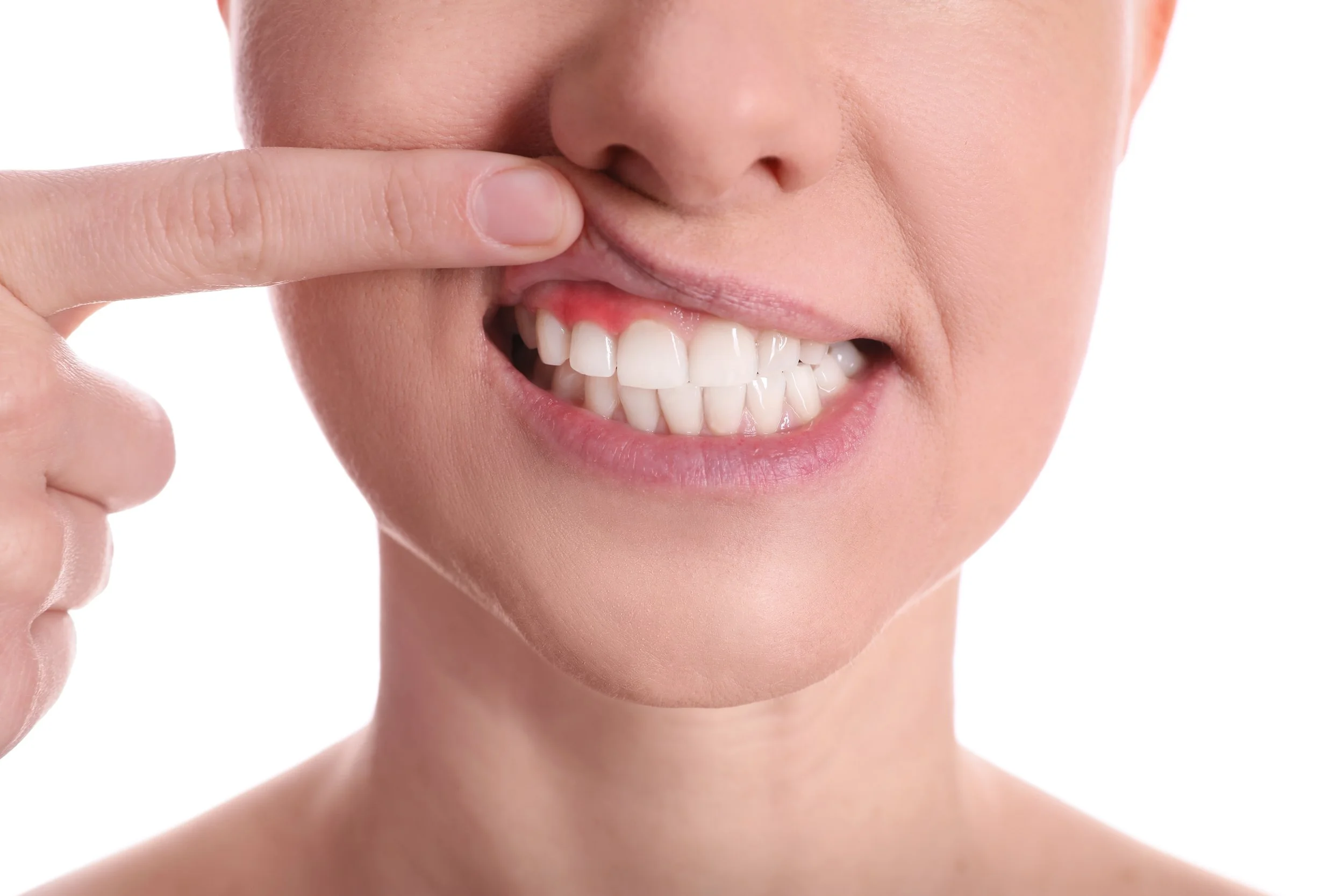
What if the secret to avoiding hypertension, surprise cardiac problems or unexpected foggy thinking was hustling past before falling asleep, completely ignorant that your gums are the first line of defence when it comes to staying healthy? Every second, thousands upon thousands of bacteria are trying to break through your gum line, get into your bloodstream and cause silent inflammation in your mouth. We mainly see brushing our teeth as simply a nuisance.

The mouth isn't just an isolated region; it's a major biological pathway into the body. The presence of plaque in the mouth does harm to more than just the smile. According to the CDC, about 42% of U.S. adults aged 30 and older have periodontitis and roughly 8% have the severe form. Luckily, actions against this situation do not require a lot of money or changes in lifestyle habits. Seven simple steps will help you protect your gums and teeth and stay healthy for a long time.

1. Gently Brush Twice Daily for Two Minutes

Using a stiff-bristled brush to clean your teeth vigorously may appear to be the correct approach, but it may harm your enamel. The first problem with such hard brushing is that it can lead to gum recession and expose sensitive nerve endings in your mouth.

It is best to use a toothbrush with soft bristles held at an angle of 45 degrees during tooth brushing near your gums while using a light circular motion to remove food and plaque without irritation.

2. Make Daily Flossing Non-Negotiable

40% of the dirt lies between your teeth where a toothbrush cannot possibly reach.

Flossing uses thin tape, either waxed or unwaxed, to remove food particles lodged between teeth before they harden into tartar. If string floss seems unwieldy, try using dental picks or a water flosser. Talking to a McKinney dentist can help determine the flossing method that will work best for you.

3. Hydrate with Water Throughout the Day

Water serves as the most efficient cleaning substance for your mouth. Consuming water during the day can eliminate food debris from your mouth and also prevent your mouth from drying out.

Saliva includes vital minerals that replenish tooth enamel and inhibit bad bacteria. Therefore, drinking clean water right after having food will help restore the status of the mouth.

4. Keep Your Intake of Sugars and Acidic Foods Low

The bacteria present in the mouth feed off any sugars and starches that you consume. They produce acid, which causes the enamel of your teeth to erode over time.

Try to stay away from drinks such as sodas, energy drinks, caramels and frequent carbohydrate-based snacks. After eating a sugary product, immediately drink a lot of water. If you want to know the safest options for whitening your teeth, consult a professional teeth whitening guide.

5. Never Use Your Teeth as Tools

It can be very tempting to tear open a tough plastic bag or rip off labels using one's teeth. Nevertheless, acting this way can lead to many issues with the teeth, such as chips, cracks and breaks in the enamel.

In reality, teeth were designed for chewing. Hence, one should resort to using scissors or any other special tool if the need arises.

6. Protect Your Teeth Night and Day

Should you wake up with pain in your jaw or a headache after sleep, it is possible you are a teeth grinder or clencher at night, as teeth grinding can result in tremendous strain on the teeth and may also wear them down over time. 

Getting a custom-made night guard will relieve your teeth of this pressure while you sleep. You may also use a mouthguard in case you play contact sports – it prevents you from ever getting your teeth hit/knocked out of place.

7. Be Consistent with Professional Dental Visits

Even though following a good regimen for home care may help you maintain clean teeth, it does not mean that you will be able to remove tartar already formed on your teeth. The only way to be able to remove any tartar from your teeth is to visit your dental hygienist regularly, at least once a year.

It is also important to mention that regular visits to the dental office allow the specialists to identify possible problems that may arise in your oral cavity, including gum diseases and cavities, before they progress and bring you pain. If you consider getting a good professional teeth whitening guide, it will also contribute to keeping your smile for a longer time.

Taking Action for Your Long-Term Oral Health

It takes time to develop strong habits, but every good decision that you make today will continue to give you results in the future. From doing regular brushing and flossing to drinking a lot of water, little things can lead to something much greater when it comes to health care. Taking care of your teeth and gums does not require complex procedures or expensive options but simply consistency and care. Once you take care of your mouth, you will allow your whole body and organs to enjoy a higher level of comfort, fresher breath and more confidence.

The smile you have is your asset for life and needs proper care and special expert attention for it to look good and strong. Choosing professionals such as Valley Creek care can ensure that your teeth and gums remain in the best condition possible throughout your life. You can effectively manage your oral health, making sure to avoid painful problems in the future and show off your beautiful smile.

FAQ

When should I replace my toothbrush?

Toothbrushes, electric brushes and other types should be replaced every 3-4 months. However, if the bristles are worn before that time or if you have recently suffered from a cold, you should change it right away to prevent germ spread.

Are electric toothbrushes preferable to manual toothbrushes?

Both types perform well when used properly. However, electric toothbrushes generate micro-vibrations that make it easier to remove plaque and they can also be helpful for those having arthritis as well as those who usually apply too much pressure while brushing.

Why are my gums bleeding when I use floss?

When you see blood on the floss, it's typically an early indication of gum inflammation or minor gum disease called gingivitis. Once you start flossing daily and brushing your teeth with care, the bleeding should stop after one or two weeks of oral care.

How a Dentist Helps Patients Overcome Fear and Anxiety During Dental Visits

Does the thought of a dental chair speed up your heart? You are not alone. Millions avoid going to the dentist. They feel nervous. They fear pain. Or past visits went poorly.

Avoiding care causes bigger problems later. Decay gets worse. In fact, according to the CDC, 1 in 5 U.S. adults ages 20 to 64 currently has at least one untreated cavity. Gums become unhealthy. Neglecting your mouth can even affect your body's general wellness.

The good news is that modern care focuses on your comfort. Dental practices use gentle tools. They use clear words and build quiet spaces. This helps you feel safe. Understanding how a gentle team helps can give you confidence.

Why Dental Anxiety Happens

Fear of dental care comes from several things:

  • Past Pain: A bad childhood visit brings long-term fear.

  • Uncertainty: Not knowing what happens next brings deep worry.

  • Loss of Control: Reclining in a chair feels trapping.

  • Sensory Triggers: Loud noises and smells trigger stress.

Finding your triggers lets you pick simple tips that ease your dental fear. When you spot your main worries, you can easily share them with your care team before treatment.

How Your Dental Team Creates a Stress-Free Visit

Dentists know that fear is real. They have changed how they treat people. Their goal is to make every appointment easy, smooth and relaxing.

1. Open and Friendly Communication

Talking helps reduce stress. A good team listens to your concerns first. They talk before starting any work. 

They explain each step using simple terms. There are no sudden steps. They give you time to ask questions.

Do you need a gentle dentist in McKinney, TX? Pick a team that listens to you. Kind words help you feel relaxed.

2. Simple Signals to Stay in Control

You need control during your visit. Your dental team will pick a simple signal with you. Raising your hand works well.

If you feel nervous, raise your hand. If you need water, raise your hand. The team stops right away. Knowing you can stop treatment brings quick comfort. You are always in charge of the pace.

3. Modern and Gentle Tools

Dental tools have improved a lot. Modern gear is quiet. It is very fast.

Digital scanners replace sticky impression trays. Soft lasers can treat gums without pain. New instruments allow for soft, gentle care. Modern tools shorten your time in the chair and speed up your healing.

4. Comfort Amenities for Your Peace of Mind

Many new dental offices feel like cozy spas rather than cold doctor rooms. They give you warm blankets and soft neck pillows. Dark sunglasses protect your eyes from bright lights. Nice scents hide clinical smells. All these small choices help your body feel calm and safe.

5. Safe Sedation for Easy Visits

Some people feel high levels of stress. Dental offices offer safe sedation options for them.

  • Laughing Gas: You breathe a soft gas. It keeps you calm while awake. It wears off quickly after treatment.

  • Oral Pills: You take a small pill. It helps you relax deeply during longer visits.

Sedation lets you get care without feeling overwhelmed.

Simple Habits You Can Try Yourself

Your dental team works hard to help you relax. You can also use small habits to stay calm. Here are useful overcoming dental anxiety tips to try at your next checkup:

  • Practice Deep Breathing: Slow breathing calms your brain. Breathe in for four seconds. Hold it briefly. Breathe out for four seconds. Repeat this often.

  • Listen to Music: Wear headphones. Play your favorite songs, a funny podcast or a great audiobook. This keeps your mind busy.

  • Pick the Right Time: Book your visit early in the morning. Your day will be quiet. You will not feel rushed or spend all day worrying.

  • Bring a Friend: Ask a loved one to join you. Having a friend in the waiting room keeps you steady and supported.

Small steps make care easy. Choosing a team that shares the benefits of family dentistry services for maintaining strong teeth and gums helps your whole household stay healthy.

The Benefits of Overcoming Dental Fear

When you manage stress, regular checkups get easier. Routine visits spot tiny problems early. Small cavities are fixed quickly. Mild gum issues disappear fast. This stops big pain before it starts and saves you money over time.

Visiting the dentist regularly changes how your brain feels. Scary moments turn into simple health habits. You build trust with your team over time. Best of all, you gain a healthy smile that lasts a lifetime.

Making Dental Visits Feel More Manageable

Dental anxiety can make even routine appointments feel overwhelming, but it should not stop you from getting the care your oral health needs. A dentist who listens to your concerns, explains what to expect, and respects your comfort level can make each visit feel more manageable and less stressful.

With patient communication, a calm approach, and care tailored to your needs, you can gradually build trust and feel more in control during dental appointments. At Valley Creek Dental Care, the focus is on providing personalised care in a supportive environment where your concerns are heard and your comfort matters. If dental anxiety has been keeping you from getting the care you need, schedule an appointment and take the first step toward a healthier, more confident smile.

How Mouth Reconstruction Supports Healthy Function and Natural Smiles

When several teeth are damaged or missing, the impact is rarely limited to your smile. Your bite can change, chewing may become uncomfortable, speech can feel different, and everyday habits you once took for granted may require more effort. Over time, these problems can affect how your entire mouth functions.

Mouth reconstruction takes a broader approach by addressing multiple dental concerns as part of one treatment plan. Rather than simply replacing what is missing or repairing what is damaged, the goal is to restore the way your teeth, bite, and supporting structures work together.

The result is not just a more complete smile. It is a mouth designed to function more comfortably, support everyday activities, and give you greater confidence in how your smile looks and feels.

Restoring Proper Chewing and Speech

Every tooth in your mouth has a special job to do. Your front teeth cut up your food. Your back teeth grind it down into tiny, safe pieces. When several teeth are broken or missing, your remaining teeth must work twice as hard. This unfair workload makes chewing very hard. It can even force you to stop eating healthy, solid foods that you love.

Rebuilding your dental setup makes sure bite pressure spreads out evenly across your jaw. With a balanced set of strong teeth, you can enjoy many foods without any pain.

Missing or shifted teeth can also change how air moves through your mouth when you talk. This issue can cause minor slurs or quiet whistling sounds. By fixing tooth position and height, treatment helps you speak clearly and naturally again.

Stopping the Cycle of Tooth Damage

When a few teeth break, nearby teeth face extra stress. They often slide out of place. This shift creates odd gaps where food particles and bad bacteria hide. These hidden spots raise your risk for tooth decay and painful gum problems.

By opting for a personalized full mouth reconstruction, your dentist fixes several problems all at once. They do not just place quick patches on issues as they pop up. Instead, a complete repair plan solves the true root causes. It builds a clean, stable space that protects your natural teeth from future wear, cracks and bad alignment issues.

If you want to know how doctors plan these multi-step repairs, you can read about what to expect during your full mouth treatment journey and recovery time. This guide helps you prepare for each step along the way.

Relieving Jaw Tension and Chronic Discomfort

Your teeth and jaw joints team up as a single system. When missing or worn teeth throw off your bite, your jaw muscles adjust. Over time, this ongoing strain can bring about many painful problems, such as:

  • Sore jaw muscles and clicking joint noises

  • Frequent tension headaches or deep neck pain

  • Unconscious teeth grinding while you sleep at night

  • Flat, chipped or weak tooth enamel

Fixing your bite alignment takes heavy pressure off your jaw joint and side muscles. Many patients feel much less face pain and fewer headaches once their teeth fit together nicely again.

The Key Benefits of Mouth Reconstruction

Investing in complete smile repair provides great perks that go way beyond simple look fixes. Here are the main benefits of mouth reconstruction:

  • Better Digestive Health: Food that is chewed well digests much easier. This helps your body absorb vital vitamins without upset stomachs.

  • Strong Structural Support: Restoring lost tooth height helps support your cheeks and lips. This preserves your natural face shape over time.

  • Higher Self-Confidence: A full, healthy set of teeth lets you laugh, talk and smile near others without hiding your mouth.

  • Custom Treatment Plans: Every repair strategy is built for your unique needs. Doctors mix crowns, bridges or implants for a precise fit.

Learning these key benefits of mouth reconstruction shows why fixing core problems early saves you time, pain and money later on.

Protecting Your Gums and Facial Structure

Teeth do a lot more than just sit in your mouth. Their roots stimulate your jawbone every single time you bite down. When a tooth is gone, the jawbone under that gap slowly shrinks away. This bone loss can cause nearby teeth to loosen up and change the shape of your lower face.

Complete dental restoration often uses solid tooth replacements that act just like natural roots. This keeps your jawbone strong and healthy. It also gives your gums the firm support they need. Since research shows that 2 in 5 adults over age 30 suffer from gum disease, protecting these tissues is vital. Healthy gums act like a shield against bad infections, forming the base for a strong smile.

A Dental Practice Built Around Your Long-Term Smile

Your dental care should not stop at treating the problem that brought you into the office. Maintaining a healthy smile means having access to the right care at every stage, from routine preventive visits to restorative, cosmetic, and emergency treatment. A comprehensive approach can make it easier to protect your oral health while addressing concerns as they arise. 

At Valley Creek Dental Care, you can receive comprehensive dental care with a focus on comfort, personalized treatment, and long-term oral health. From preventive and family dentistry to cosmetic and restorative treatments, the team can help you find the right approach for your individual needs. Schedule a visit with Valley Creek Dental Care and take the next step toward a healthier, more confident smile.

How Family Dentistry Supports Better Oral Hygiene and Long-Term Smile Health

Taking care of the oral hygiene of an entire family is not an easy task. The children might need assistance in brushing their teeth, while teens might have developed some new issues in their oral health. Adult members need preventive and corrective measures. All of this would get much easier if the family could follow a proper schedule when it comes to their dental appointments. 

Knowing the benefits of family dentistry can be very helpful to you and will definitely help you and your family realize the importance of seeking professional assistance in taking care of your teeth. Examining, cleaning, giving tips and early diagnosis are among the many that make up proper teeth care.

How does Family Dentistry Help Improve Oral Hygiene?

Identification of Issues

Sometimes there are some dental issues that may occur without causing any visible signs at all. Regular examinations allow dentists to look for cavities, gum problems, enamel wear, cracked teeth, and other concerns. The Centers for Disease Control and Prevention reports that 1 out of 5 adults between the ages of 20 and 64 years old has at least one decayed tooth that has not been treated, while 1 out of 10 teenagers between the ages of 12 and 19 years old has one too. 

Steps towards Better Oral Health Habits 

Professionally recommended practices can be more helpful in improving daily oral hygiene practices. Dentists can educate children about the correct brushing method, and parents can be told how to help their young children in case such assistance is required. Families can be provided guidance regarding flossing, using fluoridated toothpaste, and oral cleaning around the dental restoration. 

Provides Dental Recommendations Tailored to Your Age

Not all family members will have identical dental requirements. Children will have particular needs relating to their primary and permanent teeth, fluoride, and bite development. Teens may require recommendations in relation to orthodontics and maintaining good hygiene practices when wearing braces and other devices. Older people may require additional attention on matters like gingivitis, enamel erosion, among others that come with old age. Valley Creek family dentistry is able to give special recommendations in regard to each individual patient's age and oral hygiene.

Encourages Good Oral Hygiene Habits at Home

The time in between appointments is just as critical as well. There are several ways that the parents can assist in promoting good oral hygiene practices through brushing teeth twice a day, flossing, cutting down on sugar intake, and drinking water instead of any other beverage. The parents can further motivate the children by making oral hygiene part of family activities.

Oral Health is Maintained throughout Various Stages of Life

Since there are different requirements for oral health care in children, adults and even in old people, a regular dental appointment helps in detecting the changing requirements and making modifications accordingly. A child might need assistance with their permanent teeth while an adult may need preventive or restorative treatment. Maintaining a relationship with a dental practice makes it easier to address these changing needs over time.

What Family Dental Visits Can Include

The exact care provided during a dental visit depends on a person's age, oral health, and treatment needs. Family dentistry services can include:

  • Regular Dental Examinations

  • Dental Cleanings

  • Detection and Filling of Cavities

  • Evaluation of Gum Health

  • Fluoride Application When Necessary

  • Monitoring Tooth and Biting Development in Children

  • Individual Oral Hygiene Tips

Such regular check-ups enable the dentist to modify dental care according to the state of your oral cavity. Such an approach enables families to have proper dental care without treating all patients alike. 

Simple Habits Families Can Follow Every Day

Professional dental care works best when supported by simple habits at home. Families can make oral hygiene easier by building these practices into their daily routines:

  • Brush twice daily with fluoride toothpaste.

  • Floss regularly. 

  • Avoid having sugary snacks and drinks often.

  • Promote drinking water to children.

  • When the brush becomes old, replace it. 

  • Don’t use your teeth when opening containers.

  • Go for regular dental check-ups. 

Small habits can have a meaningful effect when practiced consistently. Combining these routines with professional dental care helps families protect their teeth and gums over time.

Make Long-Term Oral Health a Family Priority

The benefits of family dentistry extend beyond the convenience it provides. Dental appointments regularly ensure that you remain organized with your checkups while still receiving customized dental advice for everyone. Regularly keeping an eye on each member of the family also enables easy identification of any changes and dealing with the issues before it gets too late. 

Selecting a dental team that is aware of the different needs of each age range can make dental care easier for the whole family. Valley Creek Dental Care team offers individualized dental care that will assist you during various life stages. Make an appointment to discuss your family’s dental health needs and learn about how individualized care can help keep you and your loved ones smiling and healthy.